

Amyotrophic Lateral Sclerosis (ALS): What Happens to the Body — and What Doesn’t

Imagine a 58-year-old man noticing weakness in his right hand. Grip strength. Reduced. Difficulty holding pen. Writing illegible. Tripping occasionally. Right foot. Weakness. Gait slightly awkward. He attributes aging. Dismisses concerns. Weeks pass. Weakness progresses. Left hand. Affected. Strength. Bilateral hand. Rapidly declining. He seeks physician evaluation. Neurologic examination. Hand grip strength. Markedly reduced bilaterally. Fasciculations. Visible muscle twitching. Arms. Noted. Hyperreflexia. Brisk reflexes. Upper extremities. Extensor plantar response. Babinski sign. Present bilaterally. Upper motor neuron signs. Demonstrated. Lower motor neuron signs. Fasciculations. Denervation atrophy. Evident. EMG electromyography. Performed. Denervation potentials. Positive sharp waves. Fibrillations. Recorded. Motor units. Reduced recruitment. Large amplitude. Chronic reinnervation. Pattern. Motor neuron disease. Suspected. MRI cervical spine. Spinal cord. Normal. No compression. Imaging. ALS. Suspected. Genetic testing. SOD1. C9orf72. FUS. TDP-43. Genes. Tested negative. Sporadic ALS. Likely. Diagnosis ALS probable. Clinically. Familial genetic. Testing negative. No known mutation. Counseling. Prognosis. Discussed. Progressive. Fatal. Average survival. Approximately 2 to 5 years. Diagnosis treatment planning. Initiated. Riluzole. Disease-modifying medication. Glutamate antagonist. Prescribed. Survival prolongation. Approximately 2 to 3 months. Modest. But benefit. Edaravone. Free radical scavenger. Recent approval. Possible addition. Cognitive assessment. Mini-Cog performed. Normal. Cognition preserved. Personality. Normal. Depression screening. Elevated. Psychiatric referral. Antidepressants. Started. Speech pathology. Evaluation swallowing function. Normal early disease. Swallowing studies. Videofluoroscopy. Performed. Aspiration risk. Assessed. Nutrition. Assessment. Caloric needs. High. Metabolism elevated. Counseling. Advance care planning. Advance directives. Discussed. DNR status. End-of-life. Preferences. Addressed proactively. Assistive devices. Mobility aids. Prescribed. Wheelchair. Future. Anticipated. Home modifications. Planned. Ramps. Accessibility. Enhanced. Physical therapy. Stretching. Range of motion. Contracture prevention. Occupational therapy. Activities daily living. Adaptive equipment. Prescribed. Speech therapy progressive. Speech intelligibility. Monitoring. Alternative communication. AAC devices. Anticipated. Respiratory status. Monitoring. FVC forced vital capacity. Measured periodically. Respiratory decline. Tracked. Noninvasive ventilation. BiPAP. Future consideration. Respiratory failure. Anticipated. He survives 4 years. Post-diagnosis. Longer than average. Quality of life. Maintained. Adapted. Technology. Communication. Supported. Loved ones. Presence. Psychological support. Multidisciplinary team. Care. Coordinated. Death eventual. Expected. Complications respiratory. Understanding ALS enables recognition of this devastating progressive neurological disease and appropriate early intervention with disease-modifying medications and comprehensive supportive care extending survival and quality of life. Amyotrophic lateral sclerosis is a rapidly progressive neurodegenerative disease characterized by selective degeneration of motor neurons resulting in progressive muscle weakness and paralysis while preserving cognitive and sensory function. ALS accounts for approximately 0.5 to 2 percent of all neurodegenerative disease. Approximately 16,000 to 20,000 people living with ALS. United States. Approximately 5,000 to 7,000 new cases annually worldwide. Peak incidence. Age 55 to 75 years. Adult-onset. Rare before age 40. Juvenile-onset. Approximately 5 percent cases. Familial ALS approximately 10 percent. Genetic mutations identified. SOD1. C9orf72. FUS. TDP-43. Others. Sporadic ALS approximately 90 percent. Genetic etiology. Unknown. Environmental factors. Possible. What makes ALS important to understand is recognizing that while it is a devastating progressive disease, early diagnosis with disease-modifying medications can slow disease progression providing modest but meaningful survival extension and improved quality of life. Understanding preserved cognition and sensation differentiates ALS from other neurodegenerative diseases and enables appropriate psychological support and communication preservation. Understanding ALS enables recognition and appropriate early treatment. In this comprehensive article, we will explore what ALS is, understand motor neuron anatomy and selective degeneration mechanisms, recognize progressive motor symptom presentations, explore diagnostic challenges and biomarkers, and discover treatment strategies with disease-modifying medications and supportive care.
Understanding Motor Neurons and ALS Pathophysiology
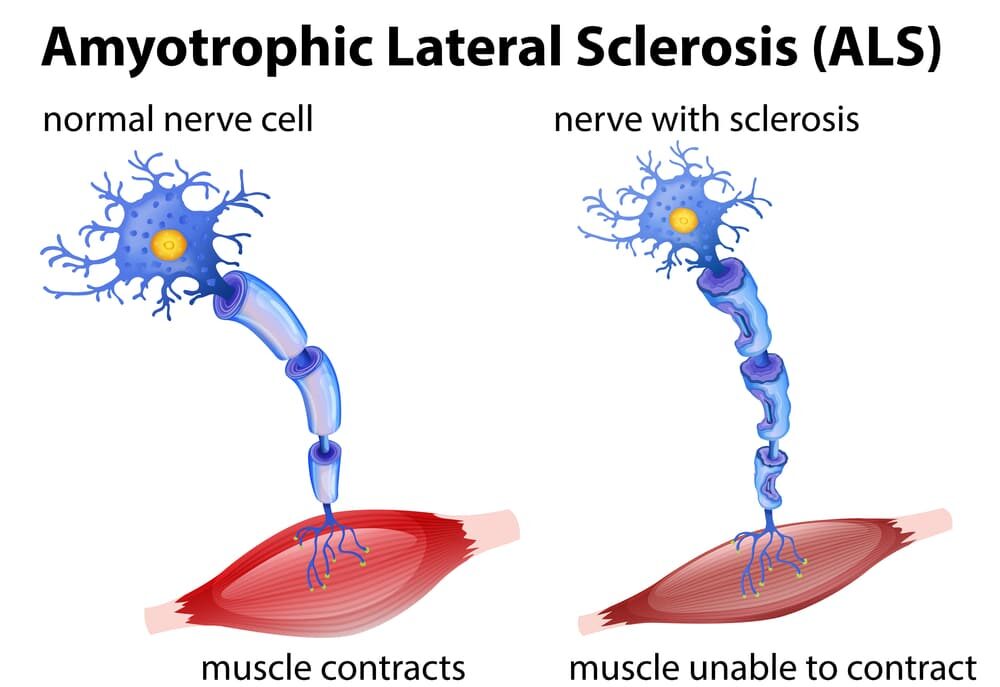
Before we explore ALS, we need to understand motor neurons and how selective degeneration occurs in ALS. Motor neuron anatomy. Two motor neuron populations. Upper motor neurons. UMN. Pyramidal tract neurons. Motor cortex. Primary. Supplementary. Origin. Long axons. Spinal cord. Extend. Synapse lower motor neurons. Lateral corticospinal tract. Primarily. Other descending tracts. Brainstem. Involvement. Upper motor neurons. Crossed decussation pyramids medulla. Approximately 90 percent. Contralateral. Ipsilateral approximately 10 percent. Lower motor neurons. LMN. Anterior horn cells. Spinal cord. Motor nuclei brainstem. Cranial nerves. Innervate directly muscles. Skeletal. Final common pathway. LMNs. Called. Axons. Extend peripheral nerves. Neuromuscular junctions. Muscle. NMJ. Acetylcholine. Neurotransmitter. Release. Muscle contraction. Mediated. Motor control hierarchy. Cortex upper motor neurons. Signals descending. Spinal cord lower motor neurons relay. Muscles contract. Coordinated movement. Result. Upper motor neuron lesions. Spasticity. Hyperreflexia. Babinski sign extensor plantar response. Features. Lower motor neuron lesions. Flaccidity. Weakness. Atrophy. Fasciculations. Denervation potentials. Features. ALS pathophysiology. Selective motor neuron degeneration. Both upper and lower. Both affected typically. Upper motor neurons. Degenerate cortex spinal cord. Lower motor neurons. Degenerate motor nuclei brainstem anterior horn cells spinal cord. Reason selective degeneration. Motor neurons unclear. Genetic factors. SOD1 gene. Superoxide dismutase 1. Enzyme. Free radical scavenging. Mutations. Misfolding. Aggregation. Accumulation. Motor neurons. Toxicity. Proposed mechanism. C9orf72 gene. Chromosome 9 open reading frame 72. Hexanucleotide repeat expansion. GGGGCC. Repeat. Normal approximately 2 to 30 repeats. ALS pathologic. Several hundred. Thousands repeats. Repeat-associated non-ATG translation. RAN. Proteins toxic. Possibly. Nucleocytoplasmic transport. Impairment. Possible. FUS gene. Fused in sarcoma protein. RNA-binding. Protein. Mutations. Cytoplasmic aggregation. Nuclear function. Loss. TDP-43 gene. TAR DNA-binding protein 43. RNA-binding. Protein. TDP-43 aggregation. Cytoplasm. Nuclear depletion. Characteristic. Most ALS cases. Sporadic. TDP-43 pathology. Present. Glutamate excitotoxicity. Glutamate neurotransmitter. Excess perisynaptic. Calcium influx NMDA. AMPA receptors. Overactivation. Calcium. Mitochondrial dysfunction. Oxidative stress. Neuronal death. Excitotoxicity proposed. Major mechanism. ALS. Mitochondrial dysfunction. Motor neurons. High energy demand. ATP production. Critical. Mitochondria. Energy generation. Defective mitochondria. Dysfunction. Motor neurons. Vulnerable. Energy depletion. Cell death. Possible. Oxidative stress. Free radical excess. Mitochondrial. Dysfunction. Associated. Antioxidant defense. Depletion. Cellular damage accumulation. Neuroinflammation. Microglia. Astrocytes. Activation. Cytokines. Proinflammatory. Release. Motor neuron death. Enhanced. Neuroimmune dysregulation. Proposed. Contributing. Protein misfolding. Aggregation. Motor neurons. Characteristic. Ubiquitin-positive inclusions. Proteasomal degradation. Impairment. Misfolded protein accumulation. Cell stress. Unfolded protein response activation. Apoptosis neuronal. Triggered. Astrocyte dysfunction. Non-cell autonomous. Mechanism. ALS. Astrocytes. Motor neuron support. Neurotrophic factors. Supply. Removal glutamate. Detoxification. Astrocyte dysfunction. Motor neuron degeneration. Contributes. Why selective motor neurons. Degeneration. Vulnerability. Motor neurons. Particular. Unclear. Motor neurons. Skeletal muscle. Highest energy demand. Large cell bodies. Extensive axons. Vulnerability. Possible. Motor neuron-intrinsic. Factors. Possible. Non-motor neuron cell types. Motor neuron death. Contributes. Possible. Cognitive preservation. ALS. Remarkable. Motor neurons selectively. Degenerate. Cortex. Motor regions. Affected. Non-motor cortex. Preserved. Cognition. Executive function. Memory. Preserved typically. Language. Preserved typically. Sensory systems. Intact. Sensory neurons. Preserved. Why selective motor. Neuron degeneration. Cognitive preservation. Unclear. Motor neuron-specific. Vulnerability factors. Possible. The pathophysiology explains how genetic alterations and molecular dysfunction selectively degenerate motor neurons while preserving cognition and sensation.
What is ALS?
Amyotrophic lateral sclerosis is a rapidly progressive neurodegenerative disease characterized by selective degeneration of motor neurons resulting in progressive muscle weakness and paralysis with eventual death from respiratory failure while cognition sensation typically preserved. Definition. Motor neuron disease progressive. Upper motor neurons lower motor neurons. Both affected. Motor cortex spinal cord. Anterior horn cells. Motor nuclei brainstem. Degeneration. Progressive. Inexorable. Muscle weakness. Atrophy. Paralysis. Result. Breathing muscles. Diaphragm. Intercostal. Eventually affected. Respiratory failure. Death. Inevitable. Cognitive preservation. Remarkable feature. Intellect. Awareness. Consciousness. Typically preserved. Locked-in syndrome. Advanced disease. Possible. Patient aware. Unable communicate move. Sensory preservation. Sensation. Touch pain temperature. Intact. Sensory abnormalities. Uncommon. Clinical variants. Bulbar-onset ALS. Speech swallowing muscles. Affected first. Approximately 25 percent cases. Dysarthria. Dysphagia. Initial. Speech slurred. Swallowing impaired. Cognitive decline. Possible. Frontotemporal dementia FTD. Associated approximately 5 to 15 percent. Spinal-onset ALS. Lower extremities limb weakness. Affected first. Approximately 70 percent cases. Foot weakness. Gait difficulty. Progressive. Upper extremities. Gradually affected. Primary lateral sclerosis. PLS. Upper motor neuron. Predominant. Lower motor neuron. Minimal. Slower progression. Better prognosis. Survival. Years longer. Progressive muscular atrophy. PMA. Lower motor neuron. Predominant. Upper motor neuron. Minimal. Flaccidity weakness. Atrophy. Prominent. Disease course variable. Typically progressive. Years approximately 2 to 5 average. Survival. Some patients longer. Years. Others shorter. Months. Rapid progression. Adverse prognosis. Slow progression. Better prognosis. Prognosis. Multifactorial. Genetic mutations. Disease subtype clinical. Age onset. Disease progression rate. Favorable prognostic factors. Younger age onset. Slower initial progression. Longer disease. Duration expected. Genetic ALS. SOD1 mutations. Prognosis. Varies. C9orf72 expansion. Aggressive. Often. FUS mutations. Variable. Sporadic ALS. Variable. Unpredictable. Familial ALS. Approximately 10 percent. Genetic mutations. Single gene. Inheritance. Autosomal dominant typically. Sporadic ALS approximately 90 percent. No family history. Genetic etiology. Unknown. Environmental exposures. Proposed. Smoking pesticide. Trauma. Military service. Gulf War veterans. Increased incidence. Mechanisms. Unknown. The clinical features reflect selective motor neuron degeneration with cognitive sensation preservation differentiating ALS from other dementias and neurological diseases.
Recognizing ALS: Clinical Presentations and Diagnostic Challenges
ALS has variable presentations recognizable by progressive motor weakness with preserved cognition often initially misdiagnosed as other neurological conditions. Spinal-onset distal weakness presentation. Middle-aged older adult. Age 50 to 75 years. Weakness right foot developing. Walking difficulty. Tripping. Stumbling. Gait awkward. Foot drop. Toes. Dragging. Weakness progressive. Weeks months. Left foot. Affected. Bilateral gait difficulty. Pronounced. Falls. Increased frequency. Mobility. Impaired. Assistive device. Cane. Walker. Required. Hands. Weakness. Develops gradually. Grip strength. Reduced. Difficulty writing. Buttons. Zippers. Fine motor. Impaired. Fasciculations. Visible muscle twitching. Arms legs. Seen. Felt. Concerned family. Noticed. Cramping. Muscle. Feet hands. Associated possible. Pain. Muscle tension. Associated possible. Weakness progression. Gradual typically. Months. Rate. Variable. Rapid. Slower. Neurologic examination. Hand grip strength. Reduced. Fasciculations. Visible. Atrophy. Muscles. Visible. Particularly intrinsic hand. Foot muscles. Hyperreflexia. Reflexes. Brisk. Upper extremities. Lower extremities. Babinski sign. Extensor plantar response. Present. Upper motor neuron signs. Demonstrated. Combined upper lower. Motor neuron signs. EMG. Electromyography. Performed. Denervation potentials. Positive sharp waves. Fibrillations. Recorded multiple. Muscles. Chronic reinnervation. Pattern large amplitude motor units. Recruitment pattern. Reduced. Motor neuron disease. Highly suspected. MRI cervical spine. Spinal cord. Normal. No compression. No myelopathy imaging. Alternative diagnosis. Ruled. Nerve conduction studies. Motor. Normal typically early. ALS. Motor conduction slowing. Minimal. Conduction blocks. Absent. ALS diagnosis. Supported. Bulbar-onset presentation. Middle-aged older adult. Age 55 to 75 years. Speech difficulty developing. Dysarthria. Speech slurred. Clarity reduced. Comprehension. Normal. Listeners. Difficulty understanding. Speaking effort. Increased. Fatigue. Speech. Progressive worsening. Weeks months. Swallowing difficulty dysphagia. Develops. Choking risk food. Liquids. Increased. Coughing swallowing. Associated. Aspiration. Risk. Elevated. Nutrition maintenance. Difficult. Weight loss. Progressive. Jaw weakness. Jaw clenching difficulty. Chewing. Impaired. Facial weakness. Possible. Lip pursing. Difficulty. Eye closure. Difficulty possible. Cognition. Examination. Normal. Awareness. Intact. Depression. Possible. Personality change. Associated FTD. Possible approximately 10 to 15 percent. Neurologic examination. Speech dysarthria. Severe possible. Tongue atrophy. Visible. Fasciculations. Tongue. Evident. Jaw weakness. Demonstrated. Gag reflex. Diminished. Brisk reflexes. Hyperreflexia. Present. Babinski sign. Present. Lower facial weakness. Demonstrated. Preserved cognitive function. Remarkable. Intellectual impairment. Absent. Emotional lability. Possible. Inappropriate laughing crying. Possible. Emotional expression. Disproportionate emotional. Stimulus. Pseudobulbar affect. Possible. EMG. Tongue muscles. Denervation potentials. Demonstrated. Reduced recruitment. Motor units. Recorded. Respiratory-onset presentation (rare). Middle-aged older adult. Dyspnea. Exertional. Developing insidiously. Fatigue. Progressive. Orthopnea. Sleeping. Supine position. Breathing difficulty. Possible. Morning headaches. Sleep-related. Hypoventilation. Possible CO2 retention. Neurologic examination. Limb weakness. Minimal early disease. Respiratory muscle weakness. Detected. Diaphragmatic. Orthopnea reproduced. Supine position. FVC. Forced vital capacity. Measured. Reduced. Progress slope. Diaphragmatic weakness. Pulmonary function. Tests. Decline rate. Rapid. Respiratory failure. Risk early. Diagnostic challenge presentation. ALS diagnosis. Early disease. Challenging. Progressive motor weakness. Differential diagnoses. Multiple. Cervical myelopathy. Compressive. MRI. Spinal cord compression. Demonstrated. Excluded. Polyneuropathy. Peripheral nerves. Affected. Nerve conduction studies. Motor. Conduction. Severely slowed. Blocks conduction. Present. ALS absence typical early. Myopathy. Muscle disease. CPK creatine phosphokinase. Elevated. Markedly. Muscle biopsy. Inflammatory infiltrate. Dystrophic changes. Demonstrated. ALS absence. EMG patterns. Denervation. Myopathy. Different. Benign fasciculation syndrome. BFS. Fasciculations. Present. Weakness absent. ALS. Fasciculations. Weakness. Accompanies. Observation time. BFS. Nonprogressive. ALS. Progressive. Psychiatric disease. Depression. Anxiety. ALS masquerade. Possible initially. Motor signs. Subtle. Overlooked. Weakness. Attributed psychological. Depression. Psychological support. Inadequate improvement. Neurological assessment. Thorough. Examination. Motor examination detailed. Critical. The diverse presentations require high clinical suspicion and appropriate electrodiagnostic testing for recognition.
Diagnosis: Electrodiagnostic Findings and Diagnostic Criteria
Diagnosing ALS requires characteristic electrodiagnostic findings demonstrating motor neuron degeneration combined with clinical presentation and exclusion of alternative diagnoses. EMG electromyography findings. Spontaneous electrical activity. Resting muscle. Normal absent. ALS present. Positive sharp waves. Spontaneous discharges. Fibrillation potentials. High frequency. Spontaneous activity. Recorded. Denervation evidence. Muscle fiber. Denervated. Motor neuron loss. Indicated. Motor unit action potentials. MUAP. Morphology abnormal. Duration prolonged. Amplitude increased. Polyphasic. Chronic motor neuron loss. Reinnervation. Attempted. Surviving motor neurons. Sprout. Axonal terminals. Denervated muscle fibers. Reinnervate. Compensation. Large amplitude. Increased duration. Motor units. Result. Recruitment pattern. MUAP. Appears voluntary movement. Number interference pattern. Reduced. Fewer motor units. Increased amplitude. Characteristic. Motor neuron loss severe. Muscle minimal. Activity remaining motor units. Maximum effort. Full interference pattern. Absent. Reduced interference pattern. Characteristic. ALS diagnosis. Electrodiagnostic findings EMG pattern. Denervation. Neurogenic. Pattern. Mixed denervation. Early reinnervation. Characteristic ALS. Motor conduction studies. Velocity conduction motor. Normal typically early ALS. Slowing minimal. Absent usually. Conduction blocks motor. Absent typically. ALS. Motor conduction. Relatively preserved. Demyelinating neuropathy. Excluded. Sensory conduction studies. Sensory nerve. Conduction studies. Normal typically. ALS. Sensory nerves preserved. Demyelinating neuropathy peripheral. Ruled. Diagnostic criteria. El Escorial diagnostic criteria. Modified. Clinically definite ALS. Upper motor neuron. Signs. Clinical evidence. Lower motor neuron. Signs. Clinical evidence. Two body regions. Or one region. Bulbar. Two regions. Required. Clinically probable ALS. Upper motor neuron. Signs. One region. Lower motor neuron. Signs. One region different. Clinically probable ALS laboratory-supported. One body region. Combination. Upper lower. Motor neuron. Signs. EMG evidence. Denervation. Supported. Possible ALS. Upper motor neuron. Signs. Clinical evidence. One region. Lower motor neuron. Signs. Clinical evidence. Same region. Or upper motor neuron. Signs. Clinical evidence. Two body regions. Suspected ALS. Lower motor neuron. Signs. Clinical evidence. Two body regions. Or one region. Bulbar. Two regions. Revised criteria. Awaji criteria. Additional. EMG abnormalities. Supported. Fasciculation potentials. Neurogenic motor unit potentials. Positive sharp waves. Fibrillations. Motor unit. Reduction recruitment. Evidence motor neuron. Loss. Counted. Upper motor neuron signs. Clinically. Upper motor neuron. Signs. Presence suspected. Supports. Diagnosis. Imaging. MRI brain. T2 hyperintensity. Motor cortex. Increased signal. Possible early. Findings subtle. MRI cervical spine. Myelopathy compressive. Excluded. Space-occupying lesion. Ruled. Differential diagnosis. Structural. Compression. Alternative neurological. Diagnosis. Excluded. Nerve conduction studies. Demyelinating. Features. Absent. Polyneuropathy demyelinating. Excluded. Sensory conduction. Normal. Sensory nerves. Intact. Myopathy assessment. Electromyography. Motor recruitment pattern. Reduced. Myopathy myotonic dystrophy. Different pattern. Typically interference pattern. Myopathy full maintained movement low amplitude motor units. Recruitment pattern normal recruitment. ALS reduced motor units large amplitude. Distinction. CK creatine phosphokinase. ALS elevated mildly. Myopathy. CK markedly elevated. Distinction help possible. Muscle biopsy. Rarely. Needed. Neurogenic atrophy. Pattern. Type 1 type 2. Fiber grouping. Reinnervation. Evidence. Motor neuron disease. Consistent. Genetic testing. Familial ALS. Family history. Genetic testing offered. Genes. SOD1. C9orf72. FUS. TDP-43. Sequencing. Mutation identification. Possible. Sporadic ALS. Genetic testing. Limited clinical utility. Research purposes. Optional. Gene discovery. Ongoing. New genes. Identified. Testing panels expand. Biomarkers. Neurofilament. NFL protein. Axonal. Degeneration. Cerebrospinal fluid. Serum. Elevated. ALS. Disease biomarker. Potential. Elevated levels. Progression. Correlate. Prognostic. Possible. Phosphorylated tau. p-tau phosphorylated. tau181. Serum. Elevated. ALS cases. Some. FUS. TDP-43. Aggregation markers. Biomarkers. Research investigation. Clinical utility. Emerging. Diagnostic algorithm. Middle-aged adult presenting progressive limb weakness. Neurologic examination. Fasciculations. Weakness. Hyperreflexia. Babinski sign. Motor neuron disease. Suspected. EMG. Denervation potentials fibrillations positive sharp waves. Recorded. Reduced recruitment motor units. Recorded. Chronic reinnervation. Pattern. Large amplitude. Recruitment pattern. Reduced. Neurogenic pattern. Demonstrated. MRI cervical spine normal. Myelopathy. Ruled. Nerve conduction studies. Motor normal. Sensory normal. Demyelinating features. Absent. El Escorial criteria. Upper motor neuron. Signs clinically. Lower motor neuron. Signs. EMG evidence. ALS probable laboratory-supported. Diagnosis. Likely. Genetic testing. Familial. FTD. Associated. Mutation screening offered. Prognosis. Discussion. Multidisciplinary team. Planning. Initiated. The diagnosis requires characteristic electrodiagnostic findings demonstrating denervation pattern combined with clinical upper and lower motor neuron signs and exclusion of alternative diagnoses.
Management: Disease-Modifying Medications and Comprehensive Supportive Care
ALS management focuses on disease-modifying medications slowing progression combined with comprehensive multidisciplinary supportive care optimizing quality of life. Disease-modifying medications. Riluzole. Glutamate antagonist. Excitotoxicity reduction. Mechanism. Glutamate excess. Motor neurons. Excitotoxic. Riluzole. Glutamate release. Reduced. Presynaptic. NMDA receptor inactivation. Voltage-dependent. Channel blocking. Postsynaptic. Efficacy. Modest. Survival prolongation. Approximately 2 to 3 months. Slowing disease. Possible approximately 25 percent. Progression. Slowing. Modest. Dosing riluzole 50 milligrams. Twice daily. Side effects. Nausea. Dizziness. Weakness. Possible. Liver function. Monitoring. Aspartate aminotransferase. ALT. Periodic. Liver toxicity. Rare. Riluzole use decades. Safety profile acceptable. Edaravone. Free radical scavenger. Oxidative stress reduction. Mechanism. Mechanism. Oxidative stress. Motor neuron. Damage. Free radicals. Scavenged edaravone. Neuronal protection. Possible. Efficacy. Modest. Disease progression slowing. Approximately 33 percent. Early disease. One-year period. Placebo compared. Clinical trial. Demonstrated. Intravenous infusion. Administration. 14-day treatment cycles. 14-day breaks. Repeated. Cycles. Duration. Months typically 6. Intravenous access. Required. Infusion center. Treatment. Home infusion. Possible some. Side effects. Headache. Gout possible drug-induced. Bruising injection site. Possible. Hypersensitivity reactions. Rare. Combination therapy. Riluzole edaravone. Combined. Superior benefit. Possible. Synergistic. Possible. Standard recommendation. Both agents. Recommended. Early disease. Sodium phenylbutyrate ursodeoxycholic acid. NaBen Ursodiol. Combination. Cellular stress. Protein misfolding. Unfolded protein response. Targets. Efficacy. Clinical. Trials. Mixed. Modest benefits possible. Available. Clinical trials research protocols. Emerging therapies. Gene therapy. C9orf72 repeat expansion. Antisense oligonucleotides. ASOs. Huntingtin. Lowering targeting. Potential. Clinical trials. Ongoing. CRISPR gene editing. Potential future. Small molecule inhibitors. Protein aggregation. Investigation. Lithium. Glycogen synthase kinase-3. GSK-3 inhibitor. Protein phosphorylation. Tau. Targets. Clinical trials. Neuroprotection. Attempted. Efficacy. Limited. Comprehensive supportive care. Respiratory management. Critical. Respiratory failure. Leading mortality cause. Pulmonary function testing. FVC forced vital capacity. Periodic. Respiratory decline. Tracked. Decline rate. Rapid. Respiratory support. Discussion. Noninvasive ventilation. BiPAP. CPAP. Discussion early. Positive pressure ventilation. Nighttime. Sleep-related hypoventilation. Assisted ventilation. Improves comfort. Sleep quality. Daytime breathing. Support. Possible masks various. Nasal pillows nose mask. Full face mask. Mouth. Options. Tolerance. Variability. Respiratory failure imminent. Intubation. Mechanical ventilation. Permanent. Decision. Discussed advance care planning. Tracheostomy ventilation. Prolonged life. Extended months. Years. Possible. Quality life. Reduced possibly. Assisted cough. In-exsufflator. Mechanical. Coughing. Secretion clearance. Improved. Airway hygiene. Maintained. Choking aspiration risk. Reduced. Nutrition swallowing management. Speech pathology. Evaluation. Early. Swallowing function. Baseline. Videofluoroscopy. Swallowing studies. Aspiration risk. Assessed. Dietary modifications. Texture consistency. Aspiration risk. Reduced. Thickened liquids. Pureed food. Progression. As needed. Gastrostomy feeding tube. PEG. Dysphagia severe. Placement. Aspiration. Risk elimination. Nutrition maintenance. Assured. Tube feeding. Formula. Caloric adequate. Protein. Supplementation. Nutritionist. Consultation. Weight. Maintenance nutrition. Supported. Mobility assistance. Physical therapy. Stretching. Range of motion. Contracture prevention. Important. Spasticity. Management. Baclofen. GABA agonist. Possible. Botulinum toxin. Focal spasticity. Possible. Occupational therapy. Activities daily living. Adaptation assistive equipment. Grabbers reacher. Adaptive utensils. Electric can opener. Wheelchair. Ultimately required. Advanced disease. Ramps home modifications. Accessibility. Stairlifts. Bathroom modifications. Grab bars. Shower chair. Adaptations. Quality life. Improved. Safety. Enhanced. Mobility devices. Powered wheelchair. Independence. Maintained longer. Technology assisted. Eye-tracking. Devices. Speech loss. Communication. AAC Augmentative alternative communication. Devices. Speech generated. Computer-based. Eyes track. Cursor. Selection. Words sentences. Spoken. Electronic voice. Synthetic. Communication possible nonverbal. Emotional support psychological. Multidisciplinary team. Mental health professionals. Psychiatrist psychologist. Consultation. Depression screening baseline. Ongoing. Antidepressants SSRIs. First-line depression. Anxiety treatment. Benzodiazepines short-term anxiety. Long-term dependence risk. Limited use. Suicidal ideation. Assessment critical. Hospitalization psychiatric. If risk imminent. Counseling individual. Family important. Coping skills development. Psychosocial support. ALS organizations. Support groups. Valuable. Peer support. Emotional understanding. Practical advice. Caregiver support education. Family. Burden. Significant. Caregiver education. Resource provision. Respite care. Short-term. Relief. Caregiving burden. Temporary. Palliative care. Integration. Disease trajectory. Progressive. Palliative goals. Comfort symptom control. Quality life. Prioritization advance care planning. End-of-life care discussions. Advance directives. Healthcare power of attorney. DNR status. Hospice. Consideration. Comfort care. Life. Extension. End-of-life. Balanced trade-offs. Patient values. Preferences. Discussed. Documented. Respected. The comprehensive approach addresses disease-modifying medications slowing progression combined with multidisciplinary supportive care optimizing quality of life.
Frequently Asked Questions (FAQs)
Q1: Is ALS genetic?
Approximately 10 percent familial. Genetic mutations. SOD1. C9orf72. FUS. TDP-43. Identified. Inheritance. Autosomal dominant. Approximately 90 percent sporadic. No family history. Genetic mutations. Unknown. Environmental factors. Proposed. Genetic counseling. Familial case. Recommended. Family members. Testing offered at-risk. Genetic mutation identified. Counseling important. Implications discussed. Inheritance risk. Family planning. Addressed.
Q2: Will my mind be affected?
Typically no. Cognition preserved. Intellect memory executive function. Intact usually. Remarkable feature. Awareness maintained. Consciousness clear. Locked-in syndrome advanced disease. Possible. Patient aware unable communicate move. Extraordinary burden psychological. Mental health support critical. FTD frontotemporal dementia. Associated approximately 5 to 15 percent. Cognitive decline possible. Personality changes. Behavioral changes. Possible. Screening recommended. Cognitive assessment baseline. Monitoring. Critical.
Q3: What is the prognosis?
Variable. Average survival approximately 2 to 5 years. Diagnosis death. Range. Approximately one to 10 years. Younger age onset. Slower progression. Longer survival possible. Older age. Faster. Shorter. Bulbar-onset. Poorer prognosis. Respiratory-onset. Poor prognosis. Spinal-onset. Better prognosis relatively. Disease-modifying medications riluzole edaravone. Modest survival prolongation approximately 2 to 3 months possibly. Early treatment. Possible better outcomes. Clinical trials. Participation improving access newer therapies possible. Multidisciplinary care quality life optimization. Prognosis discussions. Individual assessment. Multiple factors. Genetic. Environmental. Unknown variables.
Q4: Are there clinical trials?
Yes. Multiple ongoing. Disease-modifying medications trials. Gene therapy trials C9orf72. Antisense oligonucleotides. CRISPR possible future. Symptomatic therapies trials. Trials diverse. Location. Institution. Available information. ALS Association. Trial finder. Clinicaltrials.gov resources. Trial participation. Benefits. Risks discussed. Access newer therapies possible. Contribution research. Advancing field. Trial participation. Encouraged. Discussed oncologist.
Q5: How can I plan for the future?
Early critical. Advance care planning. Advance directives documented. Healthcare power attorney. Designated. Legal documents completed. DNR status discussed. Wishes documented. Respiratory support. Endotracheal intubation. Mechanical ventilation. Decisions discussed proactively before. Crisis. Communication devices preserved. Speech loss anticipated. AAC devices. Selection. Early. Preferred voice. Captured possible. Tracheostomy ventilation. Decisions discussed. Counseling psychological. Processing loss. Family support planning. Caregiver resources education provided. Financial legal. Planning. Important. Disability benefits. Insurance. Healthcare. Coordination. Social worker consult. Valuable. Quality life goals. Clarified. Palliative care integration. End-of-life preferences. Documented respected.
Key Takeaways
Amyotrophic lateral sclerosis is rapidly progressive neurodegenerative motor neuron disease. Approximately 0.5-2 percent neurodegenerative disease. Approximately 16,000-20,000 people living ALS United States. Approximately 5,000-7,000 new cases annually worldwide. Peak incidence age 55-75 years. Familial approximately 10 percent genetic mutations SOD1 C9orf72 FUS TDP-43 others. Sporadic approximately 90 percent. Pathophysiology. Selective motor neuron degeneration upper lower motor neurons both. Genetic alterations protein misfolding aggregation glutamate excitotoxicity mitochondrial dysfunction oxidative stress neuroinflammation. Motor cortex spinal cord anterior horn cells motor nuclei brainstem affected. Cognitive sensation preserved preserved characteristic feature differentiation. Clinical variants. Spinal-onset approximately 70 percent lower extremities limb weakness first. Bulbar-onset approximately 25 percent speech swallowing muscles first. Respiratory-onset rare diaphragmatic weakness first. Clinical features. Progressive muscle weakness atrophy paralysis fasciculations visible muscle twitching. Upper motor neuron signs hyperreflexia Babinski sign spasticity. Lower motor neuron signs fasciculations atrophy flaccidity weakness. Cognitive preservation intellect memory intact usually. Sensation intact typically. Respiratory failure eventual mortality. Average survival approximately 2-5 years diagnosis. Diagnosis. EMG electromyography characteristic denervation potentials fibrillations positive sharp waves reduced recruitment motor units chronic reinnervation pattern. Motor conduction studies normal typically. Sensory conduction normal typically. MRI cervical spine normal myelopathy ruled. El Escorial criteria clinically definite probable possible suspected. Revised Awaji criteria. Biomarkers neurofilament elevated possible. Management. Disease-modifying medications riluzole glutamate antagonist survival prolongation approximately 2-3 months edaravone free radical scavenger disease progression slowing approximately 33 percent early disease. Comprehensive supportive care respiratory management FVC monitoring noninvasive ventilation BiPAP discussion mechanical ventilation tracheostomy decisions. Nutrition swallowing management speech pathology assessment videofluoroscopy dietary modifications gastrostomy tube PEG. Mobility physical therapy occupational therapy assistive equipment wheelchair. Communication AAC devices eye-tracking speech-generating devices. Psychological support depression anxiety screening antidepressants suicidal ideation assessment. Multidisciplinary care coordination. Advance care planning early documentation. ALS—rapidly progressive neurodegenerative motor neuron disease—selective motor neuron degeneration—cognitive sensation preserved—survival 2-5 years—riluzole edaravone disease-modifying—comprehensive supportive care quality life optimization.
References
- World Health Organization (WHO). “Amyotrophic Lateral Sclerosis: Diagnosis and Management.” Retrieved from https://www.who.int/
- National Institutes of Health. “ALS Information.” Retrieved from https://www.nih.gov/
- ALS Association. “ALS Resources and Information.” Retrieved from https://www.als.org/
- Mayo Clinic. “ALS: Diagnosis and Treatment.” Retrieved from https://www.mayoclinic.org/
- National Organization for Rare Disorders (NORD). “Amyotrophic Lateral Sclerosis.” Retrieved from https://rarediseases.org/
- American Academy of Neurology. “ALS Guidelines.” Retrieved from https://www.aan.com/
Related Articles on ObserverVoice.com
Explore more health and science topics on our platform:
- Motor Neuron Diseases: Understanding Progressive Neurodegeneration
- Neurodegenerative Diseases: Understanding Brain Cell Death
- Muscle Weakness and Atrophy: Understanding Motor System Disease
- Genetic Testing: Understanding DNA-Based Diagnosis
- Respiratory Failure: Understanding Breathing Complications
- Palliative Care: Understanding Comfort-Focused Treatment
Disclaimer
This article provides educational information adapted from publicly available health sources including WHO materials. This content is for informational and educational purposes only and does not constitute medical advice, diagnosis, or treatment recommendations. [ObserverVoice.com] is a news and information platform—not a healthcare provider. If you develop progressive muscle weakness with fasciculations, difficulty with fine motor tasks, gait abnormality, speech slurring, or swallowing difficulty, consult neurologists for evaluation. ALS diagnosis requires characteristic electrodiagnostic findings (EMG denervation potentials, fibrillations, positive sharp waves, reduced motor unit recruitment demonstrating neurogenic pattern) combined with compatible clinical presentation showing both upper motor neuron signs (hyperreflexia, Babinski sign, spasticity) and lower motor neuron signs (fasciculations, atrophy, weakness, flaccidity) affecting multiple body regions over progressive disease course. MRI cervical spine excluding structural compressive myelopathy is essential. Genetic testing is recommended for familial ALS and may be considered for sporadic ALS. Early diagnosis with disease-modifying medications (riluzole extending survival approximately 2-3 months, edaravone slowing disease progression approximately 33 percent) enables meaningful survival extension and quality of life improvement. Comprehensive multidisciplinary supportive care including respiratory management, speech and swallowing assessment, mobility assistance, communication device preservation, psychological support, and advance care planning enables quality of life optimization and informed end-of-life decision-making. Always seek guidance from qualified neurologists and ALS specialists experienced in diagnosis and management.
Observer Voice is the one stop site for National, International news, Sports, Editor’s Choice, Art/culture contents, Quotes and much more. We also cover historical contents. Historical contents includes World History, Indian History, and what happened today. The website also covers Entertainment across the India and World.
Follow Us on Twitter, Instagram, Facebook, & LinkedIn

