

Acoustic Neuroma (Vestibular Schwannoma): The Benign Brain Tumor Affecting Hearing and Balance

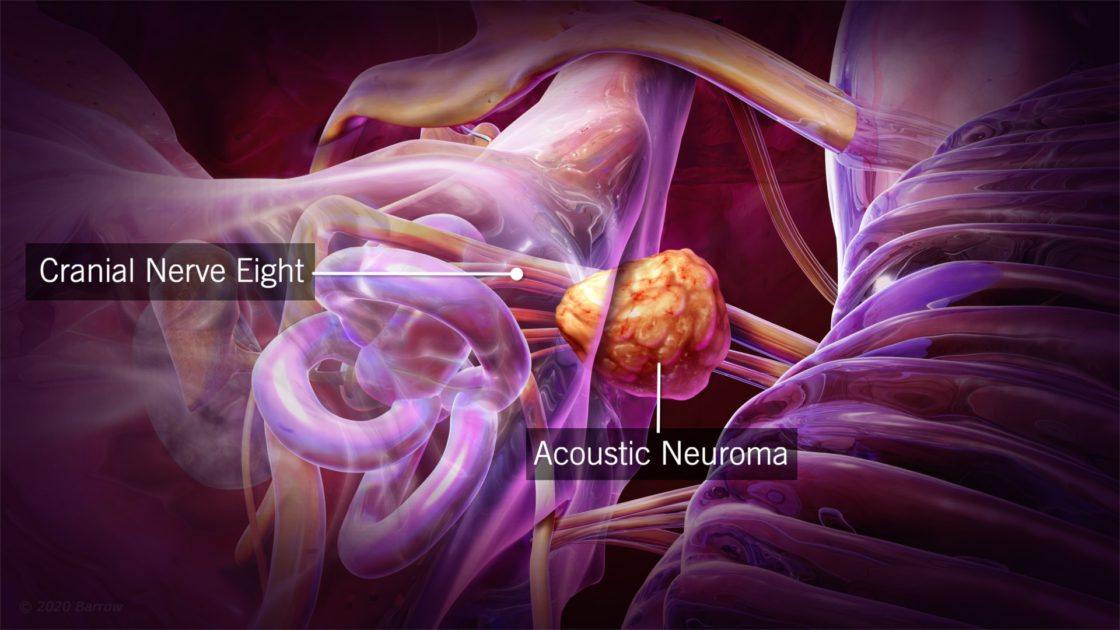
An acoustic neuroma is a noncancerous tumor that grows on the nerve connecting your ear to your brain. Doctors also call it a vestibular schwannoma. This nerve controls both hearing and balance functions.
Although benign, this tumor can still cause significant problems. As it grows, it presses against nearby nerves and structures. Over time, this pressure leads to hearing loss and balance difficulties.
Why “Benign” Doesn’t Mean Harmless
Benign means the tumor isn’t cancerous and doesn’t spread elsewhere. However, it can still grow large enough to affect surrounding brain structures. That’s why doctors monitor these tumors closely, even without cancer involvement.
What Causes Acoustic Neuroma
Doctors haven’t identified one definite cause for most acoustic neuromas. However, they form from overactive growth of Schwann cells. These cells normally wrap around and protect your nerve fibers.
A genetic condition called neurofibromatosis type 2 causes some cases directly. This rare disorder leads to tumors on nerves throughout the body. Most acoustic neuromas, though, appear randomly without any clear genetic link.
Risk Factors Worth Knowing
Age plays a role, since most diagnoses occur between forty and sixty years old. Radiation exposure to the head may also slightly increase risk. Family history matters too, particularly when neurofibromatosis type 2 runs in your family.
Recognizing the Symptoms
Hearing loss in one ear is often the earliest noticeable symptom. This loss usually develops gradually rather than suddenly. Many people also notice ringing or buzzing in the affected ear.
As the tumor grows, balance problems frequently appear next. You might feel unsteady or experience occasional dizziness. Some people also report a feeling of fullness or pressure inside the ear.
Less Common but Important Symptoms
Larger tumors can press against facial nerves, causing numbness or weakness. Headaches sometimes develop as the tumor increases in size. In rare, advanced cases, vision changes or difficulty swallowing may also occur.
When to See a Doctor
Don’t ignore gradual hearing loss in just one ear. This symptom alone deserves prompt medical attention. Early evaluation often leads to better long-term outcomes.
How Doctors Diagnose Acoustic Neuroma
Diagnosis typically begins with a thorough hearing test. This test helps identify which ear shows reduced hearing function. Your doctor will also ask about balance issues and other symptoms.
An MRI scan remains the most reliable tool for confirming this tumor. It clearly shows the tumor’s size and exact location. In some cases, doctors also use a CT scan for additional detail.
Why Imaging Plays Such a Key Role
Imaging helps distinguish acoustic neuroma from other inner ear conditions. It also allows doctors to track tumor growth over time. This information guides decisions about treatment timing and approach.
Treatment Options Available Today
Treatment depends largely on tumor size, growth rate, and your overall symptoms. Small, slow-growing tumors often just need regular monitoring. Doctors call this approach watchful waiting, using periodic MRI scans to track changes.
For larger or faster-growing tumors, more active treatment becomes necessary. Radiation therapy can shrink or stop tumor growth effectively. Surgery remains another option, particularly for tumors causing significant symptoms.
Understanding Watchful Waiting
Watchful waiting works well for many smaller tumors. Doctors recheck hearing and imaging results periodically. If growth remains slow, this approach can continue safely for years.
Surgical Removal Explained
Surgery aims to remove the tumor while protecting nearby nerves. Surgeons choose different approaches based on tumor size and location. Recovery time varies, though most patients resume normal activities within weeks.
Radiation Therapy as an Alternative
Radiation therapy targets the tumor with focused beams, avoiding open surgery. This method works especially well for smaller tumors. Many patients prefer it due to shorter recovery times.
Living With Acoustic Neuroma
A diagnosis like this can feel overwhelming at first. However, most people continue living full, active lives afterward. Working closely with your medical team makes the journey easier.
Hearing aids can help if hearing loss persists after treatment. Balance therapy may also support recovery from dizziness or unsteadiness. Staying connected with support groups offers helpful emotional encouragement too.
Final Thoughts on Acoustic Neuroma
Acoustic neuroma sounds frightening, but it’s highly treatable in most cases. Modern monitoring and treatment options offer excellent outcomes. Recognizing early symptoms gives you the best chance for effective management.
If you notice one-sided hearing loss or persistent ringing, get checked promptly. Early diagnosis leads to more treatment choices and better results. With proper care, most people manage this condition successfully long-term.
Frequently Asked Questions
Is acoustic neuroma life-threatening?
Acoustic neuroma is rarely life-threatening since it’s noncancerous and slow-growing. However, very large tumors can press against vital brain structures. Regular monitoring helps prevent serious complications from developing.
Can acoustic neuroma come back after treatment?
Acoustic neuroma can occasionally regrow after surgery or radiation therapy. Regular follow-up scans help detect any recurrence early. Most patients, however, experience long-term success after treatment.
Does acoustic neuroma always cause hearing loss?
Hearing loss is the most common symptom, but its severity varies widely. Some people experience only mild changes for years. Others notice more significant hearing decline as the tumor grows.
Can acoustic neuroma affect both ears?
Acoustic neuroma usually affects only one ear at a time. Tumors affecting both ears typically indicate neurofibromatosis type 2. This genetic condition requires specialized, ongoing medical management.
How fast does acoustic neuroma typically grow?
Most acoustic neuromas grow very slowly, often just a few millimeters yearly. Some tumors don’t grow at all for extended periods. This slow progression allows many patients to avoid immediate surgery.
Disclaimer:
This article is for informational purposes only and does not replace professional medical advice. Please consult a qualified healthcare provider for diagnosis and treatment.
References:
- Mayo Clinic, Acoustic Neuroma: https://www.mayoclinic.org/diseases-conditions/acoustic-neuroma/symptoms-causes/syc-20356127
- NIDCD, Acoustic Neuroma: https://www.nidcd.nih.gov/health/acoustic-neuroma
- Cleveland Clinic, Acoustic Neuroma: https://my.clevelandclinic.org/health/diseases/6068-acoustic-neuroma
- NHS, Acoustic Neuroma: https://www.nhs.uk/conditions/acoustic-neuroma/
Observer Voice is the one stop site for National, International news, Sports, Editor’s Choice, Art/culture contents, Quotes and much more. We also cover historical contents. Historical contents includes World History, Indian History, and what happened today. The website also covers Entertainment across the India and World.

