

Investment 101: Essential Tips for Rebalancing Your Portfolio for FY27 and Common Mistakes to Avoid

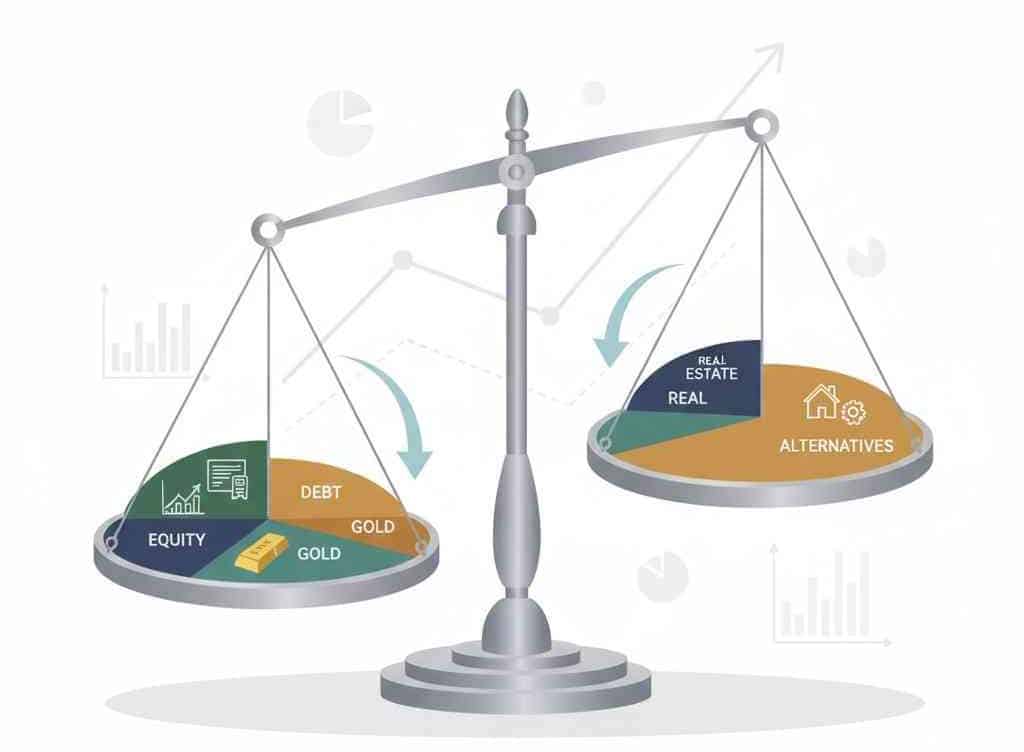
For many salaried individuals in India, the start of a new financial year brings increased paychecks and bonuses. This change often prompts a desire to invest in new mutual fund schemes or increase systematic investment plan (SIP) contributions. However, it is also an opportune time to review and rebalance existing investment portfolios to align with updated financial goals and risk tolerances.
Importance of Periodic Portfolio Reviews
Investors typically establish an asset allocation strategy when building their portfolios, such as a 70% equity and 30% debt mix. Over time, the performance of various asset classes can cause this allocation to shift. For instance, a portfolio that began as 70:30 may evolve into an 80:20 ratio favoring equities. Such deviations can impact the investor’s ability to meet their financial objectives, making periodic reviews essential.
Rebalancing helps ensure that portfolios remain aligned with financial goals and risk appetites. It prevents any single high-performing asset from dominating the portfolio and allows for the trimming of overvalued assets while reinvesting in areas with growth potential.
Steps to Rebalance Your Investment Portfolio
Investors can follow a structured approach to rebalance their portfolios effectively. First, they should review their financial goals and risk tolerance, as these factors can change over time due to life circumstances or market conditions. For example, a young investor without dependents may be more inclined to invest heavily in equities compared to someone nearing retirement.
Next, determining a target allocation is crucial. This allocation should reflect the investor’s current situation, taking into account factors such as income, remaining service years, and financial goals. After establishing a target, investors should compare their current asset allocation against this target to identify necessary adjustments.
If the current allocation deviates significantly—beyond a predetermined limit—investors should decide which assets to add, trim, or maintain. They may need to add new funds or top up existing ones where allocations are low, while also considering the potential tax implications of selling investments.
Common Mistakes to Avoid When Rebalancing
Investors often make several common mistakes during the rebalancing process. One significant error is rebalancing too frequently, which can lead to unnecessary transaction costs and tax implications. It is advisable to allow investments time to grow before making changes.
Emotional decision-making can also hinder effective rebalancing. Selling high-performing assets during market peaks or buying during downturns can be challenging, but maintaining financial discipline is essential. Additionally, investors should consider their entire portfolio across all accounts rather than focusing on individual accounts in isolation.
Finally, regular portfolio reviews are necessary to ensure alignment with evolving financial goals and risk tolerances. Investors should revisit their portfolios periodically to account for changes in income and life circumstances.
Observer Voice is the one stop site for National, International news, Sports, Editor’s Choice, Art/culture contents, Quotes and much more. We also cover historical contents. Historical contents includes World History, Indian History, and what happened today. The website also covers Entertainment across the India and World.
Follow Us on Twitter, Instagram, Facebook, & LinkedIn

