

India Enhances Standards for Road Ambulance Safety and Efficiency

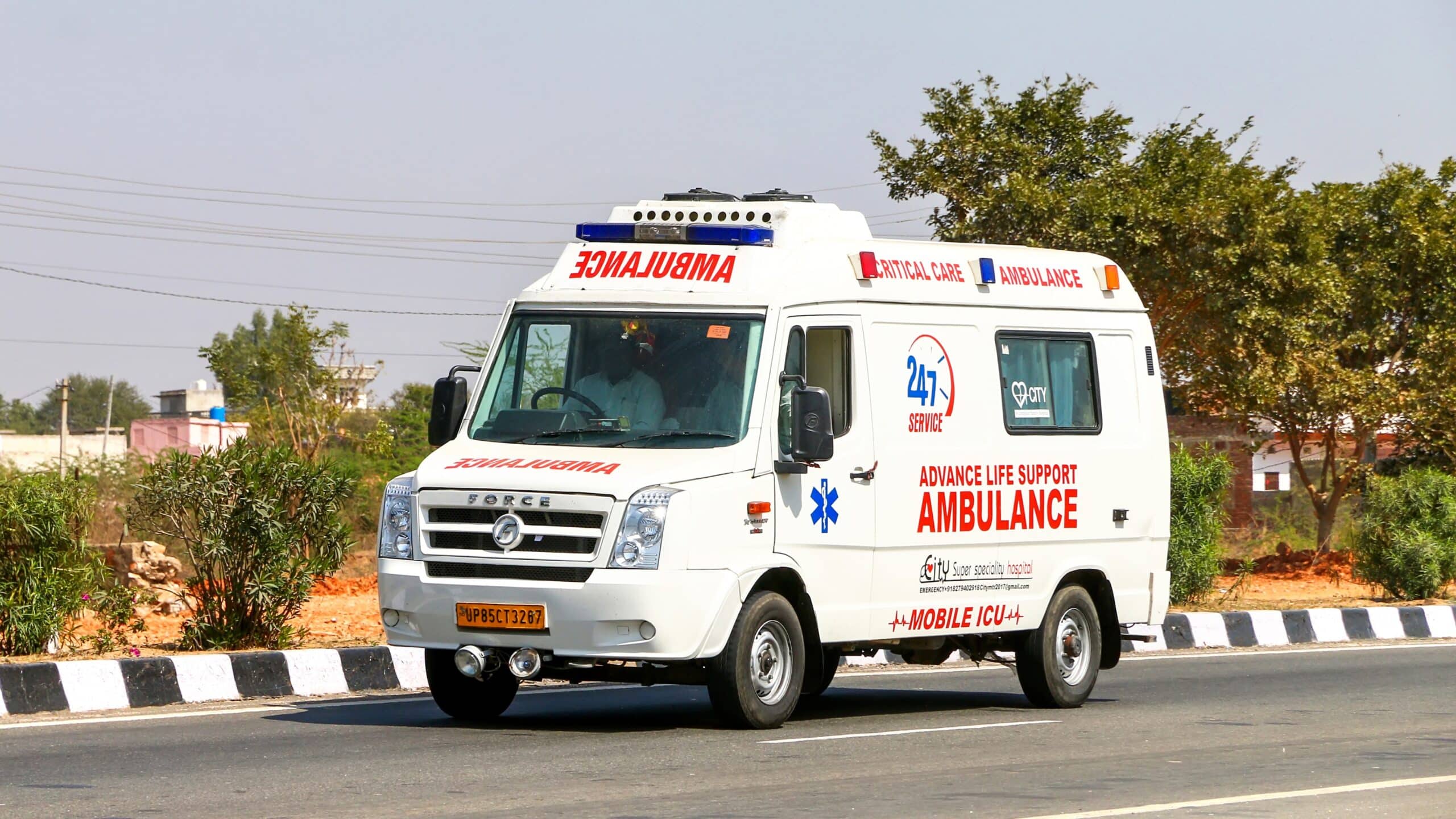
The Ministry of Road Transport and Highways (MoRTH) has announced vital amendments to the Automotive Industry Standard (AIS)-125, aiming to bolster the safety, functionality, and medical capabilities of road ambulances nationwide. These changes come as a response to the critical role that road ambulances play in emergency care, acting as essential lifelines that facilitate swift patient transportation to hospitals and provide advanced life support for critically ill individuals.
India continues to face a high rate of road accident fatalities each year, a significant portion of which could be avoided with timely medical care. Research shows that nearly half of the deaths resulting from road accidents could be prevented if victims receive hospital treatment within the crucial first hour.
In light of this, proactive initiatives such as the “Prime Minister – Road Accident Victims’ Hospitalisation and Assured Treatment (PM-RAHAT) Scheme” have been established to guarantee necessary medical coverage for victims of motor vehicle accidents. However, ensuring that ambulances are readily available and tailored to provide medical personnel with operational convenience, while also prioritizing patient comfort and safety during transport, is equally essential.
Strengthening Ambulance Standards
The Ministry has previously notified standard AIS-125 (Part 1) on September 8, 2016, focusing on constructional and functional requirements for road ambulances. Furthermore, AIS-125 (Part 2) provided guidelines for the medical equipment necessary for various types of road ambulances, ensuring they can effectively perform their defined roles.
The recent amendments to AIS-125 (Part 1) and (Part 2) introduce several enhancements aiming to improve both the safety and operational efficiency of road ambulances. Notably, these updates include specialized ambulance types: the Neonatal Road Ambulance, specifically designed to transport sick or premature newborns needing advanced medical care, and the Multi-stretcher Road Ambulance, which can carry multiple patients while focusing on the intensive care of one at a time.
Mandatory Safety Provisions
All road ambulances categorized under Classes B, C, and D will be required to be equipped with emergency rescue tools. This gear is vital for extracting accident victims from damaged vehicles and providing necessary support in the event of an ambulance involvement in an accident.
To support India’s commitment to green mobility, electric ambulances are set to receive dedicated power sources for their medical equipment, ensuring patient care remains uncompromised. Additionally, the AIS-125 (Part 2) outlines rigorous standards that all medical devices installed in ambulances must meet.
As part of the regulatory process, a draft notification (GSR 382(E)) has been released, inviting public comments to shape the final amendments. These updated standards are expected to take effect following the final notification’s publication.
Observer Voice is the one stop site for National, International news, Sports, Editor’s Choice, Art/culture contents, Quotes and much more. We also cover historical contents. Historical contents includes World History, Indian History, and what happened today. The website also covers Entertainment across the India and World.

