

Government Unveils Major Reform for Rice Quality in Welfare Schemes

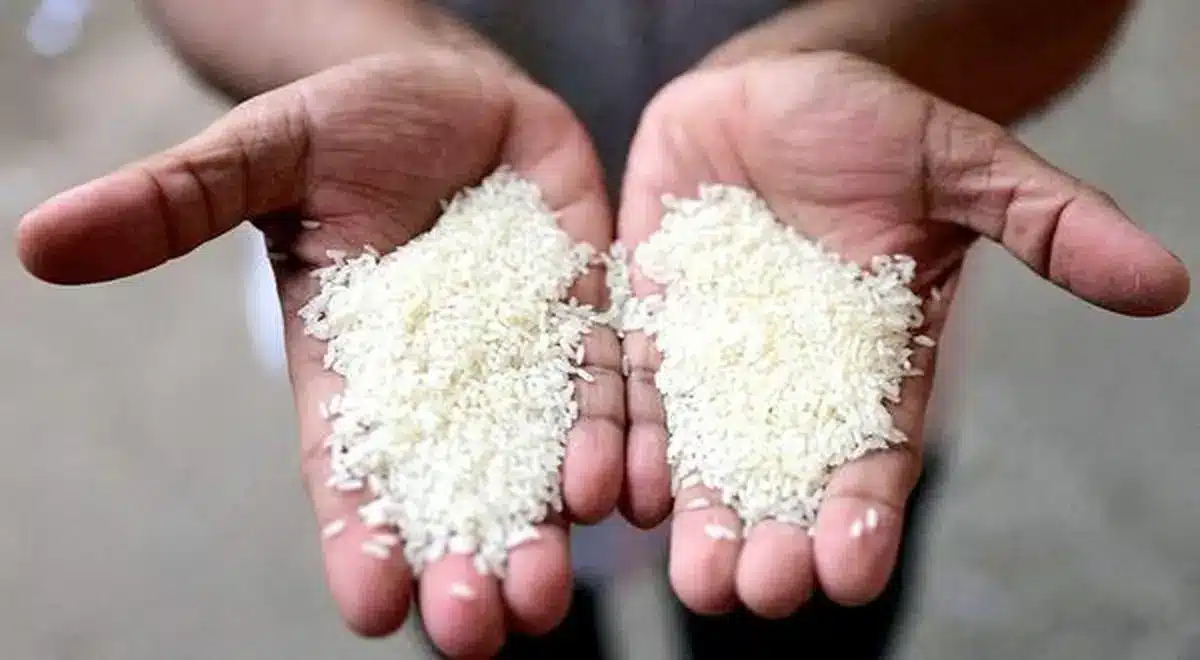
The Cabinet Committee on Economic Affairs (CCEA) has taken an important step to elevate the quality of rice distributed under the Pradhan Mantri Garib Kalyan Anna Yojana (PMGKAY) and related welfare initiatives. For the first time in nearly 30 years, the government has announced revised quality standards for rice supplied through the Public Distribution System (PDS), guaranteeing that beneficiaries receive rice with significantly lower broken grain content while keeping their current allocations intact.
Enhanced Quality Specifications
The newly approved policy outlines a shift in the specifications for both raw and parboiled rice. Under the changes, raw rice distributed under PMGKAY will now contain a maximum of 10% broken grains, a reduction from the previous limit of 25%. Similarly, the maximum allowable broken grain content in parboiled rice will decrease to 5%, compared to the former threshold of 16%.
Implementation Timeline and Distribution
Procurement of this improved-quality rice is set to begin immediately. The rollout is expected to take place across all procuring states by the Kharif Marketing Season (KMS) 2027–28, occurring in phases to ensure a smooth transition to the revised standards. Beneficiaries will start receiving this higher quality rice as part of PMGKAY and other food welfare schemes during this gradual implementation process.
Commitment to Food Quality
This decision signifies the government’s dedication to not just food security but also to enhancing the quality of food grains provided to over 800 million beneficiaries. The improved rice will ensure better grain integrity, enhanced appearance, and higher consumer acceptability without altering existing entitlements.
Utilizing Broken Rice Effectively
Under the new rules, any broken rice produced during the milling process will be captured and used productively for various industrial purposes. This guarantees that only superior edible rice reaches the beneficiaries, contributing to a more efficient food distribution system.
Fiscal and Operational Advantages
The reform is projected to streamline transportation, storage, and handling costs. With broken rice being sold directly from millers’ premises, the government anticipates annual savings of ₹2,161 crore through reduced logistics, storage, and packaging expenses. Moreover, direct sales of broken rice are expected to yield additional revenues, thus alleviating the food subsidy burden on the government.
Testing the Reform
The reform has been validated through pilot projects in various states, including Haryana, Andhra Pradesh, Punjab, Odisha, Telangana, and Chhattisgarh. These pilots showcased the practical feasibility of producing and distributing higher quality rice effectively. Following CCEA’s approval, rice produced under these trials will also be distributed to beneficiaries.
Boosting Transparency
To enhance transparency within the supply chain, the reform will introduce QR-code tagging on rice bags. This initiative will facilitate comprehensive traceability, bolstering accountability and inventory management within the PDS, and minimizing any chances for fraudulent activities.
The government has reaffirmed its commitment to ensuring food security for every eligible household. This landmark decision marks a significant step toward not just securing food availability but also improving the quality of food provided to those in need.
Observer Voice is the one stop site for National, International news, Sports, Editor’s Choice, Art/culture contents, Quotes and much more. We also cover historical contents. Historical contents includes World History, Indian History, and what happened today. The website also covers Entertainment across the India and World.
Follow Us on Twitter, Instagram, Facebook, & LinkedIn

