

Pancreatic Cancer: Why It’s So Hard to Catch Early and What to Watch For

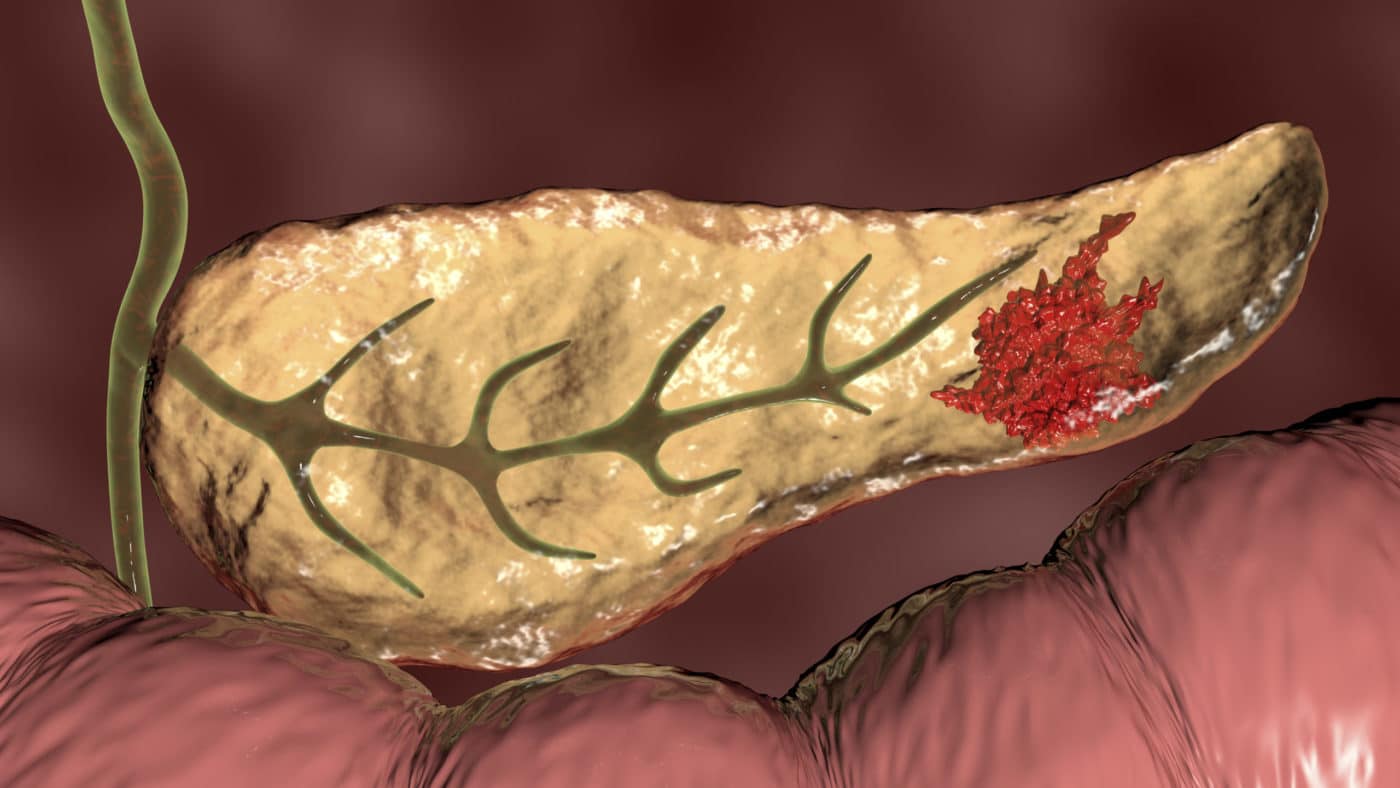
Pancreatic cancer develops within the pancreas, an organ tucked deep behind the stomach. This gland plays an essential role in digestion and blood sugar regulation. Its hidden location makes detecting problems considerably more difficult than with many other organs.
This cancer carries a notably challenging reputation among oncologists and patients alike. Most cases get diagnosed only after significant progression has already occurred. Understanding why early detection proves so difficult helps explain this troubling pattern.
Why Location Makes Such a Significant Difference
The pancreas sits deep within the abdomen, surrounded by other organs entirely. This positioning means tumors can grow considerably before causing noticeable physical changes. Unlike breast or skin cancer, no simple self-exam can detect pancreatic abnormalities.
Why Early Detection Remains So Challenging
Pancreatic cancer typically produces minimal symptoms during its earliest, most treatable stages. By the time noticeable symptoms develop, cancer has often already spread significantly. This silent progression represents the core challenge underlying this disease’s poor early detection rates.
Additionally, no routine screening test currently exists for the general population. Unlike mammograms or colonoscopies, no standard test catches pancreatic cancer before symptoms emerge. This absence of effective screening further complicates early identification efforts.
Why No Standard Screening Test Currently Exists
Developing an effective pancreatic cancer screening test has proven genuinely difficult scientifically. The pancreas’s deep location makes imaging-based screening less practical for routine general use. This screening gap explains why most cases get caught later than ideal.
The Challenge of Vague Early Symptoms
Early pancreatic cancer symptoms, when present, often feel vague and nonspecific entirely. Mild digestive discomfort or fatigue rarely prompts immediate concern or investigation. This vagueness frequently leads to delayed recognition until more obvious symptoms develop.
Recognizing the Warning Signs
Unexplained weight loss represents one of the more notable warning signs to watch for. Many people lose significant weight without any intentional dietary changes. This unexplained loss often signals something requiring genuine medical attention.
Jaundice, causing yellowing of the skin and eyes, frequently develops as tumors grow. This occurs when tumors block bile flow from the liver. Dark urine and pale stools often accompany this jaundice as well.
Digestive Symptoms Worth Taking Seriously
Persistent abdominal or back pain sometimes develops as tumors press against nearby structures. New-onset diabetes, particularly in older adults without other risk factors, deserves attention too. These digestive and metabolic changes together provide important diagnostic clues.
Why These Symptoms Often Get Misattributed
Many early pancreatic cancer symptoms overlap considerably with common digestive conditions. Mild abdominal discomfort easily gets attributed to less serious causes initially. This overlap explains why connecting symptoms to pancreatic cancer often takes considerable time.
Who Faces Higher Risk
Age represents a significant risk factor, with most cases occurring in older adults. Smoking substantially increases pancreatic cancer risk compared to non-smokers. Family history and certain genetic syndromes also meaningfully elevate personal risk.
Chronic pancreatitis and long-standing diabetes both increase susceptibility somewhat. Obesity further contributes to elevated risk for this particular cancer. Understanding these risk factors helps identify who might benefit from heightened symptom awareness.
Why Family History Deserves Particular Attention
Having multiple family members with pancreatic cancer significantly increases personal risk levels. Genetic counseling becomes particularly relevant for families with this pattern. This information helps guide decisions about increased surveillance for high-risk individuals specifically.
How Doctors Diagnose Pancreatic Cancer
Diagnosis typically begins with imaging tests, like CT scans or MRI, once symptoms emerge. These tests help visualize the pancreas and identify any suspicious masses. Blood tests checking for specific tumor markers sometimes provide supporting evidence too.
A biopsy ultimately confirms diagnosis by examining tissue samples directly. This sample helps determine specific cancer characteristics guiding treatment planning. Combining all these results creates a comprehensive diagnostic picture.
Why Confirmation Often Takes Multiple Steps
Given the pancreas’s deep location, obtaining tissue samples requires specialized procedures specifically. This complexity sometimes extends the overall diagnostic timeline somewhat. Despite this added time, thorough confirmation remains essential for accurate treatment planning.
Why Early Diagnosis Changes Everything
Catching pancreatic cancer before it spreads dramatically improves treatment options and outcomes. Surgical removal becomes possible only when cancer remains localized to the pancreas. This surgical option represents the best chance for long-term, successful treatment.
Unfortunately, the majority of cases get diagnosed after cancer has already spread beyond the pancreas. This advanced presentation significantly limits treatment options and overall prognosis. This reality underscores why recognizing even subtle warning signs matters so significantly.
Why Surgery Offers the Best Outcomes When Possible
Surgical removal can potentially cure pancreatic cancer when caught at an early, localized stage. This option, however, becomes unavailable once cancer spreads to other organs. This stark difference explains why early detection efforts remain such a critical research priority.
Final Thoughts on Pancreatic Cancer Detection
Pancreatic cancer’s hidden location and vague early symptoms create genuine detection challenges. Understanding these obstacles helps explain why this disease carries such a serious reputation. Recognizing warning signs, even subtle ones, remains your best current defense.
If you notice unexplained weight loss, jaundice, or persistent abdominal discomfort, seek medical evaluation promptly. Don’t dismiss these changes as simply minor or unrelated concerns. While early detection remains challenging, prompt evaluation still offers the best possible outcome.
Frequently Asked Questions
Is there a screening test for pancreatic cancer?
No standard screening test currently exists for the general population regarding pancreatic cancer. High-risk individuals, like those with strong family history, sometimes undergo specialized surveillance instead. Discussing personal risk factors with your doctor helps determine appropriate monitoring needs.
Why does pancreatic cancer have such a serious reputation?
This reputation stems primarily from typically late diagnosis, given minimal early symptoms. By diagnosis time, cancer has often already spread beyond the pancreas itself. Earlier detection efforts continue working to improve this challenging overall pattern.
Can pancreatic cancer be prevented?
While complete prevention isn’t always possible, certain lifestyle changes help reduce overall risk meaningfully. Avoiding smoking and maintaining a healthy weight both contribute to lower risk. Managing chronic conditions like diabetes also supports overall pancreatic health.
Does new-onset diabetes always indicate pancreatic cancer?
No, new-onset diabetes has many possible causes far more common than pancreatic cancer specifically. However, new diabetes diagnosis in older adults without typical risk factors deserves further consideration. Discussing this connection with your doctor provides appropriate, personalized guidance.
Can pancreatic cancer be cured if caught early enough?
Yes, surgical removal offers genuine potential for cure when cancer remains localized to the pancreas. This positive outcome significantly depends on catching the disease before it spreads further. This reality reinforces why recognizing early warning signs matters so genuinely.
Disclaimer:
This article is for informational purposes only and does not replace professional medical advice. Please consult a qualified healthcare provider for diagnosis and treatment.
References:
- Pancreatic cancer often progresses asymptomatically and when it does present, its symptoms are non-specific, such as nausea, anorexia, jaundice, and weight loss WHO.
- Type 1 diabetes is an autoimmune disease causing progressive destruction of pancreatic beta cells leading to severe insulin deficiency.
- Cystic fibrosis is a genetic disorder affecting multiple organs caused by mutations in the CFTR gene, resulting in thick, sticky mucus and progressive organ damage.
Observer Voice is the one stop site for National, International news, Sports, Editor’s Choice, Art/culture contents, Quotes and much more. We also cover historical contents. Historical contents includes World History, Indian History, and what happened today. The website also covers Entertainment across the India and World.

