

Powassan Virus: The Tick-Borne Brain Infection With No Treatment and Rising Cases

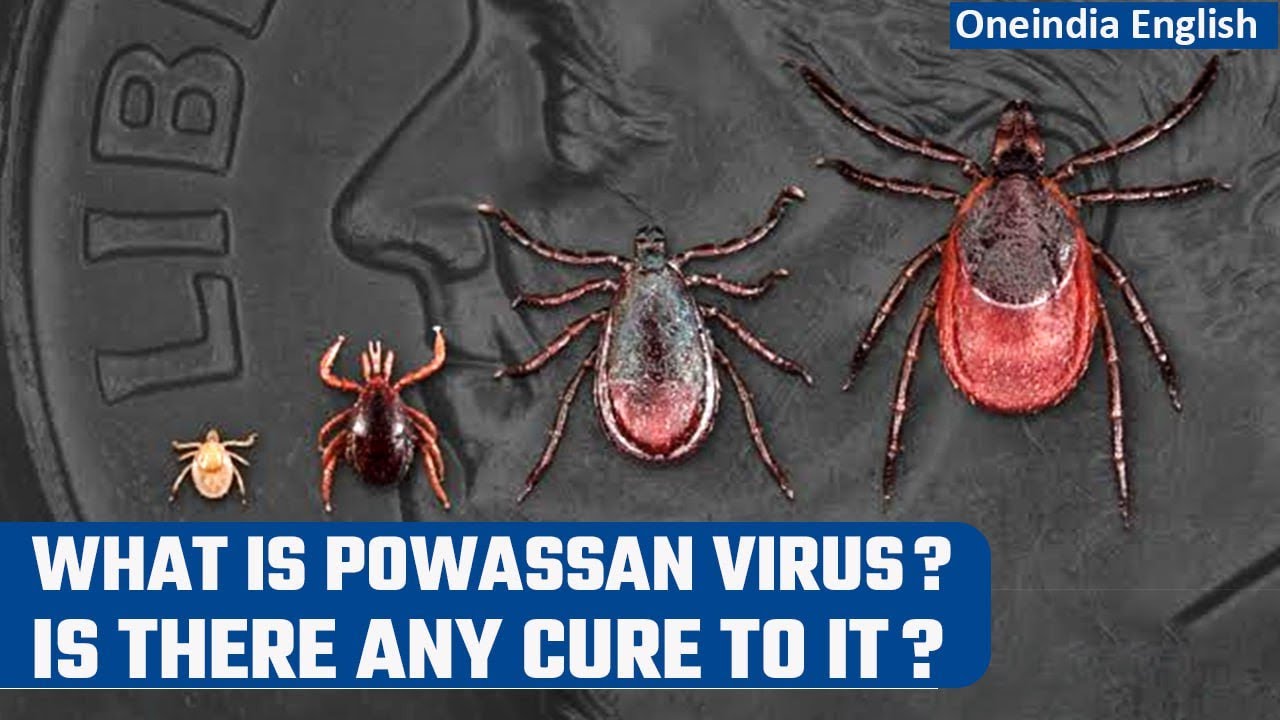
Powassan virus is a rare but serious infection spread through tick bites. It can cause severe brain inflammation, called encephalitis, in some infected people. Unlike many tick-borne illnesses, no specific antiviral treatment currently exists.
This virus has historically remained quite rare across North America. However, recent years have shown a concerning increase in reported cases. Understanding why this rise matters helps explain growing public health attention.
Why Powassan Virus Differs From Other Tick-Borne Diseases
Most well-known tick-borne illnesses, like Lyme disease, respond well to antibiotics. Powassan virus, however, is a virus, not bacteria, making antibiotics completely ineffective. This fundamental difference explains why treatment options remain so limited.
How Powassan Virus Spreads
Specific tick species, particularly deer ticks, transmit this virus through their bite. Unlike Lyme disease, which requires extended tick attachment, Powassan can transmit much faster. Transmission can potentially occur within just minutes of tick attachment.
This rapid transmission timeline makes prevention particularly challenging compared to other tick-borne illnesses. Outdoor activities in wooded or grassy areas increase exposure risk significantly. Regions with established deer tick populations show the highest reported case numbers.
Why Rapid Transmission Makes Prevention Harder
Many tick-borne diseases require ticks to remain attached for many hours before transmission. Powassan virus, however, can transmit considerably faster than this typical timeline. This characteristic makes prompt tick removal less reliably protective against this specific virus.
Why Cases Appear to Be Rising
Expanding tick populations and changing climate patterns likely contribute to increasing case numbers. Improved testing and awareness may also reveal previously undiagnosed cases. Researchers continue studying exactly why this concerning upward trend continues.
Recognizing the Symptoms
Many people infected with Powassan virus experience mild or no symptoms whatsoever. When symptoms occur, they often begin with fever and headache. Vomiting and general weakness frequently accompany these initial symptoms too.
In more severe cases, the virus affects the brain directly, causing encephalitis. Confusion, difficulty speaking, and seizures can develop as this progresses. Some patients also experience long-term neurological effects even after recovery.
Why Brain Involvement Makes This Virus So Concerning
Powassan virus specifically targets brain tissue in severe cases, unlike many other tick-borne diseases. This neurological involvement explains the infection’s potential for serious, lasting complications. Recognizing this risk helps explain why prompt medical evaluation matters significantly.
Long-Term Effects Survivors May Experience
Some survivors experience lasting memory problems or muscle weakness after infection. Headaches and fatigue can also persist for months following recovery. These lasting effects highlight the genuine seriousness of severe Powassan virus infection.
How Doctors Diagnose Powassan Virus
Diagnosis typically begins with blood or spinal fluid testing for specific antibodies. Doctors also consider recent tick exposure and symptom presentation together. This combined approach helps distinguish Powassan virus from other tick-borne illnesses.
Given its rarity, specialized laboratories often handle definitive antibody confirmation testing. This requirement can sometimes delay diagnosis confirmation during initial evaluation. Doctors frequently begin supportive treatment while awaiting these specific test results.
Why Diagnosis Can Take Time
Powassan virus testing isn’t widely available at every standard medical laboratory. This limitation means confirmation sometimes requires sending samples to specialized facilities. Patience during this testing process, though frustrating, remains genuinely necessary.
Why No Specific Treatment Currently Exists
Unlike bacterial tick-borne illnesses, no antiviral medication effectively treats Powassan virus directly. This treatment gap reflects limited research investment given the virus’s historical rarity. Recent rising case numbers, however, have increased research attention significantly.
Treatment instead focuses entirely on supportive care, managing symptoms as they develop. Hospitalization often becomes necessary for patients with severe neurological symptoms. This supportive approach helps the body fight the infection while minimizing complications.
Why Supportive Care Remains the Primary Approach
Without antiviral options, doctors focus on managing fever, pain, and neurological symptoms directly. Intensive care sometimes becomes necessary for patients with severe brain involvement. This approach mirrors treatment for several other viral encephalitis-causing infections.
Why Research Funding Has Historically Lagged
Powassan virus’s rarity historically limited pharmaceutical interest in developing specific treatments. Rising case numbers, however, increasingly justify expanded research investment. This shifting attention offers hope for future treatment development possibilities.
Preventing Powassan Virus Infection
Wearing long sleeves and pants during outdoor activities helps prevent tick bites effectively. Using appropriate insect repellent offers meaningful additional protection too. Checking thoroughly for ticks after spending time outdoors remains genuinely essential.
Given rapid transmission potential, prompt tick checks become especially important with this virus. Treating pets for ticks also helps reduce household exposure risk. These combined prevention strategies offer your best protection against this infection.
Final Thoughts on Powassan Virus
Powassan virus represents a genuinely concerning, rising tick-borne threat without specific treatment options. Understanding its rapid transmission and recognizing potential symptoms helps guide appropriate precautions. Prevention truly remains your most effective defense against this virus currently.
If you develop fever or neurological symptoms after a tick bite, seek medical care promptly. Mentioning this exposure helps guide appropriate, timely testing decisions. With supportive care, many people recover from Powassan virus, though awareness and prevention remain essential.
Frequently Asked Questions
Can Powassan virus spread between people?
No, Powassan virus doesn’t spread directly between people under normal circumstances. Transmission requires a tick bite from an infected tick specifically. This makes tick exposure the primary risk factor to consider.
How quickly can Powassan virus transmit during a tick bite?
Powassan virus can potentially transmit within just minutes of tick attachment. This rapid timeline differs significantly from many other tick-borne illnesses. This characteristic makes prevention through avoiding tick exposure particularly important.
Is Powassan virus infection always severe?
No, many people infected with Powassan virus experience mild or no symptoms at all. Severe neurological complications occur in only a portion of infected individuals. However, when severe illness develops, it can become genuinely serious.
Can Powassan virus cause permanent brain damage?
Yes, some survivors experience lasting neurological effects following severe Powassan virus infection. These effects might include memory problems or persistent muscle weakness. This potential for lasting impact underscores the infection’s genuine seriousness.
Where in the world does Powassan virus typically occur?
Powassan virus primarily occurs in the northeastern and Great Lakes regions of the United States. Parts of Canada also report cases regularly. Areas with established deer tick populations show the highest infection risk.
Disclaimer:
This article is for informational purposes only and does not replace professional medical advice. Please consult a qualified healthcare provider for diagnosis and treatment.
References:
- WHO reports that TBEV is primarily transmitted to humans through bites from infected Ixodes species ticks—predominantly Ixodes ricinus in Europe and Ixodes persulcatus in Asia.
- Every year in the United States, an estimated 500,000 people are diagnosed with Lyme disease.
- Phone clocks aren’t always reliable. Time zone settings get messed up.
Observer Voice is the one stop site for National, International news, Sports, Editor’s Choice, Art/culture contents, Quotes and much more. We also cover historical contents. Historical contents includes World History, Indian History, and what happened today. The website also covers Entertainment across the India and World.

