

Aspergillosis: The Mold Infection That Becomes Life-Threatening in Immunocompromised People

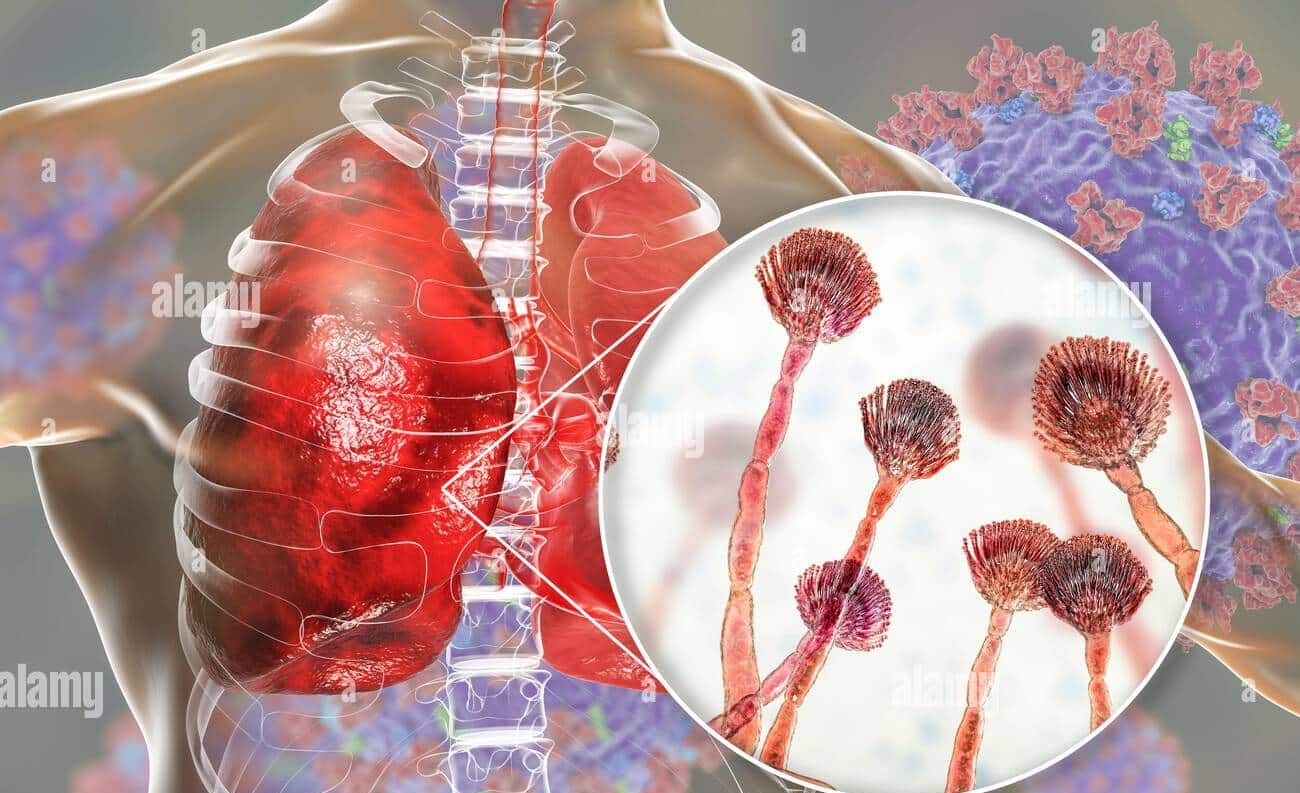
Aspergillosis is an infection caused by Aspergillus mold, found almost everywhere in the environment. Most healthy people inhale these mold spores regularly without ever getting sick. Their immune systems simply clear the spores before any infection develops.
However, this same common mold can become genuinely dangerous for certain individuals. People with weakened immune systems face significantly higher infection risk. Understanding this contrast helps explain why aspergillosis varies so dramatically in severity.
Why Aspergillus Mold Is So Difficult to Avoid
Aspergillus spores exist in soil, decaying leaves, compost, and household dust commonly. Essentially everyone encounters these spores regularly throughout daily life. This widespread presence explains why complete avoidance remains practically impossible.
Who Faces the Highest Risk
People with weakened immune systems face dramatically increased aspergillosis risk. This includes individuals undergoing chemotherapy or organ transplant recipients specifically. Those with conditions like leukemia also show significantly higher susceptibility.
Long-term corticosteroid use can also weaken immune defenses considerably. People with pre-existing lung conditions, like asthma or cystic fibrosis, face elevated risk too. Understanding these risk factors helps identify who needs particular vigilance.
Why Immunocompromised Status Changes Everything
A healthy immune system effectively destroys inhaled Aspergillus spores before infection develops. Weakened immunity, however, allows this mold to grow and spread unchecked. This fundamental difference explains aspergillosis’s dramatically varying severity between individuals.
Specific Conditions That Increase Vulnerability
Cancer treatments, particularly chemotherapy, significantly suppress immune function temporarily. Organ and bone marrow transplant recipients require immune-suppressing medications long-term. These necessary treatments unfortunately create meaningful vulnerability to opportunistic infections like aspergillosis.
Recognizing the Symptoms
Mild aspergillosis often causes symptoms resembling typical respiratory infections. Cough, wheezing, and mild fever frequently represent these initial symptoms. Many people initially mistake these symptoms for common allergies or bronchitis.
In immunocompromised individuals, symptoms can progress rapidly and severely. Chest pain, coughing up blood, and severe shortness of breath can develop quickly. This dangerous progression represents invasive aspergillosis, a true medical emergency.
Why Symptoms Differ So Dramatically Between Patients
Healthy individuals typically experience mild, allergy-like symptoms if any develop at all. Immunocompromised patients, conversely, can develop severe, rapidly progressing illness. This stark contrast directly reflects differing immune system capability against this mold.
Recognizing Dangerous Invasive Aspergillosis
Invasive aspergillosis specifically refers to mold spreading aggressively through lung tissue. This form can quickly spread to the bloodstream and other organs. Recognizing rapid symptom progression helps prompt immediate, life-saving medical intervention.
How Doctors Diagnose Aspergillosis
Diagnosis typically begins with imaging tests, like chest X-rays or CT scans. These tests reveal characteristic patterns suggesting fungal infection within lung tissue. Blood tests checking for specific fungal markers also support diagnosis significantly.
In some cases, doctors collect lung fluid or tissue samples for direct testing. This sampling helps confirm Aspergillus presence definitively. Combining these results with patient risk factors guides accurate, timely diagnosis.
Why Rapid Diagnosis Matters So Critically
Invasive aspergillosis can progress dangerously fast in immunocompromised patients specifically. Delayed diagnosis significantly increases mortality risk in these vulnerable individuals. This urgency explains why doctors pursue testing aggressively when risk factors align with symptoms.
Treatment Options for Aspergillosis
Treatment approach depends heavily on infection type and patient immune status. Mild allergic forms sometimes require only inhaled medications for symptom control. More significant infections require systemic antifungal medication for effective treatment.
Voriconazole represents a commonly prescribed antifungal for invasive aspergillosis specifically. Treatment duration varies considerably, sometimes extending for several months. Severe cases may require surgical removal of significantly damaged lung tissue too.
Why Treatment Intensity Varies So Significantly
Mild, allergic aspergillosis requires far less intensive treatment than invasive forms. Invasive infection demands aggressive, prolonged antifungal therapy for genuine effectiveness. This variation directly reflects how differently aspergillosis behaves across different patient populations.
Managing Treatment in Immunocompromised Patients
Treating aspergillosis in immunocompromised patients requires careful coordination with their underlying condition management. Doctors must balance antifungal treatment with necessary immune-suppressing medications simultaneously. This careful balancing act requires experienced, specialized medical oversight.
Preventing Aspergillosis in High-Risk Individuals
Immunocompromised individuals should avoid activities involving significant dust or mold exposure. This includes gardening, construction sites, and areas with decaying organic matter. Wearing protective masks during unavoidable exposure offers additional meaningful protection.
Some high-risk patients receive preventive antifungal medication during particularly vulnerable periods. Hospitals also implement specific air filtration measures protecting severely immunocompromised patients. These combined strategies significantly reduce dangerous infection risk for vulnerable individuals.
Final Thoughts on Aspergillosis
Aspergillosis demonstrates how a common environmental mold can become genuinely life-threatening for vulnerable individuals. Understanding personal risk factors and recognizing early symptoms helps ensure prompt, appropriate care. Most healthy people, fortunately, never face meaningful risk from this widespread mold.
If you’re immunocompromised and develop respiratory symptoms, seek medical evaluation promptly. Mentioning your immune status helps guide appropriate, urgent testing decisions. With early diagnosis and treatment, many people successfully overcome even invasive aspergillosis infection.
Frequently Asked Questions
Can healthy people get seriously ill from aspergillosis?
Healthy individuals rarely develop serious aspergillosis, since their immune systems handle exposure effectively. Mild allergic reactions occasionally occur, particularly in people with asthma. Serious, invasive infection almost exclusively affects immunocompromised individuals specifically.
Is aspergillosis contagious between people?
No, aspergillosis doesn’t spread from person to person under any circumstances. Infection results entirely from inhaling environmental mold spores directly. This makes environmental exposure the only meaningful transmission route.
How quickly can invasive aspergillosis become dangerous?
Invasive aspergillosis can progress dangerously fast, sometimes within just days in severely immunocompromised patients. This rapid progression explains why immediate medical attention remains absolutely critical. Quick diagnosis and treatment significantly improve survival chances.
Can aspergillosis affect organs beyond the lungs?
Yes, in severe invasive cases, aspergillosis can spread to the brain, skin, or other organs. This dangerous spread typically occurs in severely immunocompromised patients specifically. Prompt treatment significantly reduces this serious complication risk.
Are there ways to reduce mold exposure at home?
Yes, fixing water leaks promptly and using dehumidifiers helps reduce indoor mold growth significantly. Regular cleaning and proper ventilation also discourage mold accumulation effectively. These simple measures benefit everyone, particularly immunocompromised household members.
Disclaimer:
This article is for informational purposes only and does not replace professional medical advice. Please consult a qualified healthcare provider for diagnosis and treatment.
References:
- When temperatures rise above freezing during the day and drop below freezing at night, moisture turns to ice and then back into water.
- The transition to non-invasive methods is accelerating due to technological breakthroughs.
- Medical: Production of surgical instruments and housings demanding high levels of cleanliness and tolerances.
Observer Voice is the one stop site for National, International news, Sports, Editor’s Choice, Art/culture contents, Quotes and much more. We also cover historical contents. Historical contents includes World History, Indian History, and what happened today. The website also covers Entertainment across the India and World.

