

Preeclampsia: The Pregnancy Complication That Can Become Life-Threatening

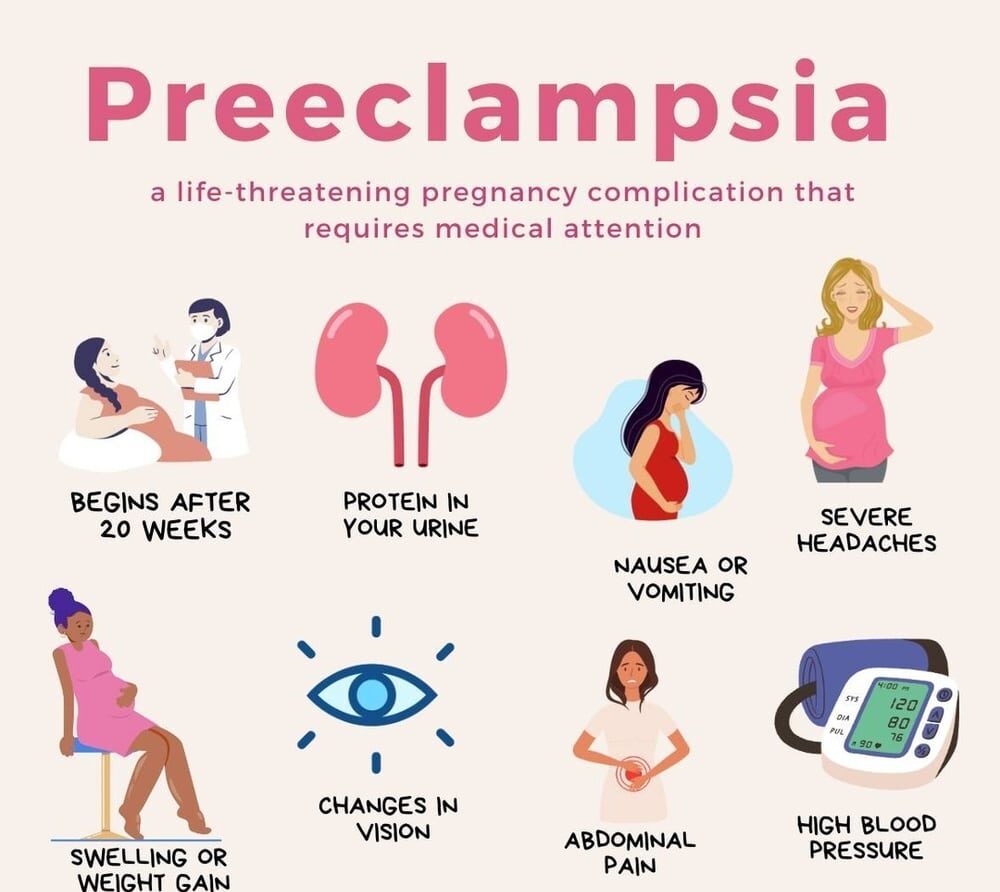
Preeclampsia is a serious pregnancy complication involving high blood pressure. It typically develops after twenty weeks of pregnancy. Left untreated, it can quickly become dangerous for both mother and baby.
This condition affects multiple organs, not just blood pressure alone. The kidneys, liver, and brain can all become involved. Recognizing this widespread impact helps explain why preeclampsia demands prompt attention.
Why Preeclampsia Is Considered So Serious
Unlike simple high blood pressure, preeclampsia involves widespread organ stress. It can progress rapidly, sometimes within days or even hours. This unpredictable progression makes monitoring throughout pregnancy absolutely essential.
What Causes Preeclampsia
Researchers haven’t identified one single cause for preeclampsia yet. However, most evidence points toward problems with placental blood vessels. These vessels sometimes fail to develop properly early in pregnancy.
This improper development limits blood flow to the placenta. Reduced blood flow likely triggers the inflammatory response seen in preeclampsia. Various other contributing factors also appear to play supporting roles.
Who Faces Higher Risk
First-time pregnancies carry a higher preeclampsia risk overall. Women with a history of high blood pressure also face increased susceptibility. Carrying multiples, like twins, further raises this risk significantly.
Additional Risk Factors to Know
Obesity before pregnancy increases preeclampsia likelihood considerably. A personal or family history of preeclampsia also raises risk. Additionally, women with diabetes or kidney disease face elevated susceptibility too.
Recognizing the Warning Signs
High blood pressure represents the defining symptom of preeclampsia. However, additional warning signs often accompany this primary symptom. Protein in the urine frequently indicates kidney involvement.
Severe headaches that won’t improve deserve immediate attention. Vision changes, like blurriness or seeing spots, can also occur. Sudden swelling in the hands, face, or feet sometimes develops rapidly too.
Symptoms That Require Emergency Care
Severe upper abdominal pain combined with headache needs urgent evaluation. Difficulty breathing or sudden, significant swelling also warrants immediate medical attention. These symptoms might indicate rapidly worsening preeclampsia or impending eclampsia.
Why Some Symptoms Get Overlooked
Mild swelling and fatigue often feel like normal pregnancy discomforts. This overlap sometimes delays recognition of more serious preeclampsia symptoms. Regular prenatal checkups help catch these warning signs early, regardless of symptom severity.
How Doctors Diagnose Preeclampsia
Diagnosis typically involves routine blood pressure checks during prenatal visits. Elevated readings prompt further testing for confirmation. Urine tests check for protein, indicating possible kidney stress.
Blood tests evaluate liver and kidney function more thoroughly. Doctors also monitor platelet levels, since preeclampsia can affect blood clotting. Combining these results helps confirm diagnosis and assess severity accurately.
Why Regular Prenatal Visits Matter So Much
Routine prenatal visits allow early detection of rising blood pressure. This early detection often catches preeclampsia before symptoms become severe. Consistent monitoring throughout pregnancy remains your best protective strategy.
Treatment Options for Preeclampsia
Treatment depends largely on how far along your pregnancy is. Close monitoring becomes essential once preeclampsia is diagnosed. Doctors track blood pressure, organ function, and baby’s wellbeing frequently.
Medication can help control blood pressure and prevent seizures. In some cases, hospitalization becomes necessary for closer observation. Ultimately, delivering the baby remains the only definitive cure for preeclampsia.
When Early Delivery Becomes Necessary
If preeclampsia becomes severe, doctors may recommend early delivery. This decision weighs risks to the mother against risks of premature birth. Your medical team will carefully balance both considerations.
Managing Mild Preeclampsia Until Delivery
For mild cases, doctors often recommend closer monitoring rather than immediate delivery. This includes frequent blood pressure checks and fetal monitoring. Bed rest or activity restrictions sometimes accompany this watchful approach.
Why Preeclampsia Can Become Life-Threatening
Without treatment, preeclampsia can progress to eclampsia, causing dangerous seizures. It can also lead to HELLP syndrome, affecting blood and liver function severely. Both complications require emergency medical intervention immediately.
Organ damage can become permanent if preeclampsia remains uncontrolled. The placenta may also fail to provide adequate nutrients and oxygen. Understanding these risks reinforces why prompt treatment truly saves lives.
Recognizing Progression Toward Eclampsia
Severe headaches, vision changes, and upper abdominal pain often precede seizures. Sudden confusion or altered consciousness represents another warning sign. Immediate medical attention can prevent this dangerous progression effectively.
Final Thoughts on Preeclampsia
Preeclampsia deserves serious attention throughout every pregnancy. Recognizing warning signs early significantly improves outcomes for both mother and baby. Regular prenatal care remains your strongest defense against this complication.
If you notice concerning symptoms, contact your doctor immediately. Don’t wait to see if symptoms improve on their own. With prompt diagnosis and treatment, most women and babies recover successfully.
Frequently Asked Questions
Can preeclampsia be prevented completely?
Preeclampsia can’t always be prevented completely, though certain steps help reduce risk. Low-dose aspirin sometimes helps high-risk women when started early. Regular prenatal care remains essential for early detection regardless.
Does preeclampsia go away after delivery?
Preeclampsia symptoms typically improve significantly within days after delivery. However, some women experience symptoms for several weeks postpartum. Close monitoring continues until blood pressure returns to normal.
Can preeclampsia affect future pregnancies?
Women who experience preeclampsia face higher risk in future pregnancies. However, many go on to have healthy subsequent pregnancies with closer monitoring. Discussing this history with your doctor helps guide future prenatal care.
Is preeclampsia the same as high blood pressure during pregnancy?
Preeclampsia involves more than just elevated blood pressure alone. It also includes organ involvement, like kidney or liver stress. Simple pregnancy-related high blood pressure, without these additional signs, differs from preeclampsia.
Can preeclampsia harm the baby even if the mother feels fine?
Yes, preeclampsia can affect the baby even when the mother feels relatively well. Reduced placental blood flow can limit the baby’s growth and oxygen supply. This is why regular monitoring remains essential, regardless of how the mother feels.
Disclaimer:
This article is for informational purposes only and does not replace professional medical advice. Please consult a qualified healthcare provider for diagnosis and treatment.
References:
- Thalassemia has distinctive symptoms related to severe anemia and organ damage.
- Turner syndrome is a genetic disorder affecting females caused by complete or partial absence of one X chromosome.
- On World Kidney Day, health experts are sounding the alarm about the dangers of processed foods and obesity on kidney health.
- Cerebral palsy has distinctive developmental delays and motor signs. Early signs (infancy). Delayed motor milestones.
- Antiphospholipid syndrome causes blood clots in arteries and veins throughout the body.
Observer Voice is the one stop site for National, International news, Sports, Editor’s Choice, Art/culture contents, Quotes and much more. We also cover historical contents. Historical contents includes World History, Indian History, and what happened today. The website also covers Entertainment across the India and World.

