

Body Dysmorphic Disorder: When the Mirror Becomes the Enemy

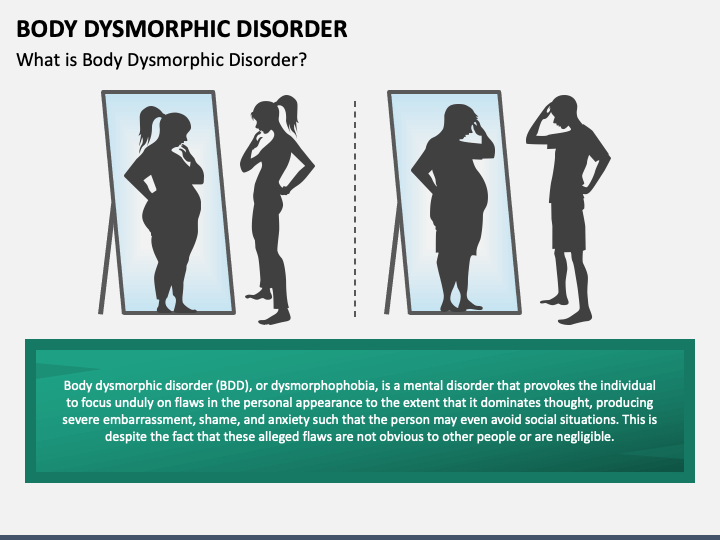
Glancing in the mirror is something most people do without much thought. For someone with body dysmorphic disorder, that same mirror can trigger hours of anguish, self-scrutiny, and despair. The reflection they see bears little resemblance to what others observe — and no amount of reassurance seems to change that.
Body dysmorphic disorder, known as BDD, is a serious mental health condition involving intense, consuming preoccupation with a perceived physical flaw. That flaw is invisible to others or far too minor to warrant concern. Yet for the person living with BDD, it feels overwhelmingly real, shameful, and impossible to ignore.
Understanding Body Dysmorphic Disorder
BDD sits within the obsessive-compulsive and related disorders category in the DSM-5, the standard manual used to diagnose mental health conditions. This classification reflects the condition’s core features: relentless intrusive thoughts about appearance and driven, repetitive behaviours that temporarily relieve anxiety without resolving it.
The Scale of the Problem
Research estimates BDD affects between 1.7% and 2.9% of the global population. That figure translates to tens of millions of people worldwide. Despite this prevalence, BDD remains widely underdiagnosed. Many people suffer for a decade or more before receiving an accurate diagnosis and appropriate care.
The condition typically emerges during adolescence. Studies indicate the average onset occurs between ages 12 and 13, though the disorder often goes unrecognised until adulthood. Early identification remains one of the most important goals in improving outcomes for people with BDD.
Who Develops BDD?
BDD affects people across all genders, ages, cultures, and backgrounds. Contrary to common assumptions, it is not significantly more common in women than in men. Research suggests roughly equal prevalence across genders, though presentations differ. Men more commonly experience muscle dysmorphia — an intense preoccupation with muscularity and body size — while women more often report concerns focused on facial features and skin.
Genetic factors, neurobiological differences, and life experiences including trauma, bullying, and exposure to unrealistic appearance standards all contribute to BDD risk. No single cause explains the condition fully.
What BDD Feels Like from the Inside
Understanding BDD requires moving beyond clinical definitions. The lived experience of this disorder is one of relentless distress, shame, and functional impairment that others rarely perceive from the outside.
The Preoccupation That Never Stops
People with BDD describe their appearance-related thoughts as intrusive and deeply difficult to control. These thoughts appear uninvited, repeat continuously, and resist efforts to dismiss them. On average, people with BDD spend three to eight hours each day preoccupied with their perceived flaw.
This preoccupation is not enjoyable or self-indulgent. It is exhausting, distressing, and profoundly disruptive. Many people with BDD struggle to concentrate at work or school, maintain relationships, or complete basic daily tasks because the thoughts dominate so much mental space.
Repetitive Behaviours and Rituals
BDD drives repetitive behaviours that mirror the compulsions seen in OCD. Mirror checking is among the most common — people repeatedly examine their perceived flaw, sometimes for hours each day. Others avoid mirrors entirely, finding the reflection too distressing to face.
Skin picking, excessive grooming, seeking reassurance from others, and meticulously comparing their appearance to people nearby also feature prominently. These behaviours temporarily reduce anxiety, but the relief never lasts. The cycle of preoccupation and ritual reinforces itself over time, making BDD progressively more consuming.
Avoidance and Social Withdrawal
Many people with BDD withdraw from social situations to avoid exposure of their perceived flaw. They may refuse to appear in photographs, avoid bright lighting, cancel plans, or stop attending work or school entirely during severe episodes.
This avoidance narrows life significantly. Relationships, careers, and educational achievement all suffer. The isolation avoidance creates then worsens depression and compounds overall distress, creating a damaging cycle that extends well beyond the original appearance concerns.
Common Areas of Preoccupation in BDD
BDD can centre on any body part. However, certain areas appear far more frequently in clinical presentations than others.
Facial Features and Skin
Concerns about the nose, skin, hair, eyes, lips, and overall facial symmetry are among the most commonly reported preoccupations in BDD. Skin concerns are particularly prevalent — people may fixate on perceived pores, texture, colour, scarring, or blemishes that others cannot detect.
This is why BDD frequently drives people toward dermatologists and cosmetic surgeons before they ever reach a mental health professional. Studies estimate that between 7% and 15% of people seeking cosmetic procedures meet diagnostic criteria for BDD. Procedures rarely resolve the distress and often shift focus to a new perceived flaw.
Body Shape and Muscle Dysmorphia
Concerns about body shape, size, and weight can intersect with BDD, particularly in men. Muscle dysmorphia is a recognised BDD subtype in which a person believes their body is inadequately muscular despite often having a highly developed physique.
People with muscle dysmorphia may train compulsively, restrict their diet rigidly, use performance-enhancing substances, and miss important life events to avoid disrupting their exercise schedule. This subtype is frequently overlooked in clinical practice, particularly in sporting and fitness environments where extreme training is normalised.
Less Obvious Preoccupations
BDD preoccupations are not always immediately recognisable. Some people fixate on perceived asymmetry in hands, the appearance of veins, the shape of knees, or the smell of their skin — even in the absence of any odour others can detect. This last presentation, called olfactory reference syndrome, occasionally overlaps with BDD.
The range of possible preoccupations is vast. Clinicians must ask specifically and sensitively about appearance-related distress rather than waiting for patients to volunteer this information.
BDD and Co-Occurring Mental Health Conditions
BDD rarely exists in isolation. The majority of people with BDD live with at least one other mental health condition, and often several. Recognising and treating these conditions simultaneously is essential.
Depression and Suicidal Risk
Depression is the most common condition occurring alongside BDD. The combination of relentless self-focused distress, social isolation, and functional impairment creates fertile ground for depressive episodes. Research indicates that lifetime rates of major depression among people with BDD exceed 75%.
Critically, suicide risk is significantly elevated in BDD. Studies published in peer-reviewed journals report suicidal ideation rates of 45% to 70% among people with BDD, with completed suicide rates substantially higher than in the general population. This elevated risk makes early, accurate identification an urgent clinical priority.
Anxiety Disorders
Social anxiety disorder and generalised anxiety disorder frequently co-occur with BDD. People with BDD often fear scrutiny and negative evaluation by others, which overlaps with social anxiety. However, in BDD the fear centres specifically on appearance, while social anxiety encompasses broader social situations.
Distinguishing between these conditions and treating each appropriately ensures more complete care. Addressing only one while ignoring the other limits recovery.
OCD and BDD
OCD and BDD share so many features that clinicians sometimes confuse the two. Both involve intrusive thoughts and repetitive, anxiety-driven behaviours. The key distinction lies in content — OCD covers diverse themes while BDD focuses exclusively on appearance. Both conditions can occur simultaneously, and both respond to overlapping but not identical treatment approaches.
Why BDD Is So Frequently Missed
Despite affecting millions of people, BDD remains dramatically underdiagnosed. Several interconnected factors drive this persistent diagnostic gap.
Shame and Secrecy
Shame is the most powerful barrier between people with BDD and accurate diagnosis. Many people genuinely believe their concerns are too trivial to raise with a clinician. They fear being dismissed as vain or superficial — a fear reinforced by cultural messages that appearance concerns are self-indulgent.
As a result, most people with BDD conceal their preoccupations carefully. They may present to healthcare providers with depression, anxiety, or skin complaints without ever mentioning the appearance distress driving those presentations. Clinicians who do not specifically screen for BDD will consistently miss it.
Cosmetic and Dermatology Settings
People with BDD frequently seek help from cosmetic surgeons, dermatologists, and dentists rather than mental health professionals. They understand their distress as a physical problem requiring a physical solution. Clinicians in these settings are not always trained to recognise BDD or to respond in ways that support mental health referral.
Implementing brief BDD screening tools in cosmetic and dermatology settings could identify many people who would otherwise never receive a correct diagnosis.
Clinician Knowledge Gaps
Many healthcare providers receive limited training in BDD during their education. General practitioners, school counsellors, and even psychiatrists may not probe specifically for appearance-related obsessions during routine assessments. Expanding BDD literacy across healthcare disciplines is essential to closing the diagnostic gap.
Evidence-Based Treatments for Body Dysmorphic Disorder
Effective treatments for BDD exist and work well when properly applied. Both psychological therapy and medication carry strong evidence. Recovery is a realistic goal, not an aspiration.
Cognitive Behavioural Therapy Designed for BDD
CBT adapted specifically for BDD is the leading psychological treatment. This approach incorporates exposure and response prevention — the same technique central to OCD treatment. Patients gradually face feared situations without performing compulsive rituals such as mirror checking, skin picking, or reassurance seeking.
Over time, the brain learns that the anticipated catastrophe does not occur and that anxiety subsides naturally without rituals. This process reduces the power of appearance-related thoughts and breaks the compulsive cycles that maintain BDD. Multiple randomised controlled trials confirm CBT’s effectiveness for BDD across age groups and symptom severities.
Challenging Distorted Appearance Beliefs
The cognitive component of CBT helps patients examine and restructure the beliefs driving BDD. These beliefs commonly include the idea that appearance determines personal worth, that others constantly notice and judge their perceived flaw, and that certainty about appearance is both necessary and achievable.
Therapists guide patients to evaluate these beliefs as hypotheses rather than facts, test them against evidence, and develop more balanced and flexible ways of relating to their appearance and self-worth. This cognitive work supports and deepens the gains made through exposure-based exercises.
SSRI Medication for BDD
Selective serotonin reuptake inhibitors, commonly known as SSRIs, are the medication class with the strongest evidence for BDD treatment. Fluoxetine and clomipramine have the most robust research support. Both the International OCD Foundation and NIMH recommend SSRIs as a first-line treatment option, either alongside CBT or as a standalone intervention.
Higher SSRI doses are typically required for BDD than for depression, and response often takes 12 or more weeks. Patience and consistent follow-up are important during the medication phase of treatment.
Combining Therapy and Medication
Combining CBT with SSRI medication generally produces better outcomes than either treatment used alone. This is particularly true for people with moderate to severe BDD, those with significant depression, or those who have not responded adequately to a single treatment approach.
Specialist BDD treatment centres offer intensive programmes for people whose symptoms have not responded to standard outpatient care. These programmes deliver concentrated CBT over short, intensive periods and show strong outcomes even in treatment-resistant cases.
Supporting Recovery from BDD
Recovery from BDD involves more than symptom reduction. It requires rebuilding a relationship with oneself that does not hinge on appearance, reconnecting with life activities that BDD has eroded, and developing resilience against future episodes of distress.
The Role of Loved Ones
Family members and close friends of someone with BDD often participate unknowingly in compulsive cycles. Providing repeated reassurance about appearance — “You look fine, stop worrying” — becomes part of the ritual that maintains BDD rather than helping to break it.
Supportive loved ones learn to acknowledge the person’s distress without confirming the accuracy of their appearance beliefs and without engaging in reassurance rituals. Organisations such as the Body Dysmorphic Disorder Foundation offer guidance specifically for families navigating this challenging position.
Building a Life Beyond Appearance
A central goal of BDD recovery is shifting identity and self-worth away from appearance. Therapy supports people in reconnecting with values, relationships, and activities that matter independently of how they look. This shift does not happen overnight, but it forms the foundation of durable recovery.
Peer support communities, including those facilitated by the International OCD Foundation and Anxiety and Depression Association of America, provide connection with others who understand BDD firsthand. This sense of community reduces isolation and reinforces hope throughout the recovery process.
Frequently Asked Questions
Is body dysmorphic disorder a form of vanity?
BDD is not vanity. Vanity involves pride in or satisfaction with one’s appearance. BDD causes profound shame, distress, and dysfunction focused on a perceived flaw. People with BDD are not admiring themselves — they are trapped in a cycle of painful self-scrutiny. Dismissing BDD as superficiality is both inaccurate and harmful to people seeking help.
Can BDD affect a person’s physical health?
Yes, BDD can harm physical health in multiple ways. People with muscle dysmorphia may use anabolic steroids, overtrain, and under-eat, causing serious physical consequences. Skin picking, which drives many people with BDD to damage their skin significantly, can result in infections and scarring. Sleep disruption, appetite changes, and neglect of healthcare also follow from severe BDD.
How is BDD diagnosed?
Clinicians diagnose BDD through detailed clinical interviews examining the content, frequency, and impact of appearance preoccupations. Validated tools such as the Body Dysmorphic Disorder Questionnaire support screening, while the Yale-Brown Obsessive Compulsive Scale modified for BDD helps assess severity. No blood test or imaging confirms BDD. Accurate diagnosis requires a trained clinician who asks sensitively and specifically about appearance-related distress.
Does cosmetic surgery help BDD?
Research consistently shows that cosmetic procedures do not resolve BDD and frequently worsen it. After a procedure, the preoccupation typically shifts to a different feature, or the person becomes convinced the surgery produced a poor result. People with active BDD should not undergo elective cosmetic procedures. Addressing BDD through evidence-based mental health treatment first is the appropriate path.
Can BDD develop in response to bullying?
Bullying about appearance, particularly during childhood and adolescence, can contribute to BDD development in people with underlying vulnerability. However, not everyone who experiences appearance-based bullying develops BDD, and BDD can develop without any history of bullying. The condition reflects a combination of genetic predisposition, neurobiological factors, and environmental experiences rather than any single cause.
Is recovery from BDD realistic?
Recovery is absolutely realistic. Research tracking people with BDD through treatment consistently demonstrates meaningful symptom reduction with appropriate CBT and medication. Many people achieve full remission and sustain it over the long term. The most important predictor of recovery is accessing evidence-based treatment from a clinician with specific BDD expertise. The sooner treatment begins, the better the outlook tends to be.
Conclusion
Body dysmorphic disorder causes suffering that is invisible to the people around the person experiencing it and often invisible to healthcare systems that are not trained to look for it. The mirror that most people glance at without distress becomes, for someone with BDD, a source of daily anguish, shame, and lost hours.
This is not a trivial condition. The elevated rates of depression, functional impairment, and suicide risk associated with BDD make timely diagnosis and effective treatment genuinely urgent. The good news is that treatment works. CBT adapted for BDD and SSRI medication have transformed outcomes for people who access them.
Reducing stigma, improving clinician training, and implementing screening in cosmetic and dermatology settings can together ensure that more people reach the help they need. BDD deserves serious clinical attention, public understanding, and compassionate care.
References
- Body dysmorphic disorder, commonly called BDD, causes a person to become intensely preoccupied with a perceived flaw in their appearance.
- Borderline personality disorder is a mental health condition marked by intense emotional swings, unstable relationships, a fragile sense of self, and impulsive behaviour.
- The flooding has caused significant damage to critical infrastructure, complicating rescue and relief efforts.
Disclaimer:
This article is for informational purposes only and does not constitute medical advice. Always consult a qualified healthcare professional for diagnosis, treatment, or any mental health concerns.
Observer Voice is the one stop site for National, International news, Sports, Editor’s Choice, Art/culture contents, Quotes and much more. We also cover historical contents. Historical contents includes World History, Indian History, and what happened today. The website also covers Entertainment across the India and World.

