

Intense Debate Erupts Over Causes of Air India Flight 171 Crash

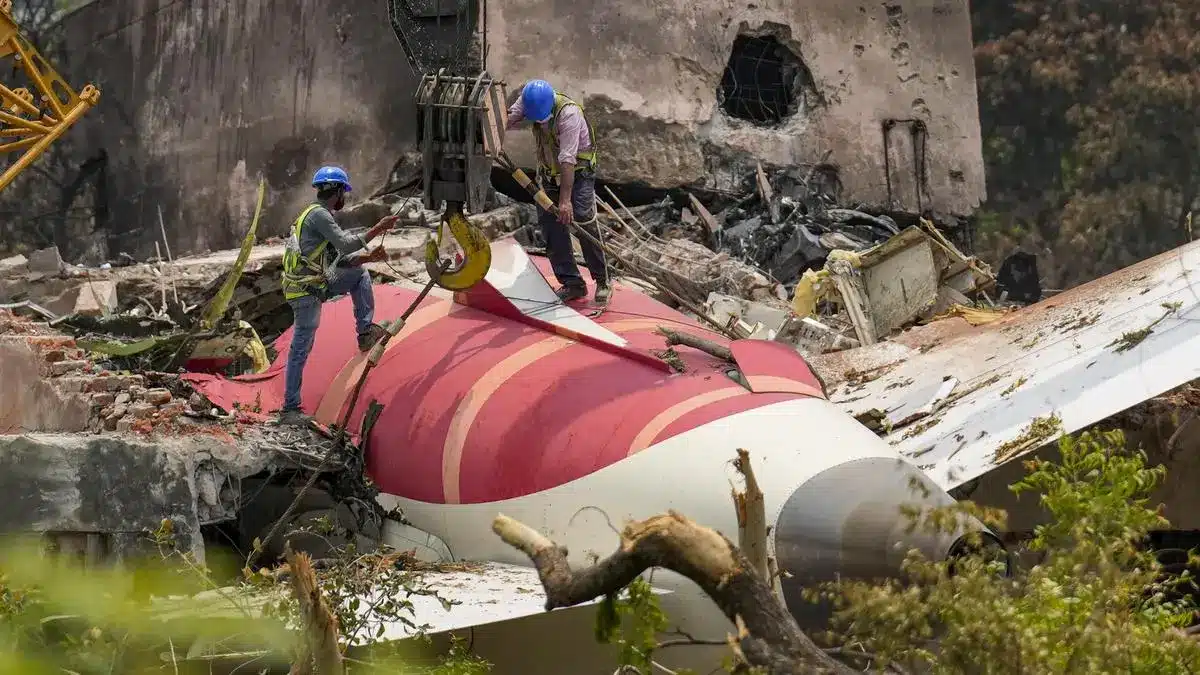
A year ago, Air India Flight 171 tragically crashed just moments after departing from Ahmedabad airport in Gujarat, en route to London, resulting in the loss of 260 lives. The subsequent investigation has ignited significant controversy, raising questions about its integrity and the potential for conflicts of interest. As the investigation unfolds, many are calling for a reevaluation of how air crash inquiries are conducted, particularly in light of past contentious cases.
Flight Details and Immediate Aftermath
On June 12, 2022, Air India Flight 171 took off from Sardar Vallabhbhai Patel Airport, carrying 230 passengers, including 53 British citizens, along with a crew of 10. The flight was piloted by Captain Sumeet Sabharwal, a veteran with extensive experience, and First Officer Clive Kunder. Tragically, just 32 seconds after takeoff, the aircraft crashed, claiming the lives of all but one person on board, as well as 19 individuals on the ground.
CCTV footage captured the plane’s takeoff, which appeared normal initially. However, instead of ascending, the aircraft seemed to hover before descending rapidly. The footage ended with a catastrophic explosion, marking the disaster’s severity. Despite the visual evidence, the precise cause of the crash remains unclear, prompting the Aircraft Accident Investigation Bureau (AAIB) of India to undertake the investigation mandated by international aviation law.
Investigation Process and Controversies
The AAIB, part of India’s Ministry of Civil Aviation, is responsible for determining the cause of the crash. Under international regulations, the country where the accident occurs leads the investigation, but other nations, such as the United States, can participate as accredited representatives. In this case, the U.S. National Transportation Safety Board (NTSB) and technical experts from Boeing and GE Aerospace were involved.
While the investigation’s primary goal is to prevent future accidents rather than assign blame, the stakes are high. Boeing, already facing scrutiny over safety issues, is concerned about the reputation of its 787 Dreamliner, which had previously maintained a strong safety record. Air India, now under the Tata Group, is also wary of further damage to its brand, while families of the victims seek answers about their loved ones’ tragic fate.
The investigation has faced backlash, particularly following the release of a preliminary report that failed to draw definitive conclusions. Critics argue that the report’s findings, especially regarding the pilots’ actions, have fueled speculation and controversy. The report indicated that fuel cutoff switches were activated shortly after takeoff, leading to a rapid loss of engine thrust. This revelation has sparked intense debate about the pilots’ roles, with some media outlets suggesting a deliberate act, a claim that has been met with strong opposition from various stakeholders.
Competing Theories and Calls for Transparency
As the investigation continues, competing theories regarding the crash have emerged. Some aviation experts and safety advocates argue that the incident may have stemmed from a significant electrical failure rather than pilot error. They suggest that the aircraft’s systems could have malfunctioned, leading to an erroneous shutdown of the fuel supply. This theory is supported by reports of prior electrical issues with the aircraft, which Air India has denied.
Investigative journalist Rachel Chitra has highlighted inconsistencies in the preliminary report, suggesting that the aircraft’s systems may have misinterpreted its altitude due to a reboot of the main flight computers. Lawyers representing victims’ families have also raised concerns about the timing of the emergency power system’s activation, questioning the narrative that the pilots were solely responsible for the crash.
The AAIB has faced criticism for its handling of the investigation, with calls for greater transparency and accountability. The preliminary report’s lack of definitive conclusions has led to accusations of bias and a potential cover-up to protect corporate interests. As the anniversary of the crash approaches, the AAIB is expected to release an update, but skepticism remains about whether it will address the myriad concerns raised during the inquiry.
Future of Air Crash Investigations
The ongoing controversy surrounding the AI171 investigation has sparked broader discussions about the effectiveness and integrity of air crash inquiries. Critics argue that the current system, which often places the responsibility for investigations in the hands of the country where the accident occurs, can lead to conflicts of interest and hinder impartiality.
The International Civil Aviation Organization (ICAO) has recognized these challenges and proposed changes to improve transparency and accountability in future investigations. However, many experts believe that more fundamental reforms are necessary to ensure that investigations are conducted independently and effectively.
As the aviation industry continues to evolve, the need for a global approach to air crash investigations becomes increasingly apparent. Advocates for reform argue that establishing an independent global investigation authority could help address the complexities of modern aviation and enhance safety for passengers worldwide. The AI171 tragedy serves as a poignant reminder of the critical importance of thorough and unbiased investigations in the pursuit of aviation safety.
Observer Voice is the one stop site for National, International news, Sports, Editor’s Choice, Art/culture contents, Quotes and much more. We also cover historical contents. Historical contents includes World History, Indian History, and what happened today. The website also covers Entertainment across the India and World.
Follow Us on Twitter, Instagram, Facebook, & LinkedIn

