

Irritable Bowel Syndrome (IBS): Types, Triggers, and What Actually Helps

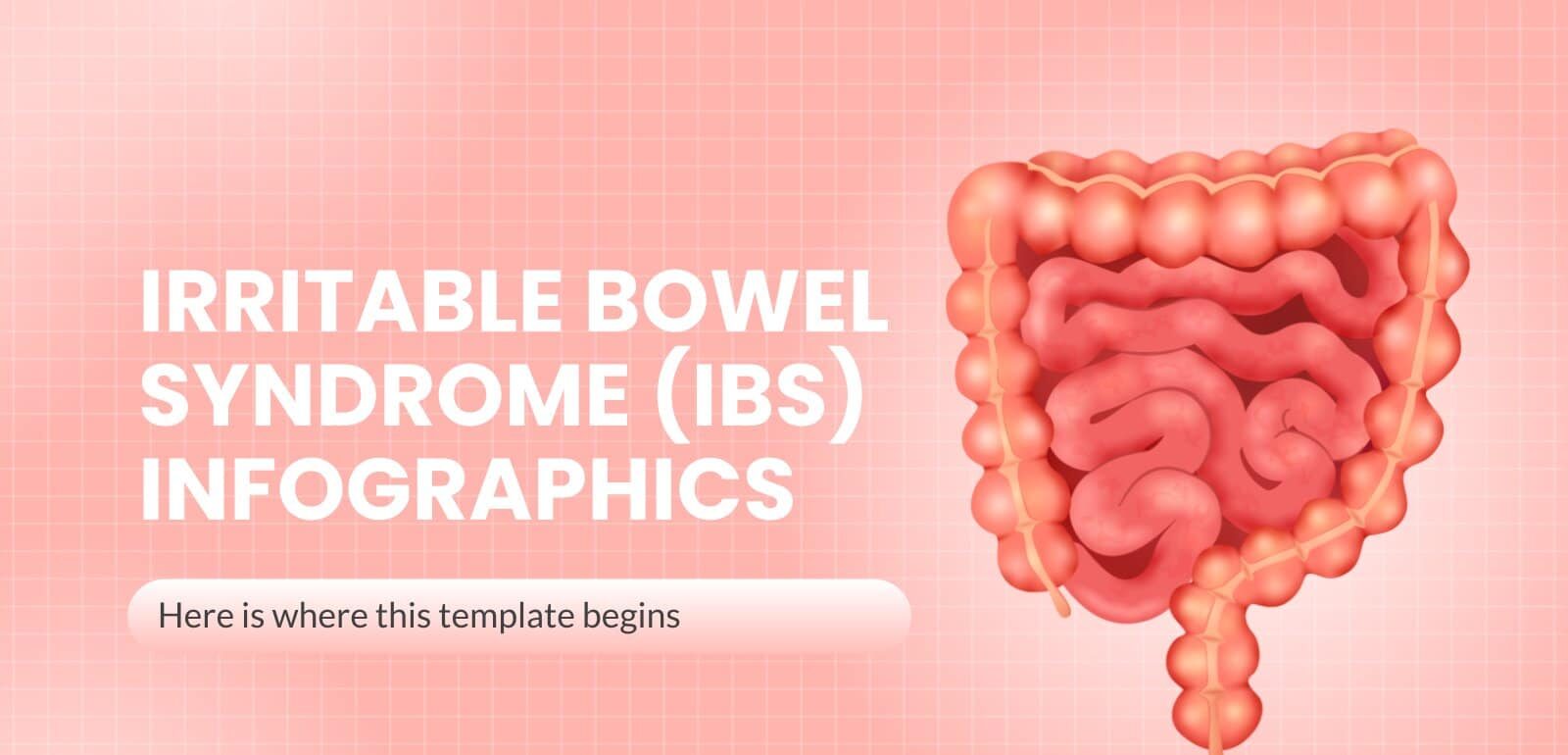
Imagine a young woman experiencing chronic abdominal pain, bloating, and alternating diarrhea and constipation for years. She has visited multiple physicians. Undergone extensive testing. Colonoscopy. Upper endoscopy. Imaging. CT scans. Dietary trials. Everything normal. No inflammation. No infection. No cancer. Diagnosis remains elusive. She is frustrated. Physicians are puzzled. Eventually she is told “it’s all in your head” or “it’s stress.” She feels invalidated. Her symptoms are real. The pain is real. The disruption to her life is real. Yet no structural abnormality explains the symptoms. Finally, a gastroenterologist recognizes Rome IV criteria for irritable bowel syndrome (IBS). Diagnosis: IBS-mixed type. She is informed that IBS is a functional bowel disorder—the bowel is structurally normal but functionally disordered. Gut motility abnormal. Visceral pain sensation heightened. Gut-brain axis dysregulation. The physician prescribes low-FODMAP diet. Cognitive-behavioral therapy. Antispasmodic medications. Probiotics. She experiences dramatic improvement. Pain reduces 70 percent. Bowel habits normalize. Quality of life improves markedly. She returns to work, social activities, and normal life. Understanding IBS enables appropriate diagnosis and targeted management preventing years of diagnostic wandering and enabling rapid symptom improvement. Irritable bowel syndrome (IBS) is a functional gastrointestinal disorder characterized by chronic abdominal pain or discomfort and altered bowel habits without structural abnormality. IBS affects approximately 10 to 15 percent of the global population. Approximately 50 to 100 million Americans have IBS. IBS is one of the most common gastrointestinal disorders encountered in clinical practice. What makes IBS important to understand is recognizing that while it is not life-threatening and does not cause inflammation or permanent damage, it significantly impacts quality of life, work productivity, and psychological well-being. Early recognition and appropriate management enable dramatic symptom improvement and quality of life restoration. Understanding IBS enables appropriate diagnosis, differentiation from inflammatory bowel disease, and targeted management improving quality of life. In this comprehensive article, we will explore what IBS is, understand the three IBS types and their distinguishing features, recognize common triggers, explore diagnostic criteria, and discover evidence-based treatments that actually help.
Understanding the Gut-Brain Axis and IBS Pathophysiology
Before we explore IBS, we need to understand the gut-brain axis and the mechanisms underlying IBS symptom development. The gut-brain axis. Bidirectional communication. Brain. Gut. Nervous system. Enteric nervous system (ENS). Gut wall. Intrinsic neurons. Approximately 500 million. Autonomic nervous system. Parasympathetic. Sympathetic. Vagus nerve. Major pathway. Brain signals. Gut. Transmitted. Spinal cord. Autonomic nerves. Enteric nervous system. Local regulation. Gut function. Motility. Secretion. Sensory feedback. Gut. Brain. Transmitted. Vagus nerve. Spinal pathways. Pain signals. Processed. Brainstem. Limbic system. Cortex. Emotional response. Pain perception. Modulation. Stress. Emotional state. Influence. Gut function. Reciprocal. Gut dysfunction. Stress response. Amplified. Neurotransmitters. Serotonin. GABA. Dopamine. Produced. Gut. Brain. Enteric nervous system. 95 percent. Serotonin. Produced. Gut epithelium. Enterochromaffin cells. Serotonin. Regulates. Gut motility. Secretion. Sensory perception. Intestinal barrier function. Tight junctions. Epithelial cells. Paracellular pathway. Barrier integrity. Zonula occludens-1 (ZO-1). Tight junction protein. Regulates. Barrier permeability. Increased permeability. Intestinal barrier. Dysbiosis. Dysregulation. Associated. Gut microbiota. Bacterial composition. 39 trillion bacteria. Trillions. Gut lumen. Diversity. Stability. Health. Important. Dysbiosis. Microbial imbalance. IBS. Associated. Pathogenic bacteria. Overgrowth. Beneficial bacteria. Reduction. Dysbiosis. Occurs. Intestinal barrier dysfunction. Increased permeability. Bacterial lipopolysaccharide (LPS). Gram-negative bacteria. Leaks. Epithelial barrier. Systemic circulation. Immune activation. Low-grade inflammation. Microinflammation. Mucosal immune activation. T cells. Mast cells. Elevated. Cytokines. TNF-alpha. IL-6. IL-8. Elevated. Visceral pain. Amplified. Mast cell activation. Histamine release. Neuronal sensitization. Amplification. IBS pathophysiology mechanisms. Altered gut motility. Intestinal muscles. Abnormal contractions. Muscle spasm. Cramping. Pain. Accelerated transit. Diarrhea. Delayed transit. Constipation. Motility patterns. Disorganized. High-amplitude propagated contractions (HAPCs). Abnormal. Frequency. Duration. Amplitude. Gut sensitivity dysregulation. Visceral hypersensitivity. Heightened pain response. Distension. Minimal. Pain. Severe. Normal distension volume. Triggers. Severe pain. Somatic vs. visceral. Visceral. Pain. Diffuse. Referred. Difficult to localize. Hypersensitivity. Peripheral. Spinal cord. Central. Multiple levels. Sensitization. Occurs. Stress hormones. Cortisol. Adrenaline. Gut inflammation. Neuronal sensitization. Amplification. Barrier dysfunction. Increased permeability. Intestinal barrier. Dysbiosis-induced. LPS. Bacterial translocation. Epithelial tight junction dysfunction. Dysregulation. Zonula occludens proteins. Claudins. Occludin. Permeability. Increased. Functional MRI studies. IBS patients. Gut stimuli. Brain activation. Enhanced. Pain processing regions. Anterior cingulate cortex. Anterior insula. Amygdala. Heightened activity. Normal controls. Greater. Brain-gut dysregulation. Functional connectivity. Altered. IBS. Central sensitization. Abnormal pain amplification. Spinal cord. Brain processing. Pain signals. Amplified. Descending pain modulation. Impaired. Endogenous opioid system. Deficient. Pain suppression. Ineffective. Psychological factors. Stress. Anxiety. Depression. IBS. Associated. Gut function. Directly modulate. Stress hormones. Alter. Gut motility. Sensitivity. Barrier permeability. Psychological therapy. IBS. Benefits. Suggests. Bidirectional. Relationship. The pathophysiology explains why IBS involves multiple mechanisms beyond simple inflammation.
What is Irritable Bowel Syndrome?
Irritable bowel syndrome (IBS) is a functional gastrointestinal disorder characterized by chronic abdominal pain or discomfort and altered bowel habits without structural, inflammatory, or infectious abnormality. Definition. Rome IV criteria. Abdominal pain or discomfort. Onset. At least 6 months prior. Present 3 or more days. Month. For last 3 months. Associated. Altered bowel habits. Change. Stool frequency. Stool form. Defecation urgency. Incomplete evacuation. Mucus in stool. Possible. Pain. Associated. Defecation. Usually relieved. Or worsened. Altered bowel habits preceding. Or accompanying. Pain. Distinction. Inflammatory bowel disease. IBD. Crohn disease. Ulcerative colitis. Structural abnormality. Inflammation. Histologic. Visible. Colonoscopy. Biopsy. IBS. No inflammation. Structurally normal bowel. Functionally abnormal. Classification. IBS-D. Diarrhea-predominant. Stool consistency. Type 6 or 7. Bristol stool scale. Greater than 25 percent. Defecations. Hard stool. Less than 25 percent. Prevalence. Approximately 30 to 40 percent. IBS patients. Most common. North America. IBS-C. Constipation-predominant. Hard. Lumpy stool. Type 1 or 2. Bristol stool scale. Greater than 25 percent. Defecations. Loose. Watery stool. Less than 25 percent. Prevalence. Approximately 25 to 35 percent. IBS patients. Most common. South Asia. Middle East. IBS-M. Mixed. Both diarrhea. Constipation. Stool pattern. Alternating. Prevalence. Approximately 25 to 35 percent. IBS patients. IBS-U. Unclassified. Symptoms. IBS criteria. But stool pattern. Does not fit. Other subtypes. Rare. Less than 10 percent. IBS patients. Subtype. Varies. Time. Symptom severity. Fluctuates. Triggers change. Subtype transitions. Possible. Some patient history. Subtype stability. Other change. Remission. Symptoms resolve. Possible. Approximately 20 percent. IBS patients. Remission. Year. Others. Chronic. Progressive. Or stable. Clinical course. Variable. Individual. Prevalence. IBS. Approximately 10 to 15 percent. Global population. Approximately 50 to 100 million Americans. Prevalence. Female predominance. Approximately 1.5:1 to 2:1 ratio. Women to men. Age. IBS. Typically diagnosed. Age 20 to 50. Peak incidence. Age 30 to 40. Symptom onset. Adolescence. Childhood. Possible. Diagnosis. Often delayed. Diagnostic criteria. Rome IV. Published 2016. Revised. 2021. Widely used. Standardized assessment. IBS. Diagnostic criteria. Clinical. Laboratory testing. Imaging. Not diagnostic. Used. Rule out. Alternative diagnoses. Associated symptoms. Bloating. Abdominal distension. Mucus in stool. Incomplete evacuation. Urgency. Symptoms. Meal-related. Worse. Eating. Relief. Bowel movement. Sleep disruption. Possible. Pain. Night-time symptoms. Awakening. Uncommon. If present. Alternative diagnosis. Consider. Systemic symptoms. Fever. Weight loss. Bleeding. Not IBS. Red flags. Organic disease. Investigation. Important. Depression. Anxiety. Psychological symptoms. Associated. Approximately 50 to 90 percent. IBS patients. Psychiatric comorbidity. Quality of life. Significantly impacted. Work. Social. Relationships. Affected. Absenteeism. Work. School. Common. Disability. Severe. Possible. The clinical features vary widely from mild manageable to severely disabling depending on symptom severity and frequency.
Recognizing IBS: Symptoms, Types, and Clinical Presentations
IBS has variable presentations recognizable by chronic abdominal pain and altered bowel habits without structural abnormality. IBS-D (diarrhea-predominant) presentation. Chronic diarrhea. Loose watery stools. Multiple daily. 3 to 8 bowel movements. Daily typical. Urgency. Sudden. Pressing. Defecation. Immediate. Cannot delay. Accidents. Possible. Fecal incontinence. Occasional. Embarrassment. Social impact. Significant. Abdominal pain. Associated. Usually cramping. Lower abdomen. Left lower. Right lower. Variable. Meal-related. Often. 30 minutes. 2 hours. Post-eating. Pain. Relief. Defecation. Typical. Bloating. Distension. Abdominal. Gas. Excessive. Urgency. Awakening. Night. Less common. If present. Consider. Inflammatory bowel disease. Other diagnoses. Mucus. Stool. Present sometimes. Visible. White. Clear. Stringy. Large amount. Unusual. Weight loss. Not typical. IBS-D. If present. Investigation. Important. Fatigue. Associated. Often. Sleep disruption. Possible. Anxiety. Worry. Defecation. Frequent bathroom access. Required. Fear. Accidents. Anticipatory anxiety. Worsens. Urgency. Vicious cycle. Develops. Stress. Flares. Obvious. Dietary triggers. Often. Spicy. Fatty. High-FODMAP foods. Trigger. Diarrhea. Worsening. Individual variation. Significant. Food diary. Helpful. Pattern identification. IBS-C (constipation-predominant) presentation. Chronic constipation. Hard. Lumpy stools. Infrequent. 1 to 3 bowel movements. Weekly typical. Straining. Effortful. Defecation. Difficulty. Incomplete evacuation. Sensation. Stool remains. Never fully evacuated. Feeling. Manual evacuation. Finger. Assistance. Required. Occasionally. Abdominal pain. Associated. Usually cramping. Often. Lower abdomen. Bloating. Distension. Severe. Abdominal. Gas. Trapped. Constipation. Associated. Abdominal discomfort. Diffuse. Variable. Often worse. Before. Menstruation. Females. Relief. Defecation. Typical. Mucus. Stool. Present. Small amounts. Pellet-like stool. Characteristic. Hard. Small. Passage. Difficult. Straining. Required. Defecation frequency. Predictable. Some. Morning bowel movement. Others. Infrequent. Days. Between. Fatigue. Possible. Associated. Nausea. Possible. But uncommon. Loss appetite. Not typical. Weight loss. Not IBS-C. Investigation. Important. Dietary triggers. Often. Low-fiber diet. Dehydration. Stress. Trigger. Constipation. Worsening. Exercise. Physical activity. Reduced. Associated. Constipation. Worsening. IBS-M (mixed type) presentation. Alternating bowel pattern. Diarrhea. Constipation. Varying. Weeks. Days. Variable. Individual pattern. Unpredictable. Some. Diarrhea predominates. Other periods. Constipation predominates. Abdominal pain. Associated. Often. Bloating. Distension. Significant. Variable. Worst. Periods. Diarrhea or constipation. Most severe. Mucus. Stool. Present sometimes. Urgency. Alternating. Urgency. Defecation. Straining. Constipation. Defecation. Unpredictability. Severity. Psychological. Impact. Significant. Anxiety. Elevated. Uncertainty. When symptoms. Occur. Work. Social planning. Difficult. Triggers. Multiple. Often. Diet. Stress. Hormones. Infections. Prior. Combinations. Symptoms. Flares. Worst. Stress periods. Dietary indiscretion. Both combined. Fatigue. Significant. Often. Emotional toll. Condition. Psychological. Symptoms. Common. Depression. Anxiety. Comorbid. Often. Psychological interventions. Benefit. Often. Physical examination findings. IBS patients. Usually normal. Abdominal examination. Abdominal distension. Possible. Bowel sounds. Normal. Hyperactive. Variable. Rebound tenderness. Guarding. Absent. If present. Peritonitis. Organic disease. Consider. Rectal examination. Normal. Usually. Blood. Mucus. Absent. If present. Investigation. Important. Severe anemia. Systemic illness signs. Not IBS. Red flags. Alternative diagnoses. Investigation. Necessary. The diverse presentations require clinical assessment and Rome IV criteria application for diagnosis.
Diagnosis: Rome IV Criteria and Testing to Exclude Organic Disease
Diagnosing IBS requires application of Rome IV criteria combined with selective testing to exclude organic disease. Rome IV criteria. Diagnostic criteria. Abdominal pain or discomfort. Onset 6 months or more prior. Present 3 or more days. Month. For last 3 months. Associated altered bowel habits. Criteria met. IBS likely. Additional investigations. Organic disease. Exclude. Important. Alarm features. Red flags. Investigate. Age greater than 60. Symptom onset. Recent. Fever. Weight loss. Bloody stool. Anemia. Iron deficiency. Family history. Colorectal cancer. Inflammatory bowel disease. Celiac disease. Examination findings. Abdominal mass. Lymphadenopathy. Systemic illness signs. Concerning. Investigation necessary. Laboratory testing. Complete blood count (CBC). Hemoglobin. Hematocrit. Anemia. Screen. MCV. Microcytic. Suggests. Iron deficiency. Investigation. Further. Platelet count. Elevated. Inflammatory bowel disease. Possible. White blood cells. Elevated. Infection. Inflammation. Possible. Comprehensive metabolic panel. Electrolytes. Kidney function. Liver function. Baseline assessment. Abnormality. IBS atypical. Organic disease. Consider. Tissue transglutaminase (tTG) antibody. Celiac disease. Screening. IBS. Overlap. Celiac. 3 to 10 percent. IBS patients. Celiac. Testing. Recommended. Particularly. Diarrhea-predominant. Malabsorption. Symptoms. C-reactive protein (CRP). Erythrocyte sedimentation rate (ESR). Inflammatory markers. Elevated. Inflammatory bowel disease. Likely. IBS. Usually normal. Faecal calprotectin. Fecal marker. Inflammation. Elevated. IBD. Suggests. IBS. Low usually. Negative predictive value. High. Faecal calprotectin. Normal. IBD unlikely. Testing. Recommended. Particularly. Diarrhea-predominant. IBD concern. Thyroid function. TSH. Free T4. Hypothyroidism. Constipation. Associated. Screening. Particularly. IBS-C. Important. Testing. Baseline. Colonoscopy. Indications. Age greater than 45 to 50. Depending guidelines. First screening. Alarm features. Present. Family history. Colorectal cancer. Inflammatory bowel disease. Screening appropriate. IBS diagnosis. Alone. Colonoscopy. Not indicated. Unnecessary testing. Avoided. Cost. Radiation. Contamination risk. Minimized. Small bowel imaging. Indications. Diarrhea-predominant. Weight loss. Vitamin deficiency. Suspected. Anemia. Severe. Capsule endoscopy. Video capsule. Small bowel visualization. Normal. Usually. IBS. Imaging. Abdominal imaging. CT. MRI. Indications. Alarm features. Examination findings. Concerning. Imaging. Usually normal. IBS. Imaging. Diagnostic tool. Not primary. Hydrogen breath testing. Lactose intolerance. FODMAP sensitivity. Assessment. Fructose malabsorption. Testing. Small intestinal bacterial overgrowth (SIBO). Breath test. Hydrogen. Methane. Measured. Fasting. Post-substrate. SIBO. Diagnosis. Controversial. Some patients. Benefit. SIBO treatment. Others. No improvement. Testing. Utility. Debated. Stool testing. Parasites. Ova. Cysts. Infection. If history. Travel. Diarrhea. Severe. Recently acquired. Testing. Otherwise. Utility. Limited. Probiotics. Microbiota. Dysbiosis. Assessment. Testing. Available. Limited evidence. Clinical utility. Diagnostic interpretation. Rome IV criteria. Met. IBS diagnosis. Likely. Alarm features. Absent. Testing. Reassuring. IBS diagnosis. Confirmed. Alarm features. Present. Organic disease. Likely. Investigation. Further. Indicated. Diagnosis. IBS likely. Structural abnormality. Excluded. Management. Initiation. Appropriate. The diagnosis requires Rome IV criteria application with selective testing to exclude organic disease.
Management: Evidence-Based Treatments That Actually Help
IBS management requires multimodal approach combining dietary modification, stress management, medications, and psychological therapy. Dietary management. Low-FODMAP diet. First-line. Evidence-based. Strong. FODMAP. Fermentable oligosaccharides. Disaccharides. Monosaccharides. And polyols. Poorly absorbed. Carbohydrates. Small intestine. Osmotic effect. Bacterial fermentation. Gas production. Bloating. Abdominal distension. Pain. Triggering. IBS-D. IBS-M particularly. Low-FODMAP diet. Restriction. High-FODMAP foods. 3 to 6 weeks. Initial. Symptom response. Assessed. Approximately 50 to 75 percent. IBS patients. Improvement. Significant. Pain. Bloating. Bowel habit. Normalization. Post-restriction phase. Reintroduction. Gradual. High-FODMAP foods. Tolerance identification. Individualized diet. Long-term. Sustainability. Important. Dietitian. Registered. Guidance. Helpful. FODMAP foods. Fruits. High. Apple. Pear. Mango. Watermelon. Fructose. Polyol. Vegetables. High. Onion. Garlic. Mushroom. Wheat. Legumes. Beans. Lentils. Oligosaccharides. Dairy. High. Milk. Soft cheese. Lactose. Sweeteners. High. Honey. Corn syrup. Sorbitol. Xylitol. Mannitol. Polyol. FODMAP foods. Meat. Fish. Eggs. Rice. Pasta. Low-lactose cheese. Hard. Vegetables. Carrot. Bell pepper. Cucumber. Fruit. Banana. Grape. Orange. Lactose-free products. Low-lactose. Nuts. Seed. Moderate. High-FODMAP. Elimination diet. Not recommended. Restrictive. Nutritional deficiency. Risk. Monotonous. Adherence. Difficult. Reintroduction. Identify. Foods tolerated. Psychological flexibility. Important. Dietary modifications. Other. Fiber supplementation. Soluble fiber. IBS-C. Beneficial. Insoluble fiber. IBS-D. Potentially worsening. Psyllium. Methylcellulose. Soluble. Gradual increase. Bloating. Gas. Initially. Tolerance. Builds. Gradual. Slow introduction. Important. Adequate hydration. 2 to 3 liters daily. Fluid intake. Constipation prevention. Important. Limiting caffeine. Alcohol. Fat. IBS-D. Helpful. Eating patterns. Regular meals. Skipping meals. Aggravates. Symptoms. Regular eating. Beneficial. Stress management. Cognitive-behavioral therapy (CBT). Excellent evidence. IBS. Symptom improvement. 50 to 70 percent. Studies. Pain. Bowel habits. Both. Improves. Cognitive distortions. Challenging. Catastrophizing. Thoughts. Changing. Coping strategies. Development. Problem-solving. Relaxation. Teaching. Therapist. Trained. CBT. Important. Gut-directed hypnotherapy. Strong evidence. IBS symptom improvement. Particularly. IBS-D. IBS-C. Pain. Bloating. Normalization. Bowel habits. Improvement. Hypnotherapy. Gut-directed. Specific. General relaxation. Different. Therapist. Trained. Gut-directed. Necessary. Mindfulness-based stress reduction (MBSR). Evidence. Mixed. Some benefit. Symptom improvement. Moderate. Mindfulness. Acceptance. Current symptoms. Rather than avoidance. Cultivation. Awareness. Non-judgmental. Helpful. Acceptance. Commitment therapy (ACT). IBS. Effective. Psychological flexibility. Values. Goals. Aligned. Despite. Symptoms. Ongoing. Distress. Reduced. Work. Social engagement. Improved. Relaxation techniques. Diaphragmatic breathing. Progressive muscle relaxation. Yoga. Tai chi. IBS. Beneficial. Stress reduction. Autonomic nervous system. Calming. Parasympathetic activation. Promotes. Home practice. Regular. Effectiveness. Enhanced. Exercise. Regular. Physical activity. IBS. Beneficial. Stress. Anxiety. Reduced. Bowel function. Improved. Mood. Enhanced. 30 minutes moderate. 5 days weekly. Target. Recommended. Medications. Antispasmodics. Dicyclomine. Hyoscyamine. Muscle spasm. Relaxation. Abdominal pain. Reduction. IBS symptom relief. Limited. Modest benefit. Some patients. Side effects. Anticholinergic. Dry mouth. Constipation. Drowsiness. Tolerance. Develops. Long-term use. Limited. Laxatives. IBS-C. Osmotic. Polyethylene glycol. Magnesium citrate. Stool softening. Osmotic effect. Bulk formation. Lactulose. Sorbitol. Osmotic. Frequent dosing. Required. Stimulant laxatives. Senna. Cascara. Short-term. Acceptable. Long-term. Dependence. Tolerance. Development. Risk. Fiber supplements. Soluble. Psyllium. Methylcellulose. Stool bulk. Increased. Bowel frequency. Improved. IBS-C. First-line. Loperamide. IBS-D. Antidiarrheal. Opioid. Reduces. Intestinal motility. Stool frequency. Decreased. Dependence. Risk. Long-term. Caution. Required. Short-term. Appropriate. Antidepressants. Tricyclic. Amitriptyline. Nortriptyline. Abdominal pain. Reduction. Visceral analgesia. Mechanism. Anticholinergic effect. Constipation. Possible. Low-dose. 10 to 50 mg. Evening. Standard dosing. Higher. Adverse effects. Risk. Selective serotonin reuptake inhibitors (SSRIs). Sertraline. Paroxetine. Fluoxetine. Depression. Anxiety. Treatment. IBS. Potential benefit. Evidence. Mixed. Individual variation. Significant. Tricyclic. IBS-C superior. SSRI. IBS-D. Superior. 4 to 6 weeks. Trial. Efficacy assessment. Important. Antispasmodic medications. Alosetron. 5-HT3 antagonist. IBS-D. Females. FDA approved. Abdominal pain. Stool frequency. Reduced. Ischemic colitis. Rare. Serious. Risk. Strict monitoring. Required. Ondansetron. 5-HT3 antagonist. Off-label. IBS-D. Some benefit. Limited. Guanylate cyclase agonists. Linaclotide. IBS-C. FDA approved. Stool frequency. Increased. Pain. Reduced. Plecanatide. IBS-C. Approved. Mechanism similar. Lubiprostone. Chloride channel activator. IBS-C. FDA approved. Stool frequency. Increased. Cramping. Pain. Possible. Probiotics. Beneficial bacteria. Dysbiosis. Correction. IBS. Benefit. Evidence. Mixed. Some strains. Benefit. Variable. Individual. Lactobacillus. Bifidobacterium. Saccharomyces. Studied. Quality. Regulation. Variable. Consistency. Doses. Products. Varies. Trial. 4 to 8 weeks. Efficacy assessment. Individual response. Guides. Continuation. Discontinuation. Antibiotics. SIBO. If present. Rifaxomicin. Neomycin. Short-term. Symptom improvement. Possible. Dysbiosis. Correction. Marginal. Long-term benefit. Limited. Recurrence. Symptom. Common. Post-treatment. Peppermint oil. Antispasmodic. IBS. Symptom relief. Modest. Enteric-coated. Stomach irritation. Prevention. Small bowel delivery. Ensured. GI side effects. Rare. But bloating. Gas. Possible. Trial. 4 weeks. Efficacy assessment. Psychopharmacology. Integration. Psychological therapy. Multimodal approach. Optimal. Medication. Psychological intervention. Combined. Synergistic. Benefit. Often. Greater. Than single modality. The comprehensive approach addresses multiple pathophysiologic mechanisms enabling significant symptom improvement.
Frequently Asked Questions (FAQs)
Q1: Is IBS the same as inflammatory bowel disease (IBD)?
No. Different. IBS. Functional disorder. No structural abnormality. No inflammation. Histology. Normal. Colonoscopy. Normal. IBD. Crohn disease. Ulcerative colitis. Inflammatory. Structural. Abnormality. Inflammation. Visible. Colonoscopy. Biopsy. Histologic. IBD. Serious. Complications. Perforation. Bleeding. Toxic megacolon. Possible. IBS. Non-inflammatory. Complications. Rare. Serious. Management. Different. IBS. Functional. Medical therapy. Psychological. IBD. Immunosuppression. Biological therapy. Often necessary. Distinction. Important. Diagnosis. Guides treatment.
Q2: Will IBS get worse over time?
Variable. IBS. Chronic. But progressive worsening. Not typical. Remission. Possible. Approximately 20 percent. IBS patients. Remission. Year to year. Others. Stable. Chronic. Fluctuation. Common. Flares. Triggered. Stress. Diet. Infections. Management. Appropriate. Symptom control. Often excellent. Quality of life. Good. Possible. Untreated. Symptoms. Persistent. Bothersome. Early intervention. Important. Symptom improvement. Rapid. Usually.
Q3: Can I eat normally with IBS?
Depends. Individual. Triggers. Variable. Low-FODMAP diet. Initial. Symptom control. Achieved. Reintroduction. Gradual. Tolerance. Individual. Identified. Personalized diet. Long-term. Sustainable. Most. Normal eating. Possible. With awareness. Triggers. Avoidance. Some. Dietary restriction. Permanent. Necessary. Sensitivity. Persistent. Education. Dietitian. Helpful. Normalization. Food relationship. Achieving. Without obsession. Important. Psychological flexibility. Valued.
Q4: Do medications cure IBS?
No cure. IBS. Chronic. Functional disorder. Permanent. Medications. Symptom management. Treatment. Not cure. Symptom relief. Medications. Effective. Often. Highly effective. Some. Abdominal pain. Reduced. Bowel habits. Normalized. Quality of life. Improved markedly. Without medications. Symptoms. Return. Usually. Long-term management. Medications. Psychological. Dietary. Combined. Optimal. Symptom control. Sustained. Important.
Q5: Is IBS all psychological?
No. Biological. Real. Gut dysfunction. Motility abnormality. Visceral hypersensitivity. Barrier dysfunction. Documented. Microbiota dysbiosis. Measurable. Neuroimaging. Brain. Changes. Demonstrable. IBS. Clearly biological. Psychological factors. Contribute. Stress. Anxiety. Gut function. Worsen. Psychological therapy. Effective. Addresses. Bidirectional relationship. Gut-brain axis. Real. Biological. Psychological. Both. Important. Dual mechanism. Recognition. Treatment. Integration. Optimal.
Key Takeaways
Irritable bowel syndrome (IBS) is functional disorder. Gut-brain axis dysregulation. Chronic abdominal pain. Altered bowel habits. Structural abnormality. Absent. Inflammation. Absent. Affects approximately 10 to 15 percent. Population. Approximately 50 to 100 million Americans. Female predominance. 1.5:1 to 2:1 ratio. Pathophysiology. Gut motility abnormality. Intestinal muscle. Disorganized contractions. Spasm. Cramping. Pain. Visceral hypersensitivity. Pain perception. Enhanced. Barrier dysfunction. Intestinal permeability. Increased. Dysbiosis. Microbiota imbalance. Immune activation. Microinflammation. Central sensitization. Pain amplification. Brain processing. Enhanced. Stress hormones. Gut function. Dysregulation. Types. IBS-D. Diarrhea-predominant. 30 to 40 percent. IBS patients. IBS-C. Constipation-predominant. 25 to 35 percent. IBS-M. Mixed. 25 to 35 percent. IBS-U. Unclassified. Less than 10 percent. Diagnosis. Rome IV criteria. Abdominal pain. Onset 6 months prior. Present 3 days. Month. Last 3 months. Associated altered bowel habits. Criteria met. IBS diagnosis. Likely. Laboratory testing. Selectively. Organic disease. Exclude. CBC. CMP. tTG antibody. Celiac screening. Faecal calprotectin. Inflammatory markers. Normal. Usually. Alarm features. Absent. Colonoscopy. Usually unnecessary. Red flags. Present. Investigation. Indicated. Management. Dietary. Low-FODMAP diet. First-line. 50 to 75 percent. Improvement. Significant. Fiber. Soluble. IBS-C beneficial. Hydration. Regular meals. Important. Psychological. CBT. Strong evidence. Hypnotherapy. Gut-directed. Effective. MBSR. ACT. Relaxation. Exercise. Beneficial. Medications. Antispasmodics. IBS pain reduction. Laxatives. IBS-C. Loperamide. IBS-D. Antidepressants. Tricyclic. Pain reduction. SSRI. Mood symptoms. Alosetron. Linaclotide. FDA approved. Condition-specific. Probiotics. Evidence mixed. Trial basis. Individual response. Peppermint oil. Modest benefit. Multimodal approach. Optimal. Medication. Psychological. Dietary. Combined. Greatest benefit. Outcomes. Excellent. Appropriate management. 50 to 80 percent. Significant improvement. Quality of life restoration. Symptom remission. Possible. Approximately 20 percent. Year to year. IBS—functional disorder—gut-brain axis dysregulation—Rome IV criteria diagnostic—multimodal management effective—dietary modification and psychological therapy essential.
References
- World Health Organization (WHO). “Irritable Bowel Syndrome: Diagnosis and Management.” Retrieved from https://www.who.int/
- American Gastroenterological Association. “IBS Clinical Guidelines.” Retrieved from https://www.gastro.org/
- Rome Foundation. “Rome IV Criteria and IBS.” Retrieved from https://www.theromefoundation.org/
- Mayo Clinic. “Irritable Bowel Syndrome: Diagnosis and Treatment.” Retrieved from https://www.mayoclinic.org/
- Cleveland Clinic. “IBS: Complete Information and Management.” Retrieved from https://my.clevelandclinic.org/
- National Institutes of Health. “Functional Gastrointestinal Disorders.” Retrieved from https://www.nih.gov/
Related Articles on ObserverVoice.com
Explore more health and science topics on our platform:
- Inflammatory Bowel Disease: Understanding Crohn’s and Ulcerative Colitis
- Celiac Disease: Understanding Gluten Sensitivity and Malabsorption
- Gut Microbiota: Understanding Beneficial Bacteria and Dysbiosis
- Stress and Digestion: Understanding the Gut-Brain Axis
- Lactose Intolerance: Understanding Dairy Digestion
- Gastrointestinal Disorders: Understanding Functional and Structural Disease
Disclaimer
This article provides educational information adapted from publicly available health sources including WHO materials. This content is for informational and educational purposes only and does not constitute medical advice, diagnosis, or treatment recommendations. [ObserverVoice.com] is a news and information platform—not a healthcare provider. If you experience chronic abdominal pain and altered bowel habits, consult qualified gastroenterologists for evaluation. IBS diagnosis requires Rome IV criteria application combined with selective testing to exclude organic disease including inflammatory bowel disease, celiac disease, and other structural or infectious abnormalities. Red flag symptoms (bloody stool, weight loss, fever, family history of colorectal cancer or IBD, age >60) warrant further investigation. Management of IBS requires multimodal approach including dietary modification (particularly low-FODMAP diet), psychological interventions (CBT, hypnotherapy, stress management), and medications targeted to symptom type. With appropriate diagnosis, dietary management, psychological support, and medication when indicated, IBS symptoms dramatically improve in 50 to 80 percent of patients and quality of life restoration is achievable. Always seek guidance from licensed healthcare specialists for IBS diagnosis and management.
Observer Voice is the one stop site for National, International news, Sports, Editor’s Choice, Art/culture contents, Quotes and much more. We also cover historical contents. Historical contents includes World History, Indian History, and what happened today. The website also covers Entertainment across the India and World.
Follow Us on Twitter, Instagram, Facebook, & LinkedIn

