

Metabolic Syndrome: The Cluster of Conditions That Together Multiply Your Risk

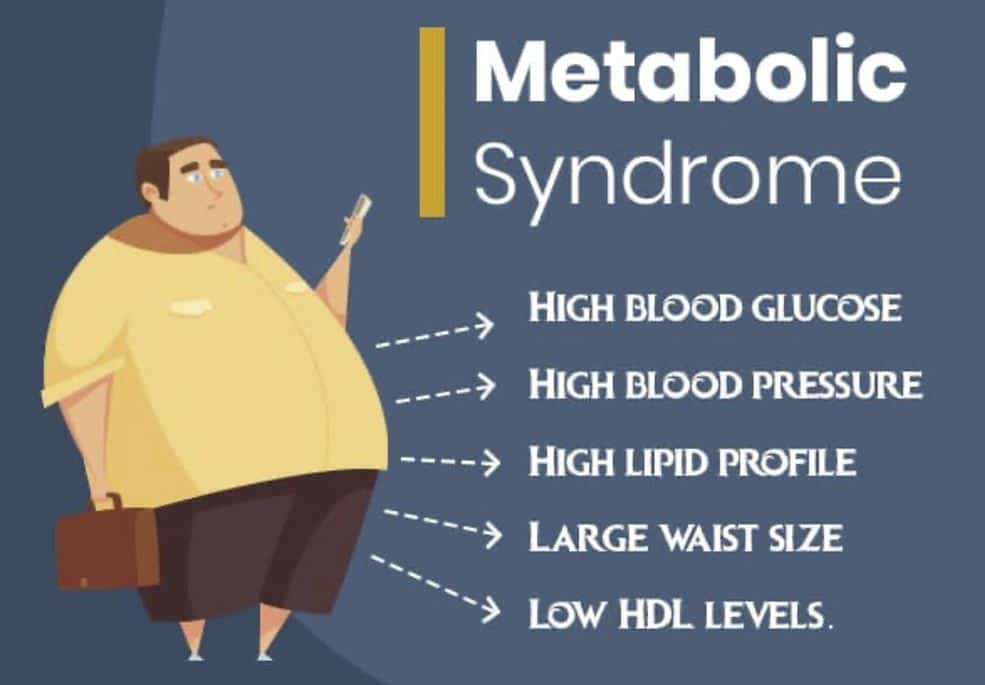
Imagine a middle-aged man with a slightly elevated blood pressure, a bit of excess weight around the abdomen, borderline cholesterol, and a fasting blood sugar in the prediabetic range. None of these conditions alone seems particularly serious. His doctor might mention each casually—”Your blood pressure is a bit high, try reducing salt. Your cholesterol is borderline, watch your diet. You’re overweight, try exercising more.” Yet collectively, these abnormalities create a dangerous metabolic syndrome. The combination exponentially increases his cardiovascular disease risk—not additive but multiplicative. His heart attack risk is not slightly increased but 3 to 4 times higher than someone with none of these conditions. His type 2 diabetes risk is dramatically elevated. Yet because he does not have overt diabetes, no hypertension diagnosis, mild dyslipidemia, he may not recognize the urgency. Understanding metabolic syndrome as a unified condition—not separate isolated abnormalities—enables aggressive intervention preventing catastrophic cardiovascular disease and type 2 diabetes. Metabolic syndrome is a clustering of five metabolic abnormalities: central obesity, elevated blood pressure, elevated triglycerides, low HDL cholesterol, and elevated fasting glucose. The presence of three of five components defines metabolic syndrome. Metabolic syndrome affects approximately 25 to 30 percent of the global adult population. Approximately 60 to 70 million Americans have metabolic syndrome. The condition is one of the most common metabolic disorders. What makes metabolic syndrome critically important is understanding that the risk is multiplicative. Individuals with metabolic syndrome have approximately 3 times higher cardiovascular disease risk and approximately 5 times higher type 2 diabetes risk compared to those without the syndrome. The underlying mechanism is insulin resistance—a central abnormality driving all five components. Understanding metabolic syndrome enables comprehensive risk assessment and aggressive intervention preventing serious metabolic and cardiovascular disease. In this comprehensive article, we will explore what metabolic syndrome is, understand the underlying insulin resistance, recognize all five diagnostic components, explore the multiplicative cardiovascular and metabolic risk, and discover comprehensive prevention and treatment strategies.
Understanding Insulin Resistance and Metabolic Syndrome Pathophysiology
Before we explore metabolic syndrome, we need to understand insulin resistance and how it drives the cluster of abnormalities. Insulin physiology. Insulin hormone. Pancreas. Beta cells. Secreted. Glucose rises. Blood. Regulates. Glucose homeostasis. Insulin receptor. Cell surface. Binds. Insulin. Activates. Glucose uptake. Muscle. Adipose. Other tissues. Muscle. Glycolysis. Energy. Adipose. Triglyceride synthesis. Storage. Liver. Glucose production. Suppressed. Glycogen synthesis. Activated. Normal insulin sensitivity. Appropriate response. Glucose elevated. Insulin increases. Glucose normalized. Insulin decreases. Feedback loop. Homeostasis. Insulin resistance. Cells do not respond. Insulin. Appropriately. Glucose uptake. Impaired. Glycolysis. Reduced. Compensation. Pancreas. Produces more insulin. Hyperinsulinemia. Elevated insulin. Fasting. Fed. Persistently high. HOMA-IR. Homeostatic model assessment. Insulin resistance. Surrogate marker. Calculated. Fasting glucose. Fasting insulin. Elevated HOMA-IR. Indicates. Insulin resistance. Insulin resistance pathophysiology. Genetic predisposition. Environmental factors. Obesity. Sedentary lifestyle. Diet. Contribute. Inflammation. Chronic low-grade. Inflammatory state. Obesity associated. TNF-alpha. IL-6. Elevated. Insulin signaling. Interferes. IRS-1. Insulin receptor substrate-1. Phosphorylation. Impaired. Insulin signaling cascade. Disrupted. Adiponectin. Low. NASH obesity. Adipokine. Insulin sensitizing. Adiponectin reduced. Insulin resistance. Worsens. Free fatty acids. Elevated. Lipolysis. Increased. Adipose. Insulin-resistant. Does not suppress. Fatty acids. Released. Excess. Liver. Muscle. Insulin signaling. Interference. Ectopic fat. Heart. Liver. Pancreas. Accumulates. Lipotoxicity. Dysfunction. Organ-specific. ER stress. Endoplasmic reticulum. Protein folding. Stressed. Unfolded protein response. Activated. JNK. Phosphorylation. IRS-1. Insulin signaling. Disrupted. Metabolic consequences of insulin resistance. Central obesity. Abdominal fat. Visceral. Accumulates. Insulin resistance. Abnormal adipokine secretion. Chronic inflammation. Visceral fat. Insulin-resistant. Lipolysis. Increased. Free fatty acids. Liver. Portal circulation. Glucose uptake. Reduced. De novo lipogenesis. Hepatic steatosis. NAFLD. Results. Triglyceride synthesis. Increased. VLDL production. Elevated. Plasma triglycerides. Elevated triglycerides. Excess carbohydrate. Fructose. Converted. Liver. Fat. Acetyl-CoA. Triglyceride synthesis. Increased insulin. Stimulates. SREBP. Sterol regulatory element-binding protein. Lipogenic genes. Activated. Triglyceride synthesis. Amplified. Blood pressure elevation. Insulin resistance. Sodium. Kidney. Reabsorption. Increased. Sympathetic nervous system. Activity. Elevated. Catecholamine. Norepinephrine. Endothelial function. Impaired. Nitric oxide. Reduced. Vasodilation. Impaired. Vasoconstriction. Predominates. Blood pressure rises. Arterial stiffness. Collagen deposition. Vessels. Elasticity. Reduced. Hypertension. Progressive. HDL cholesterol reduction. VLDL. Triglycerides elevated. Excess triglyceride. Circulates. HDL. Particle remodeling. Smaller denser. Particles. Function. Impaired. Triglyceride transfer. CETP. Cholesterol ester transfer protein. HDL. Triglycerides. Exchanged. HDL loses. Cholesterol. Becomes smaller. Catabolized. HDL reduced. Glucose dysregulation. Insulin resistance. Pancreatic beta cells. Compensate. Hyperinsulinemia. Eventually. Beta cells. Exhaust. Insulin secretion. Declines. Glucose rises. Prediabetes. Type 2 diabetes. Progressive. Hyperglycemia. Glucotoxicity. Beta cell function. Further impaired. Vicious cycle. Inflammation. Obesity. Insulin resistance. Associated. Chronic low-grade inflammation. TNF-alpha. IL-6. CRP. C-reactive protein. Elevated. Inflammation. Insulin signaling. Interferes. Insulin resistance. Worsens. Atherosclerosis. Inflammation. Accelerates. Oxidative stress. ROS. Oxidative stress. DNA damage. Mitochondrial dysfunction. Inflammation. Endothelial dysfunction. Cardiovascular. The pathophysiology explains how insulin resistance drives all five components of metabolic syndrome.
What is Metabolic Syndrome?
Metabolic syndrome is a clustering of five metabolic abnormalities: central obesity, elevated blood pressure, elevated triglycerides, low HDL cholesterol, and elevated fasting glucose. Diagnostic criteria. IDF (International Diabetes Federation) criteria. Central obesity. Waist circumference. Females. Greater than 31.5 inches (80 cm). Males. Greater than 37.4 inches (94 cm). Ethnicity-specific. Plus any two of four. Elevated triglycerides. Greater than 150 mg/dL. Fasting. Or triglyceride-lowering medication. Reduced HDL cholesterol. Females. Less than 50 mg/dL. Males. Less than 40 mg/dL. Or HDL-raising medication. Elevated blood pressure. Systolic. Greater than or equal to 130 mmHg. Diastolic. Greater than or equal to 85 mmHg. Or antihypertensive medication. Elevated fasting glucose. Greater than or equal to 100 mg/dL. Or type 2 diabetes. Or glucose-lowering medication. NCEP ATP III (National Institutes of Health) criteria. Abdominal obesity. Waist circumference. Women. Greater than 35 inches (88 cm). Men. Greater than 40 inches (102 cm). Plus any two of four. Triglycerides. Greater than or equal to 150 mg/dL. HDL cholesterol. Women. Less than 50 mg/dL. Men. Less than 40 mg/dL. Blood pressure. Greater than or equal to 130/85 mmHg. Fasting glucose. Greater than or equal to 110 mg/dL. WHO (World Health Organization) criteria. Insulin resistance. Evidence. Plus any two of four. Hypertension. Dyslipidemia. Obesity. Microalbuminuria. Multiple criteria. Similar. Slight variations. IDF emphasizes. Central obesity. Required. NCEP ATP III. Abdominal obesity. Required. But three of five total. WHO. Insulin resistance. Required. All similar. Approximately 25 to 30 percent. Global population. Metabolic syndrome. Prevalence higher. Developed countries. Obesity prevalent. Higher. Obese populations. Approximately 60 to 80 percent. Metabolic syndrome. Age. Increases. Older adults. Higher prevalence. Approximately 40 to 50 percent. Age 60 and over. Gender. Slight male predominance. Ethnicity. Hispanic. Highest. Asian. Lower. African American. Intermediate. Clinical features. Most asymptomatic. Metabolic syndrome. Asymptomatic. Components. Asymptomatic. Obesity. Visceral. Visible. Waist circumference increased. Blood pressure elevated. Often asymptomatic. Detected. Screening. Cholesterol. LDL. Elevated. No symptoms. Glucose intolerance. Early. Asymptomatic. Fasting glucose. Elevated. Symptoms absent. Advanced. Type 2 diabetes. Symptoms possible. Thirst. Polyuria. Fatigue. Neuropathy. Cardiovascular. Angina. Myocardial infarction. Symptoms. Advanced. Atherosclerosis. Stroke. Symptoms. Possible. Advanced disease. Metabolic complications. Type 2 diabetes. Risk increased. Approximately 5 times. Metabolic syndrome. Cardiovascular disease. Risk increased. Approximately 2 to 3 times. Overall. Atherosclerosis. Endothelial dysfunction. Inflammation. Atherosclerosis. Accelerated. LDL. Small dense particles. More atherogenic. Triglycerides elevated. Triglyceride-rich lipoprotein. Atherogenic. HDL reduced. Protective. Reduced. Antioxidant. Anti-inflammatory. Anti-thrombotic. Functions. Impaired. Other cardiovascular. Stroke. Risk increased. Atrial fibrillation. Associated. Metabolic syndrome. Risk. Heart failure. Diastolic. Risk. Increased. Systemic inflammation. Chronic. LDL oxidation. Inflammation. Atherosclerosis. Progression. Accelerated. Endothelial dysfunction. Nitric oxide. Reduced. Vasodilation. Impaired. Myocardial ischemia. Heart disease. Arrhythmias. Thrombosis. Platelet function. Abnormal. Coagulation. Increased. Blood clotting. Prothrombotic state. Myocardial infarction. Risk. Stroke. Risk. Non-alcoholic fatty liver disease. NAFLD. Associated. NASH. Progressive. Cirrhosis. Risk. Chronic kidney disease. Proteinuria. GFR. Decline. Associated. Metabolic syndrome. Cognitive decline. Dementia. Associated. Neuroinflammation. Possible. Metabolic. Mechanism. Sleep apnea. Obesity. Associated. Hypoxia. Systemic inflammation. Metabolic. Worsening. Obesity. Cancers. Breast. Colorectal. Endometrial. Prostate. Others. Associated. Metabolic syndrome. Insulin. IGF-1. Growth factors. Carcinogenesis. The clustering multiplies risk beyond the sum of individual components.
Recognizing Metabolic Syndrome: Clinical Features and Risk Assessment
Metabolic syndrome has variable presentations recognizable in adults across different ages and backgrounds. Young adulthood (18 to 30 years). Weight gain. Progressive. Beginning. Sedentary lifestyle. Diet. High calorie. Processed food. Abdominal obesity. Developing. Waist circumference. Increasing. Blood pressure. Increasing. Borderline elevation. Lipids. Dyslipidemia. Beginning. Triglycerides. Elevated. HDL. Declining. Fasting glucose. Elevated. Prediabetic range. Asymptomatic. Usually. Metabolic syndrome. Diagnosis. Often missed. Young adults. Perceived. Low risk. Screening. Infrequent. Early intervention opportunity. Missed. Psychological. Difficulty. Body image. Weight concerns. Emerging. Metabolic syndrome. Associated. Cardiovascular. Type 2 diabetes. Risk. Future. Serious implications. Middle adulthood (30 to 50 years). Weight gain. Continued. Central obesity. Prominent. Abdominal. Waist circumference. Significantly increased. Blood pressure. Elevated. Hypertension diagnosis. Common. Medication. Often initiated. Lipids. Dyslipidemia. Established. Triglycerides. High. HDL. Low. LDL. Often elevated. Standard lipid panel. Glucose. Prediabetic. Borderline diabetic. Approximately 50 percent. Type 2 diabetes diagnosis. Present. Metabolic syndrome. Approximately 50 to 60 percent. Prevalence. Cardiovascular. Risk. Increasing. Screening. Coronary calcium. CT. Consider. Risk assessment. Framingham. ASCVD. Important. Medications. Antihypertensive. Statin. Often initiated. Early intervention window. Critical. Prevention. Type 2 diabetes. Possible. Weight loss. Lifestyle. Exercise. Diet. Medication. Combined. Effective. Sleep apnea. Screening. Important. Weight. Obesity. Associated. Sleep. Disruption. Metabolic. Worsening. Cardiovascular disease. Atherosclerosis. Developing. Hypertension. Cardiovascular disease. Risk doubling. Decade. Without intervention. Older adulthood (50+ years). Metabolic syndrome. Approximately 40 to 50 percent. Prevalence. Type 2 diabetes. Established. Approximately 30 to 40 percent. Metabolic syndrome patients. Cardiovascular disease. Manifesting. Angina. Myocardial infarction. Stroke. Risk. Significantly elevated. Medication burden. Multiple. Antihypertensive. Statin. Diabetes agent. Antiplatelet. Others. Polypharmacy. Issues. Drug interactions. Adherence challenges. Complications. Chronic kidney disease. Developing. GFR. Declining. Proteinuria. Present. Cognitive decline. Concerns. Dementia. Risk. Elevated. Metabolic. Inflammation. Neuroinflammation. Associated. Weight loss. Challenge. Metabolism. Slowed. Medication. Appetite stimulation. Weight regain. Common. Caloric restriction. Aggressive. Necessary. Sometimes. Frailty. Risk. Aging. Metabolic syndrome. Combined. Weakness. Functional decline. Fall risk. Accelerated. Quality of life. Declining. Mortality. Cardiovascular. Primary. Cause. Prevention. Ongoing. Critical. Even advanced disease. Complication prevention. Important. Screening for metabolic syndrome. All adults. Screening recommended. Age 20 years. Every 3 to 5 years. BMI. Blood pressure. Lipid panel. Fasting glucose. Assessment. Risk factors. Present. More frequent. Annual. Screening important. Early detection. Prevention. Enabled. The diversity of presentations requires age-appropriate screening and intervention.
Diagnosis: Comprehensive Metabolic Assessment and Risk Calculation
Diagnosing metabolic syndrome requires assessment of all five components and cardiovascular risk calculation. Clinical history. Weight. Childhood. Adulthood. Changes. Rate. Progression. Lifestyle. Diet. Exercise. Sedentary. Motivation. Change. Risk factors. Family history. Obesity. Type 2 diabetes. Cardiovascular disease. Genetic predisposition. Metabolic syndrome. Medications. That affect. Metabolism. Appetite. Blood pressure. Lipids. Glucose. Symptoms. Cardiovascular. Angina. Dyspnea. Palpitations. Glucose-related. Polyuria. Polydipsia. Neuropathy. Sleep. Sleep quality. Snoring. Daytime somnolence. Sleep apnea. Suggests. Physical examination. Height. Weight. BMI. Body mass index. Weight status. Waist circumference. Measurement. Central. Abdominal obesity. Assessment. Skin examination. Acanthosis nigricans. Dark velvety. Neck. Axillae. Insulin resistance. Indicator. Striae. Stretch marks. Weight gain. Rapid. Blood pressure. Measurement. Sitting. Standing. Orthostatic. Assessment. Heart examination. Rate. Rhythm. Murmurs. Carotid examination. Bruits. Atherosclerotic. Disease. Assessment. Abdomen. Hepatomegaly. Fatty liver. Edema. Peripheral. Heart failure. Indicator. Neurologic. Sensation. Distal extremities. Neuropathy. Assessment. Pulses. Pedal. Assessment. Peripheral vascular disease. Laboratory testing. Lipid panel. Total cholesterol. LDL cholesterol. HDL cholesterol. Triglycerides. Baseline. Assessment. Dyslipidemia. Fasting glucose. Baseline. Assessment. Prediabetes. Diabetes. OGTT. Oral glucose tolerance test. Glucose. 2-hour post-load. Assessment. Glucose tolerance. Impaired. Type 2 diabetes. Risk. Hemoglobin A1c. Three-month glucose. Average. Glucose control. Trend. Assessment. Blood pressure. Home monitoring. Important. 24-hour ambulatory. Sleep period. Baseline. Assessment. Hypertension. Severity. Diurnal pattern. Urine microalbumin. Assessment. Kidney. Albumin. Presence. Early diabetic nephropathy. Assessment. Renal function. Serum creatinine. eGFR. Baseline. Monitoring. Kidney disease. Development. Liver function. AST. ALT. Baseline. Assessment. NAFLD. Fatty liver. Elevated enzymes. Suggest. Ultrasound. Often. Confirmatory. Metabolic markers. Fasting insulin. HOMA-IR. Insulin resistance. Quantification. Oxidative stress. Markers. Advanced glycation end products (AGEs). Inflammation. CRP. C-reactive protein. Elevated. Chronic inflammation. Oxidative stress. Associated. Metabolic syndrome. Cardiovascular risk calculation. Framingham risk score. 10-year risk. Cardiovascular disease. Calculation. Age. Gender. Cholesterol. HDL. Blood pressure. Smoking. Diabetes. ASCVD risk calculator. American Heart Association. 10-year. Atherosclerotic cardiovascular disease. Risk. 5-year risk. Projection. Components. Age. Race. Gender. Cholesterol. HDL. Blood pressure. Diabetes. Smoking. Estimates. Absolute risk. Guides. Aggressiveness. Intervention. Intermediate risk. Close monitoring. Medication. Consideration. Higher risk. Aggressive. Hypertension control. Lipid-lowering. Diabetes prevention. Critical. Imaging. Optional. Risk assessment. Coronary calcium. CT imaging. Atherosclerotic burden. Assessment. Risk stratification. Refine. Carotid ultrasound. Intima-media thickness. Atherosclerosis. Assessment. Cardiac stress test. If symptoms. Or high risk. Ischemia. Assessment. The diagnosis requires comprehensive assessment of metabolic and cardiovascular parameters.
Management: Comprehensive Approach to Prevention and Risk Reduction
Metabolic syndrome management focuses on addressing insulin resistance, normalizing all components, and preventing cardiovascular disease and type 2 diabetes. Lifestyle modification. First-line. Most effective. Weight loss. 5 to 10 percent. Initial goal. Improves. All five components. Insulin sensitivity. Increases. Blood pressure. Reduces. Triglycerides. Decreases. HDL. Increases. Glucose. Improves. Greater weight loss. Better. 10 to 20 percent. Sustained. Long-term benefit. Caloric deficit. 500 to 750 calories. Daily. Gradual. Sustainable. 1 to 1.5 pounds. Weekly. Behavioral counseling. Dietitian. Nutritionist. Important. Motivational interviewing. Support. Exercise. 150 minutes. Weekly. Moderate intensity. Brisk walking. Cycling. Swimming. Aerobic. Resistance training. Twice weekly. Muscle strengthening. Both. Combined. Most effective. Aerobic. Cardiovascular. Improves. Resistance. Insulin sensitivity. Metabolic rate. Improves. Diet. Mediterranean diet. DASH. Low glycemic index. Beneficial. Whole grains. Fruits. Vegetables. Lean protein. Healthy fats. Emphasized. Processed foods. Sugar-sweetened beverages. Eliminated. Sodium reduction. Blood pressure. Hypertension. Control. Fructose. High-fructose corn syrup. Reduced. Alcohol. Moderation. Or abstinence. Smoking. Cessation. Essential. Cardiovascular. Risk. Smoking. Escalates. Sleep. 7 to 9 hours. Important. Sleep quality. Improvement. Sleep apnea. Screen. CPAP. Treatment. If present. Stress reduction. Yoga. Meditation. Counseling. Important. Cortisol. Stress hormone. Reduced. Insulin resistance. Improves. Pharmacologic treatment. Hypertension management. ACE inhibitor. ARB. Reduces. Blood pressure. Cardiovascular. Kidney protection. Benefits. Beta-blocker. Thiazide. Calcium channel blocker. Alternatives. Individualization. Important. Target. Less than 130/80. Systolic. Approximately 130 mmHg. Dyslipidemia management. Statin. First-line. LDL cholesterol. Reduction. Cardiovascular disease. Prevention. Proven. Efficacy. All. Metabolic syndrome. Regardless. LDL. Baseline. Triglyceride-lowering. Fibrate. Gemfibrozil. Fenofibrate. If triglycerides. Persistently elevated. 500 mg/dL. Or higher. Niacin. Alternative. Fish oil. Omega-3. Some benefit. Ezetimibe. LDL. Reduction. Additive. Statin. PCSK9 inhibitor. Emerging. Potent. LDL reduction. Higher risk. Type 2 diabetes prevention. Metformin. First-line. Insulin resistance. Improves. Beta cell function. Preserves. Weight loss. Modest. 2 to 3 pounds. Associated. Prevents. Approximately 31 percent. Progression. Prediabetes. Type 2 diabetes. Randomized Diabetes Prevention Program. Landmark study. Acarbose. Alpha-glucosidase inhibitor. Glucose absorption. Slows. Postprandial glucose. Reduced. GLP-1 agonist. Emerging. Weight loss. Metabolic improvement. Cardiovascular protection. Demonstrated. Emerging role. Prediabetes. Pioglitazone. Thiazolidinedione. Insulin sensitizer. NASH improvement. Demonstrated. Bone loss. Weight gain. Side effects. Limit. Use. Glucose management. Type 2 diabetes. Present. Antidiabetic medication. Multiple classes. Metformin. First-line. SGLT2 inhibitor. GLP-1 agonist. DPP-4 inhibitor. Others. Combination. Often. Cardiovascular. Kidney protective. Agents. SGLT2 inhibitor. GLP-1 agonist. Preferred. Cardiovascular. Kidney disease. Risk. Glucose target. Individualization. A1c. 7 percent. Typical. Older. Vulnerable. 7.5 to 8 percent. Acceptable. Intensive. Hypoglycemia. Risk. Avoided. Cardiovascular disease prevention. Antiplatelet. Aspirin. Primary prevention. Controversial. Risk benefit. Individualization. Secondary prevention. Post-MI. Stroke. Indicated. Generally. Statin. Essential. Already discussed. Blood pressure control. Already discussed. Smoking cessation. Already discussed. Metabolic management. Weight loss. Exercise. Already discussed. Glucose control. Hypertension. Lipids. Comprehensive. Monitoring. Metabolic parameters. Glucose. Blood pressure. Lipids. Periodic. 3 to 6 months. Initially. Then. Annually. Annually. Stable. Complication. Screening. Kidney disease. Urine microalbumin. eGFR. Annual. Diabetic retinopathy. Ophthalmology. Annual. Diabetic neuropathy. Nerve conduction. If symptoms. Cardiovascular disease. Risk assessment. Periodic. ASCVD risk score. Every 4 to 6 years. Intermediate. Higher. Annual. Stress testing. Symptoms. Or high risk. Psychological support. Counseling. Adjustment. Chronic disease. Multiple diagnoses. Difficult. Weight management. Challenging. Metabolic syndrome. Associated. Metabolic depression. Slower. Metabolism. Weight loss. Difficult. Resistance. Motivation challenges. Depression. Anxiety. Screening. Treatment. If indicated. Antidepressants. Therapy. Support. Lifestyle changes. Long-term commitment. Barrier. Support groups. Others. Metabolic syndrome. Shared experiences. Coping. Valuable. The comprehensive approach addresses insulin resistance and all five components preventing serious complications.
Frequently Asked Questions (FAQs)
Q1: Can metabolic syndrome be reversed?
Yes. Early metabolic syndrome. Reversible. Completely. Weight loss. Exercise. Diet. Combined. All components normalized. Possible. Advanced. Established hypertension. Type 2 diabetes. Medication. Often. Necessary. But disease progression halted. Reversed. Partially. Possible. Early intervention critical.
Q2: Do I need medication if I have metabolic syndrome?
Depends. Severity. Risk. Early mild. Weight loss. Lifestyle. Sufficient. Often. Advanced. Components. Hypertension. Dyslipidemia. Prediabetes. Medication. Usually. Indicated. Combined. Lifestyle. Medication. Most effective. Individual assessment. Important. Cardiologist. Endocrinologist. Consultation. Helpful.
Q3: Is metabolic syndrome inevitable if I’m obese?
No. Obesity risk factor. But not inevitable. Lean metabolic syndrome. Possible. Genetic. Some. Obese. Metabolic health. Maintained. Fitness. Matters. Exercise. Fit obese. Better outcomes. Generally. Leaner. But fitness. Key. Not just weight.
Q4: Can I prevent metabolic syndrome if I have a family history?
Genetic predisposition. Significant. But not deterministic. Lifestyle. Powerful. Modifies. Risk. Weight loss. Exercise. Diet. Intervention. Early. Prevents. Metabolic syndrome. Family history. Indication. Earlier. More aggressive. Intervention. Screening. Periodic. Important. Genetic counseling. Family. Possible.
Q5: What’s the most important component of metabolic syndrome to address first?
Weight loss. Central obesity. Underlies. Typically. Weight loss. Improves. All components. Insulin sensitivity. Blood pressure. Lipids. Glucose. Weight loss. Foundation. Combined. Exercise. Diet. Most effective. Other components. Targeted. Blood pressure. Medication. If severely elevated. Diabetes prevention. If prediabetic. Comprehensive. Simultaneous. Best.
Key Takeaways
Metabolic syndrome is clustering. Five metabolic abnormalities. Central obesity. Elevated blood pressure. Elevated triglycerides. Low HDL cholesterol. Elevated fasting glucose. Diagnosis. Three of five components. IDF. NCEP ATP III. WHO criteria. Slight variations. Similar. Affects approximately 25 to 30 percent. Global population. Approximately 60 to 70 million Americans. Most common. Metabolic disorders. Insulin resistance. Underlying central mechanism. Hyperinsulinemia. Elevated insulin. Compensatory. Cells resistant. Insulin signaling cascade. Disrupted. Free fatty acids. Elevated. Lipolysis. Increased adipose. Insulin-resistant. Ectopic fat. Liver. Heart. Pancreas. Accumulates. Visceral obesity. Cytokines. TNF-alpha. IL-6. Adiponectin. Low. Inflammation. Chronic low-grade. Amplifies. Insulin resistance. Central obesity. Waist circumference. Males. Greater than 94 to 102 cm. Females. Greater than 80 to 88 cm. Ethnicity-specific variations. Visceral fat. Insulin-resistant. Lipolysis. Increased. Hypertension. Sodium reabsorption. Kidney. Sympathetic activity. Elevated. Endothelial dysfunction. Nitric oxide. Reduced. Blood pressure elevation. Dyslipidemia. VLDL. Triglycerides elevated. HDL. Particles smaller. Less functional. Reduced. LDL. Small dense. More atherogenic. Glucose dysregulation. Insulin resistance. Beta cells compensate. Hyperinsulinemia. Eventually. Beta cells exhaust. Glucose rises. Prediabetes. Type 2 diabetes. Progression. Cardiovascular risk. Approximately 2 to 3 times higher. Metabolic syndrome. Atherosclerosis. Accelerated. Inflammation. Oxidative stress. Endothelial dysfunction. Metabolic syndrome. Associated. Type 2 diabetes. Risk approximately 5 times higher. NAFLD. Chronic kidney disease. Sleep apnea. Cognitive decline. Dementia. Risk increased. Management. Lifestyle. Weight loss. 5 to 10 percent. Exercise. 150 minutes weekly. Diet. Mediterranean. DASH. Whole foods. Processed foods reduced. Smoking cessation. Sleep quality. Stress reduction. Pharmacologic. Hypertension. ACE inhibitor. ARB. Blood pressure. Dyslipidemia. Statin. Triglycerides. Fibrate if persistently elevated. Type 2 diabetes prevention. Metformin. Diabetes Development Program. 31 percent reduction. Prediabetes progression. Prevention. Antiplatelet. Aspirin. Selected patients. Cardiovascular prevention. Monitoring. Glucose. Blood pressure. Lipids. Periodic. Kidney disease. Screening. Annual. Cardiovascular risk. Periodic assessment. ASCVD risk score. Outcomes. Early metabolic syndrome. Reversible. Comprehensive intervention. Weight loss. Exercise. Diet. Medication. Combined. Most effective. Advanced. Metabolic disease. Established. Diabetes. Hypertension. Medication. Necessary. Disease progression. Preventable. Complications. Preventable. Metabolic syndrome—common cluster—exponential risk—early intervention critical—prevents cardiovascular disease and diabetes.
References
- World Health Organization (WHO). “Metabolic Syndrome: Definition and Management.” Retrieved from https://www.who.int/
- American Heart Association. “Metabolic Syndrome Guidelines.” Retrieved from https://www.heart.org/
- American Diabetes Association. “Metabolic Syndrome and Type 2 Diabetes.” Retrieved from https://www.diabetes.org/
- Mayo Clinic. “Metabolic Syndrome: Diagnosis and Treatment.” Retrieved from https://www.mayoclinic.org/
- Cleveland Clinic. “Metabolic Syndrome: Complete Information.” Retrieved from https://my.clevelandclinic.org/
- National Institutes of Health. “Metabolic Syndrome.” Retrieved from https://www.nih.gov/
Related Articles on ObserverVoice.com
Explore more health and science topics on our platform:
- Insulin Resistance: Understanding Metabolic Dysfunction
- Type 2 Diabetes: Understanding Prevention and Risk Factors
- Hypertension: Understanding Blood Pressure Control
- Dyslipidemia: Understanding Cholesterol and Triglycerides
- Obesity: Understanding Metabolic Health Complications
- Cardiovascular Disease: Understanding Heart Attack and Stroke Prevention
Disclaimer
This article provides educational information adapted from publicly available health sources including WHO materials. This content is for informational and educational purposes only and does not constitute medical advice, diagnosis, or treatment recommendations. [ObserverVoice.com] is a news and information platform—not a healthcare provider. If you have risk factors for metabolic syndrome—abdominal obesity, elevated blood pressure, dyslipidemia, glucose intolerance, or family history—consult qualified cardiologists, endocrinologists, or primary care physicians for comprehensive assessment. Metabolic syndrome diagnosis requires evaluation of all five components. Early detection and aggressive management—weight loss, lifestyle modification, exercise, dietary changes, and appropriate medication—can prevent or reverse metabolic syndrome and prevent serious cardiovascular disease and type 2 diabetes. Comprehensive approach addressing all components simultaneously most effective. Regular monitoring of glucose, blood pressure, lipids, and kidney function important. Cardiovascular risk assessment guides intensity of intervention. With appropriate management, metabolic syndrome is preventable and reversible with early intervention. Always seek guidance from licensed healthcare specialists for assessment, diagnosis, and personalized treatment.
Observer Voice is the one stop site for National, International news, Sports, Editor’s Choice, Art/culture contents, Quotes and much more. We also cover historical contents. Historical contents includes World History, Indian History, and what happened today. The website also covers Entertainment across the India and World.
Follow Us on Twitter, Instagram, Facebook, & LinkedIn

