

PCOS (Polycystic Ovary Syndrome): Hormones, Insulin, and Why It’s More Than a Fertility Issue

Imagine being a teenage girl with irregular periods, excessive facial hair, and acne that won’t respond to treatment. Your dermatologist treats the acne. Your gynecologist addresses the irregular periods. Yet no one connects these symptoms to a unified condition. Years later, when struggling with infertility, a diagnosis of polycystic ovary syndrome (PCOS) finally explains everything. Yet the focus becomes solely on fertility treatment—medications to induce ovulation, assisted reproduction. Meanwhile, the underlying metabolic dysfunction—insulin resistance, metabolic syndrome—goes unaddressed. The woman develops type 2 diabetes at age 30. Cardiovascular disease. The fertility issue masked the more serious metabolic disease. Understanding PCOS as a systemic metabolic disorder, not just a fertility problem, enables comprehensive management addressing the root cause and preventing serious long-term complications. PCOS is a complex endocrine disorder characterized by insulin resistance, hyperandrogenism (elevated androgens), and ovulatory dysfunction. The condition affects approximately 1 in 10 women of reproductive age. Approximately 10 million American women have PCOS. The condition is one of the most common endocrine disorders in women. What makes PCOS important is understanding the metabolic basis of the condition. Insulin resistance is central. Elevated insulin drives androgen production. Androgen excess prevents normal ovulation. But insulin resistance also causes metabolic syndrome, type 2 diabetes, and cardiovascular disease. Treating only the fertility aspect while ignoring insulin resistance is incomplete management. Understanding PCOS enables comprehensive treatment addressing insulin resistance, reducing androgen excess, restoring ovulation if desired, and preventing serious metabolic complications. Early diagnosis and comprehensive management prevent type 2 diabetes, cardiovascular disease, and enable optimal reproductive and metabolic health. In this comprehensive article, we will explore what PCOS is, understand insulin resistance and hormone imbalances, recognize the spectrum of symptoms beyond infertility, explore metabolic complications, and discover comprehensive management strategies improving long-term health.
Understanding Insulin Resistance and Hyperandrogenism in PCOS Pathophysiology
Before we explore PCOS, we need to understand insulin resistance and how it drives the hormonal abnormalities. Insulin physiology. Insulin hormone. Pancreas. Beta cells. Secreted. Glucose rises. Blood. After meals. Particularly. Glucose metabolism. Glucose enters cells. Insulin receptor. Cell surface. Insulin binds. Activates. Glucose uptake. Glycolysis. Energy production. Glycogen storage. Normal insulin sensitivity. Appropriate insulin response. Glucose rises. Insulin increases. Glucose enters cells. Blood glucose normalizes. Insulin decreases. Insulin resistance. Cells do not respond. Insulin. Appropriately. Glucose uptake. Impaired. Glycolysis. Reduced. Compensation. Pancreas. Produces more insulin. Hyperinsulinemia. Elevated insulin. Fasting. Fed. Persistently high. Fasting hyperinsulinemia. Characteristic. Insulin resistance. PCOS pathophysiology. Insulin resistance. Central. Approximately 70 percent. PCOS patients. Insulin resistance. Measured. Fasting insulin. HOMA-IR score. Elevated. Genetic predisposition. Environmental factors. Obesity. Sedentary lifestyle. Diet. Contribute. Insulin resistance. PCOS. Not all obese. Not all sedentary. Develop PCOS. But risk increased. Obesity. Worsens. Insulin resistance. Weight loss. Improves. Androgen production. Excess. Hyperandrogenism. Results from. Insulin resistance. Mechanism. Elevated insulin. Stimulates. Thecal cells. Ovarian. Androgen production. LH (luteinizing hormone). Also elevated. PCOS. Stimulates. Androgen production. Combined. Insulin. LH. Excess androgens. Thecal cells. Produce excess. Testosterone. Androstenedione. Other androgens. Peripheral conversion. Other tissues. Convert. Androstenedione. Testosterone. Free testosterone elevated. Bound. SHBG (sex hormone-binding globulin). Low. PCOS. Elevated insulin. Suppresses. SHBG. Reduced SHBG. More free testosterone. Circulates. Bioavailable. Causes symptoms. Hyperandrogenism effects. Hair growth. Hirsutism. Testosterone. Stimulates. Hair follicles. Excess hair. Face. Chest. Abdomen. Back. Male pattern. Acne. Androgens. Stimulate. Sebaceous glands. Excess oil. Skin. Bacteria. Acne. Male pattern baldness. Hair loss. Scalp. Androgen-sensitive hair. Progressive loss. Virilization. Rare. Very high androgens. Clitoromegaly. Voice deepening. Muscle development. Uncommon. PCOS. Reproductive dysfunction. Androgen excess. Interferes. Follicle development. Ovary. Normal cycle. FSH (follicle-stimulating hormone). Stimulates. Follicle growth. Estrogen increases. FSH decreases. Negative feedback. LH surge. Triggers ovulation. PCOS. Elevated androgens. Interfere. Follicle development. Many small follicles. Mature ovary. Fail to ovulate. Anovulation. No ovulation. Menstrual cycle. Irregular or absent. Oligomenorrhea. Irregular periods. Amenorrhea. No periods. Months. Endometrial hyperplasia. Risk. Unopposed estrogen. No progesterone. From ovulation. Endometrial lining. Thickens. Cancer risk. Long-term. Metabolic dysfunction. Insulin resistance. Beyond reproduction. Metabolic syndrome. Central obesity. Abdominal. Dyslipidemia. Elevated triglycerides. Low HDL. Hypertension. Elevated blood pressure. Glucose intolerance. Elevated fasting glucose. Type 2 diabetes. Risk increased. Approximately 40 percent. PCOS women. Develop type 2 diabetes. By age 40. Without intervention. Cardiovascular disease. Insulin resistance. Hypertension. Dyslipidemia. Inflammation. Atherosclerosis. Risk. Cardiovascular disease. Early onset. Mortality. Increased. Women with PCOS. Inflammation. Chronic. Elevated inflammatory markers. C-reactive protein. Interleukin-6. Others. Inflammation. Contributes. Insulin resistance. Cardiovascular disease. Other complications. Sleep apnea. Obesity. Associated. Airway collapse. Sleep. Apnea episodes. Hypoxia. Sleep disruption. NAFLD. Non-alcoholic fatty liver disease. Insulin resistance. Associated. Liver. Fat accumulation. Fibrosis. Cirrhosis. Possible. Psychological. Depression. Anxiety. Common. PCOS. Body image. Infertility. Stress. Contribute. The pathophysiology explains the multi-system manifestations of PCOS.
What is PCOS?
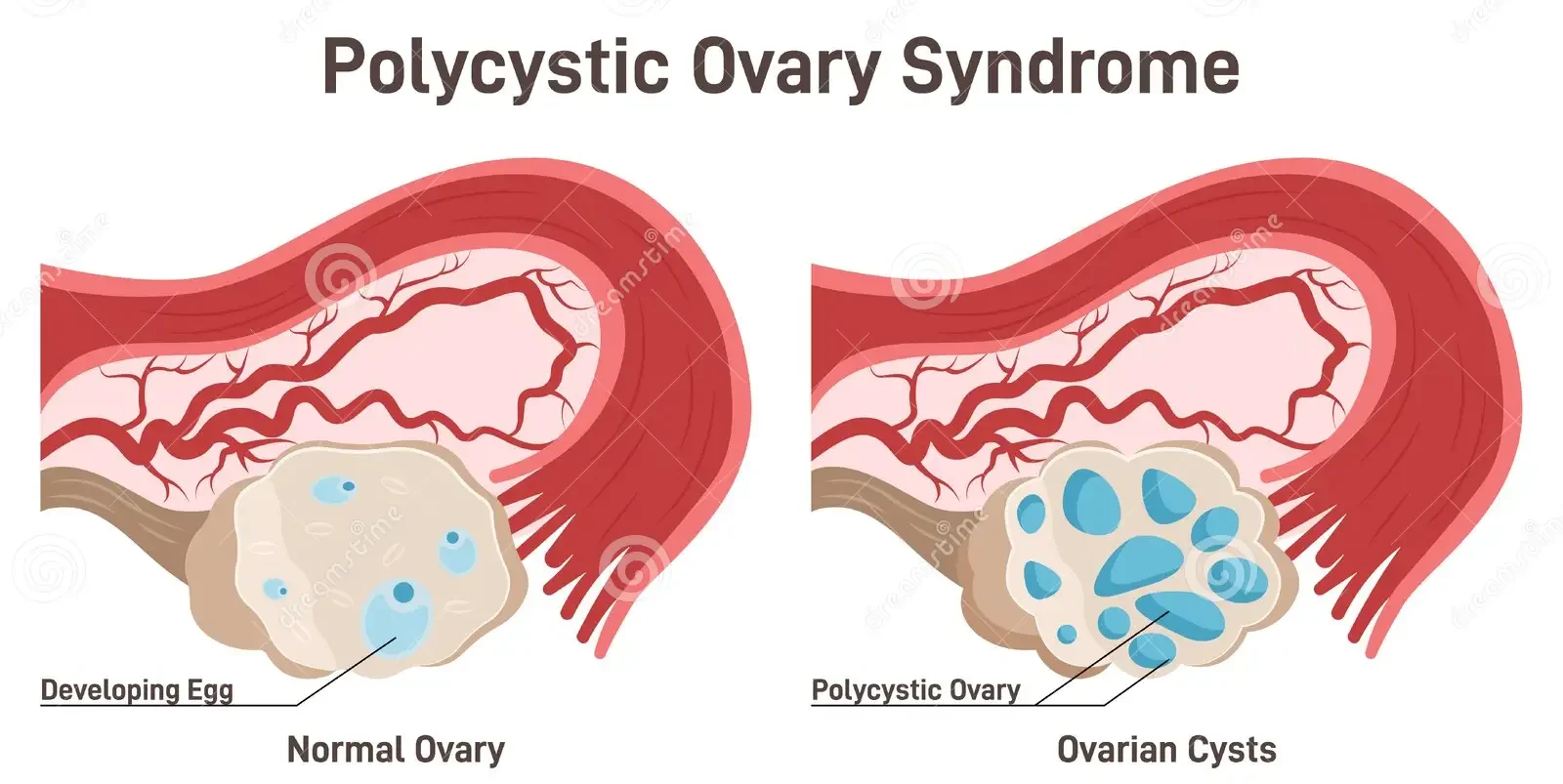
PCOS is an endocrine and metabolic disorder characterized by insulin resistance, hyperandrogenism, and ovulatory dysfunction affecting approximately 1 in 10 women of reproductive age. Diagnostic criteria. Rotterdam criteria. Most widely used. Two of three required. Irregular ovulation. Or anovulation. Oligomenorrhea. Or amenorrhea. Clinical or biochemical hyperandrogenism. Clinical hirsutism. Acne. Male pattern baldness. Biochemical elevated testosterone. Free testosterone. Androstenedione. Polycystic ovaries. Ultrasound. Multiple small follicles. 12 or more. 2 to 9 mm diameter. One or both ovaries. Exclusion. Other hyperandrogenic disorders. Cushing syndrome. Androgen-secreting tumors. Thyroid disorder. Prolactinemia. Others. NIH criteria. Stricter. Requires. Hyperandrogenism. Clinical or biochemical. Ovulatory dysfunction. Oligomenorrhea or anovulation. Polycystic ovaries. PCO morphology. Androgen excess society criteria. Hyperandrogenism. Ovarian dysfunction. Or polycystic ovaries. PCOS phenotypes. Classic PCOS. Hyperandrogenism. Ovulatory dysfunction. PCO morphology. All three. Ovulatory PCOS. Hyperandrogenism. PCO morphology. Regular ovulation. Anovulatory PCOS. Ovulatory dysfunction. Hyperandrogenism. Normal ovaries. Metabolic PCOS. PCO morphology. Metabolic dysfunction. No hyperandrogenism. Ovulation regular. Variable severity. Different phenotypes. Different clinical presentations. Different fertility impact. Different metabolic risk. Clinical features. Menstrual irregularity. Oligomenorrhea. Fewer than nine cycles yearly. Amenorrhea. No periods. Months. Variable. Onset. Menarche. Often. Or gradual. Over time. Hyperandrogenism. Clinical hirsutism. Facial hair. Chest. Abdomen. Back. Acne. Face. Chest. Resistant to treatment. Male pattern baldness. Hair loss. Scalp. Progressive. Affects. Self-image. Psychological impact. Weight gain. Obesity. Central. Abdominal. Approximately 50 to 80 percent. Obese. Some lean. PCOS possible. Lean PCOS. Approximately 20 to 30 percent. Non-obese. Insulin resistance. Still present. Lean PCOS. Often overlooked. Harder to diagnose. Infertility. Difficulty conceiving. From anovulation. Miscarriage. Increased risk. Elevated androgens. Progesterone. Reduced. Implantation. Poor. Miscarriage risk. Increased. Pregnancy complications. Gestational diabetes. Gestational hypertension. Preeclampsia. Risk increased. Monitoring important. Ovarian. Polycystic appearance. Ultrasound. Multiple small follicles. Enlarged ovaries. Sometimes. PCO morphology. Does not confirm diagnosis. Alone. But supportive. Metabolic manifestations. Insulin resistance. Fasting hyperinsulinemia. HOMA-IR elevated. Testing. Metabolic syndrome. Criteria met. Abdominal obesity. Hypertension. Dyslipidemia. Glucose intolerance. Type 2 diabetes. Risk increased. Approximately 40 percent. Develop by age 40. Screening. Fasting glucose. OGTT. Oral glucose tolerance test. Annual. Cardiovascular risk. Elevated. Early-onset. Hypertension. Risk. LDL cholesterol. Elevated. HDL cholesterol. Low. Triglycerides. Elevated. Blood pressure. Elevated. Often. Subclinical atherosclerosis. Detected. Ultrasound. Intima-media thickness. Increased. Endothelial dysfunction. Reduced flow-mediated dilation. Psychological. Depression. Approximately 30 percent. Anxiety. Body image. Infertility stress. Contribute. Disordered eating. Risk increased. Body dysmorphia. Possible. Sleep. Sleep apnea. Obesity-associated. Screening. If snoring. Daytime somnolence. Sleep quality. Often poor. Sleep disruption. From irregular cycles. Bleeding. Or anxiety. Liver. NAFLD. Non-alcoholic fatty liver disease. Approximately 55 percent. Elevated liver enzymes. Biopsy findings. Steatosis. Fibrosis. Rare. Risk. Monitoring. Liver enzymes. Periodic. Adrenal function. Adrenal androgens. DHEA-S. Elevated. Some. Adrenal insufficiency. Rare. But consider. If symptoms. Thyroid. Autoimmune thyroiditis. Increased. Screening. TSH. Important. The multi-system nature requires comprehensive management.
Recognizing PCOS: Symptoms and Presentations Across the Lifespan
PCOS has variable presentations recognizable from adolescence through adulthood. Adolescence (12 to 18 years). Menarche. Irregular from onset. Heavy periods. Light periods. Absent. Unpredictable. Normal. But concerning. If pattern. Heavy menstrual bleeding. Occurs. Sometimes. Menorrhagia. Excessive. School absences. Embarrassment. Emotional distress. Hirsutism. Facial hair. Excess. Puberty. Expected. Increased. But PCOS. Excess. Troubling. Acne. Resistant to treatment. Multiple areas. Face. Chest. Back. Deep. Inflammatory. Male pattern baldness. Hair loss. Scalp. Uncommon. Adolescence. But possible. Alopecia. Psychological impact. Body image. Weight gain. Rapid. Central. Abdominal. Differs. Peers. Emotional distress. Body image. Eating disorders. Risk. Infertility. Not yet relevant. But irregular periods. Concerning. Reproductive counseling. Important. Early education. PCOS risk. Family history. Early adulthood (18 to 25 years). Menstrual problems. Continue. Oligomenorrhea. Amenorrhea. Persistent. Contraceptive choice. Important. Combined oral contraceptive. First-line. Reduces androgens. Regulates cycle. Other options. Progestin-only. Copper IUD. Variable response. Fertility concerns. Emerging. If relationship. Desire children. Fertility evaluation. Important. Time. Ovulation induction. Options. Metformin. Clomiphene citrate. Letrozole. Weight loss. First. Hirsutism. Acne. Persist. Dermatology. Management. Spironolactone. Anti-androgen. Helps. Topical retinoids. Birth control. Waxing. Electrolysis. Hair removal. Psychological. Body image. Ongoing. Self-esteem. Affected. Eating disorders. Screen. Support. Important. Counseling. If indicated. Metabolic screening. Insulin resistance. Glucose intolerance. Screening. Important. Early intervention. Prevention. Type 2 diabetes. Lifespan. Reproductive years (25 to 40 years). Infertility. Primary issue. Desire pregnancy. Fertility treatment. Discussed. Weight loss. First-line. 5 to 10 percent. Weight loss. Improves. Ovulation. Natural pregnancy. Often. Metformin. First-line. Medication. Improves insulin resistance. Restores ovulation. Clomiphene citrate. Second-line. Letrozole. Alternative. Ovulation induction. Injectable gonadotropins. If ovulation induction. Fails. IVF. If other options. Inadequate. Pregnancy. PCOS. Risk factors. Gestational diabetes. Gestational hypertension. Preeclampsia. Screening. Important. Early detection. Management. Miscarriage risk. Elevated. Increased monitoring. Important. Psychological support. Loss. Impact. Difficult. Metabolic issues. Progressing. Type 2 diabetes. Screening. Fasting glucose. OGTT. Annual. If not diabetic. Hypertension. Screening. Blood pressure monitoring. Regular. Dyslipidemia. Lipid panel. Periodic. Management. If indicated. Lifestyle. Weight management. Exercise. Diet. Important. Medication. Metformin. Continued. If glucose intolerance. Statin. If dyslipidemia. Antihypertensive. If hypertension. Contraception. If not pursuing pregnancy. Ongoing need. Menstrual regulation. Important. Endometrial protection. Unopposed estrogen. Risk. Cancer. Long-term. Combined oral contraceptive. Progestin. IUD. Important. Menopause transition (40 to 55 years). Menopause. Irregular periods. PCOS. Already present. May not recognize. Transition. PCOS symptoms. May improve. Androgens. Decline. Or persist. Hot flashes. Night sweats. Sleep disruption. Vaginal dryness. Usually. PCOS undiagnosed. At this age. If symptoms. Irregular periods. Androgen excess. Hirsutism. Acne. Metabolic issues. PCOS. Likely. Diagnosis. Important. Late diagnosis. Common. Metabolic issues. Prominent. Type 2 diabetes. Likely established. Hypertension. Cardiovascular disease. Risk high. Prevention. Ongoing. Hormone therapy. Menopause. Benefits. Risks. Assess. Individual. PCOS. With metabolic syndrome. Often. Risks. Weigh carefully. Postmenopausal (55+ years). Long-term complications. Manifest. Type 2 diabetes. Established. Cardiovascular disease. Likely. Osteoporosis risk. Earlier. PCOS. Than general population. Screening. DXA. Important. Continued metabolic management. Important. Diabetes management. Cardiovascular risk reduction. Lifestyle. Medication. The diversity of presentations requires age-specific management.
Diagnosis: Recognizing PCOS and Differential Diagnosis
Diagnosing PCOS requires clinical recognition and systematic evaluation. Clinical history. Menstrual history. Age menarche. Cycle regularity. Duration. Flow. Changes. Reproductive history. Age intercourse. Duration attempting pregnancy. Pregnancies. Losses. Outcomes. Androgen symptoms. Hirsutism. Onset. Progression. Acne. Age. Distribution. Severity. Hair loss. Onset. Progression. Weight. Childhood weight. Puberty. Current. Changes. Rate. Obesity. Central distribution. Important. Family history. PCOS. Family members. Type 2 diabetes. Early cardiovascular disease. Obesity. Metabolic syndrome. Others. Physical examination. Height. Weight. BMI. Body mass index. Waist circumference. Central obesity. Important. Blood pressure. Elevated. Common. Skin examination. Hirsutism. Assessment. Score. Ferriman-Gallwey. Quantifies. Acne. Distribution. Severity. Alopecia. Hair loss pattern. Acne presence. Ovarian examination. Difficult. Physical exam. Ultrasound. Necessary. Lab testing. Testosterone. Total testosterone. Free testosterone. If elevated. Androstenedione. Elevated sometimes. 17-hydroxyprogesterone. Rule out. Congenital adrenal hyperplasia. CAH. Elevated. Late luteal phase. Testing. Progesterone. Confirms ovulation. If elevated. LH. FSH. Ratio. LH:FSH. Elevated. PCOS. Greater than 3:1. Supportive. Not diagnostic. Prolactin. Thyroid-stimulating hormone (TSH). Rule out. Hyperprolactinemia. Thyroid disorder. Other causes. Androgen excess. Metabolic testing. Fasting insulin. Elevated. HOMA-IR. Insulin resistance score. Elevated. Oral glucose tolerance test. OGTT. Fasting glucose. 2-hour glucose. Post-load. Impaired fasting glucose. Impaired glucose tolerance. Type 2 diabetes. Assess. Lipid panel. Triglycerides. LDL. HDL. VLDL. Dyslipidemia. Assess. Liver function. AST. ALT. NAFLD. Screen. Elevated. Further testing. Imaging. Pelvic ultrasound. Transvaginal. Gold standard. Ovarian morphology. Follicle number. Size. Ovary volume. Polycystic appearance. 12 or more follicles. 2 to 9 mm. One or both ovaries. PCO morphology. Ovary volume. Greater than 10 to 12 cm3. Endometrial thickness. If irregular periods. Assess. Endometrial hyperplasia. Risk. Pelvic ultrasound. Also assesses. Other pelvic structures. Excludes. Ovarian tumors. Other pathology. Diagnostic criteria application. Rotterdam criteria. Practical. Most used. Two of three. Irregular ovulation. Hyperandrogenism. PCO morphology. Differential diagnosis. Thyroid disorder. Elevated TSH. PCOS. TSH normal. Hyperprolactinemia. Elevated prolactin. PCOS. Prolactin normal. Cushing syndrome. 24-hour urinary cortisol. Overnight dexamethasone suppression test. PCOS. Normal. Androgen-secreting tumor. Very elevated androgens. Testosterone greater than 150 ng/dL. Imaging. CT or MRI. Adrenal tumor. Ovarian tumor. CAH. 17-hydroxyprogesterone. Elevated. PCOS. Normal. Pregnancy. Amenorrhea. Beta-hCG. Positive. Confirms. Diagnostic uncertainty. Diagnosis challenging. Lean PCOS. Insulin resistance. Not obvious. Androgen excess. Subtle. Irregular periods. Only finding. PCO morphology. May be incidental. Comprehensive history. Examination. Testing. Important. Multiple visits. Serial testing. Sometimes. Diagnosis clarity. The diagnosis requires systematic clinical evaluation and testing.
Management: Comprehensive Metabolic and Reproductive Approach
PCOS management addresses insulin resistance, androgen excess, ovulatory dysfunction, and metabolic complications. Lifestyle modifications. Weight loss. Most effective. 5 to 10 percent. Weight loss. Improves. Insulin sensitivity. Restores ovulation. Often. Type 2 diabetes. Prevention. Cardiovascular risk. Reduction. Caloric deficit. Approximately 500 calories daily. Gradual. Weight loss. 1 to 2 pounds weekly. Sustainable. Behavior change. Important. Exercise. Regular. Aerobic exercise. 150 minutes weekly. Brisk walking. Running. Cycling. Swimming. Resistance training. Twice weekly. Muscle strengthening. Improves metabolic rate. Improves insulin sensitivity. Combined. Better than either. Alone. Diet. Mediterranean diet. DASH diet. Low glycemic index. Refined carbohydrates. Reduced. Whole grains. Fruits. Vegetables. Lean protein. Healthy fats. Emphasized. Processed foods. Minimized. Sugar-sweetened beverages. Eliminated. Alcohol. Moderation. Quality sleep. Critical. 7 to 9 hours. Sleep apnea. Screen. If snoring. Daytime somnolence. Sleep problems. Address. Important. Stress management. Yoga. Meditation. Counseling. Leisure activities. Important. Stress reduction. Helps. Cortisol. Other hormones. Metabolic health. Insulin sensitizing agents. Metformin. First-line medication. Improves insulin sensitivity. Mechanism. Reduces hepatic glucose production. Improves insulin action. Peripheral tissues. Dose. 500 to 2,000 mg daily. Divided doses. Side effects. GI. Nausea. Diarrhea. Abdominal discomfort. Vitamin B12 deficiency. Long-term. Monitoring. Important. Efficacy. Approximately 30 percent. Ovulation induction. Weight loss. First. Clomiphene citrate (Clomid). Second-line. Selective estrogen receptor modulator (SERM). Increases FSH. Stimulates follicle development. Ovulation. Dose. 50 to 150 mg daily. Days 3 to 7. Cycle. Efficacy. Approximately 70 to 80 percent. Ovulation. Approximately 40 to 50 percent. Pregnancy. Side effects. Hot flashes. Mood changes. Ovarian hyperstimulation. Rare. Multiple births. Risk increased. Approximately 5 percent. Letrozole (Femara). Aromatase inhibitor. Alternative. First-line. Some studies. Better efficacy. Fewer side effects. Clomiphene. Off-label. Dose. 2.5 to 5 mg daily. Days 3 to 7. Cycle. Efficacy. Similar. Clomiphene. Ovulation induction. If metformin. Clomiphene. Inadequate. Gonadotropins. Injectable. FSH. LH. Higher cost. Requires monitoring. Daily ultrasound. Blood work. Specialist. Fertility clinic. Appropriate. IVF. If ovulation induction. Fails. Or other fertility. Issues. Androgen-lowering therapy. Combined oral contraceptive. First-line. Estrogen. Increases SHBG. Reduces free testosterone. Progestin. Reduces androgen. Dose. Standard. 30 to 35 mcg. Ethinyl estradiol. Progestin. Various types. Efficacy. 3 to 6 months. Effect. Delayed. Regularity. Improves. Immediately. Androgen symptoms. Improves. Over months. Acne. Hirsutism. Hair loss. Gradually improve. Spironolactone. Anti-androgen. Aldosterone antagonist. Blocks androgen receptor. Inhibits 5-alpha reductase. Dose. 50 to 200 mg daily. Side effects. Hyperkalemia. Diuresis. Breast tenderness. Monitoring. Potassium. Renal function. Important. Efficacy. 3 to 6 months. Used with birth control. Teratogenic. Single agent. Inadequate. Finasteride. 5-alpha reductase inhibitor. Blocks testosterone conversion. DHT. Dihydrotestosterone. Reduces. Dose. 1 to 5 mg daily. Efficacy. Hair loss. Reduction. Acne. Improvement. Slow. Months. Inositol. Myo-inositol. D-chiro-inositol. Naturally occurring. Insulin-sensitizing. Some evidence. Improves ovulation. Improves metabolic parameters. Emerging. Not first-line. But promising. Variable quality. Preparations. Standardization. Needed. Metabolic management. Type 2 diabetes prevention. Screening. Fasting glucose. OGTT. Annual. If not diabetic. If glucose intolerance. Metformin. Appropriate. Lifestyle. Critical. Combined. Most effective. Type 2 diabetes. If develops. Antidiabetic medication. Necessary. Hypertension management. Blood pressure monitoring. Regular. Antihypertensive medication. If elevated. ACE inhibitor. ARB. Beta-blocker. Thiazide. Options. Dyslipidemia management. Lipid panel. Baseline. Periodic. Statin. If dyslipidemia. Low-density lipoprotein. Elevated. High-density lipoprotein. Low. Triglycerides. Elevated. Cardiovascular risk. Reduction. Important. Behavioral. Medication. Combined. Psychological support. Depression. Anxiety. Screening. Periodic. SSRI. Other antidepressants. If indicated. Therapy. Counseling. Cognitive-behavioral therapy (CBT). Effective. Body image. Infertility. Stress. Addressing. Important. Eating disorders. Screen. Risk. Support. If present. Support groups. Other women with PCOS. Shared experiences. Coping strategies. Valuable. Endometrial protection. Unopposed estrogen. Risk. Endometrial hyperplasia. Endometrial cancer. Long-term. If irregular periods. Unopposed estrogen. Protection. Necessary. Combined oral contraceptive. Progestin IUD. Levonorgestrel IUD (Mirena). Effective. Progestin-only. Pills. Periodic. Progestin. 10 to 14 days. Monthly. Medroxyprogesterone. Or norethindrone. Withdrawal bleed. Protective. NAFLD management. Liver function. Monitoring. AST. ALT. Baseline. Periodic. If elevated. Ultrasound. Assess. Steatosis. Steatohepatitis. Lifestyle. Weight loss. Important. Exercise. Diet. No specific therapy. But lifestyle. Often sufficient. Monitoring. Important. Liver disease. Progresses. Rarely. But assess. Fertility counseling. If pursuing pregnancy. Preconception counseling. Important. Medication review. Potentially teratogenic. Discontinued. Spironolactone. Finasteride. Others. Stopped. Before conception. Weight loss. Encouraged. Before pregnancy. Risk reduction. Metabolic complications. Pregnancy. Vitamin supplementation. Folic acid. 400 to 4,000 mcg daily. Before conception. Myo-inositol. Some evidence. Improves outcomes. Emerging. Not standard. Yet. Psychological support. Infertility. Stress. Significant. Counseling. Support groups. Important. Reproductive counseling. Future. Genetic risk. PCOS. Familial. Discussion. Risk. Offspring. Family planning. The comprehensive approach prevents complications and optimizes health.
Frequently Asked Questions (FAQs)
Q1: Will PCOS prevent me from having children?
No, PCOS affects fertility but does not prevent pregnancy. Irregular ovulation. Challenges conception. But ovulation. Often. Occurs. Spontaneous pregnancy. Possible. Weight loss. Metformin. Often. Restore ovulation. Clomiphene. Letrozole. Further help. IVF. If needed. Most women with PCOS. Can conceive. Pregnancy rates. High. With treatment. Miscarriage risk. Elevated. But pregnancy. Usually successful. Counseling. Important. Realistic expectations.
Q2: Is PCOS curable?
No cure. Genetic condition. Manageable. Lifestyle. Medication. Address. Symptoms. Metabolic complications. Prevention. Insulin resistance. Persists. But controlled. Symptoms. Often improve. Weight loss. Medication. Some improve dramatically. Others. Less. Remission. Possible. Off medication. Weight maintenance. Important. Relapse. Common. With weight regain. Lifelong management. Usually necessary.
Q3: Will I definitely develop type 2 diabetes?
No, not inevitable. Risk elevated. Approximately 40 percent. Develop by age 40. Without intervention. But prevention. Possible. Lifestyle. Weight loss. Exercise. Diet. Reduce. Risk. Significantly. Metformin. Helps. Prevention. Screening. Yearly. Important. Early detection. Treatment. Prevents. Complications. Many women with PCOS. Never develop diabetes. With management.
Q4: Is PCOS caused by my weight?
No, weight does not cause PCOS. Genetic. Environmental. Obesity. Worsens. Insulin resistance. Androgen excess. Lean women. Develop PCOS. PCOS causes. Weight gain. Insulin resistance. Difficulty losing weight. Vicious cycle. Weight loss. Helps. But not cure. Underlying PCOS. Remains.
Q5: Why should I treat PCOS if I don’t want to get pregnant?
Important reasons. Type 2 diabetes. Risk. High. Prevention. Cardiovascular disease. Risk. Elevated. Management. Reduces. Metabolic syndrome. Complications. Mental health. Depression. Anxiety. Common. Treatment. Helps. Quality of life. Improved. Menstrual regulation. Important. Endometrial protection. Unopposed estrogen. Cancer risk. Long-term. Management. Necessary. Even without fertility concerns.
Key Takeaways
PCOS is endocrine and metabolic disorder. Insulin resistance. Central. Approximately 70 percent. Hyperandrogenism. Elevated androgens. Ovulatory dysfunction. Oligomenorrhea or anovulation. Affects approximately 1 in 10 women. Approximately 10 million American women. Rotterdam criteria. Two of three required. Irregular ovulation. Hyperandrogenism. Polycystic ovaries. Presentation variable. Classic PCOS. All three. Ovulatory PCOS. Lean PCOS. Metabolic PCOS. Different phenotypes. Clinical features. Irregular periods. Hirsutism. Acne. Male pattern baldness. Weight gain. Central obesity. Infertility. Irregular periods. Menorrhagia or oligomenorrhea. Metabolic. Type 2 diabetes risk. 40 percent lifetime. Hypertension. Dyslipidemia. Metabolic syndrome. Cardiovascular disease. Risk increased. Psychological. Depression. Anxiety. Body image. Eating disorders. Sleep apnea. NAFLD. Diagnosis. Rotterdam criteria. Testosterone testing. Imaging. Pelvic ultrasound. Metabolic testing. Glucose tolerance. Lipids. Liver enzymes. Management. Lifestyle. Weight loss. Exercise. Diet. First-line. Metformin. Insulin sensitizer. Ovulation induction. Clomiphene citrate. Letrozole. If fertility desired. Birth control. Menstrual regulation. Androgen reduction. Spironolactone. Anti-androgen. Metabolic management. Type 2 diabetes screening. Prevention. Hypertension. Dyslipidemia. Management. Psychological support. Counseling. Support groups. Endometrial protection. Unopposed estrogen. Combined birth control. Progestin. Risk reduction. Outcomes. Lifestyle. Most effective. Weight loss. Restores ovulation. Often. Prevents diabetes. Reduces cardiovascular risk. Medication. Supportive. Combined. Best outcomes. Quality of life. Improved. Metabolic complications. Prevention. Pregnancy. Usually possible. With treatment. PCOS—common endocrine disorder—manageable. Comprehensive approach—addresses insulin resistance, androgen excess, metabolic complications—improves long-term health outcomes.
References
- World Health Organization (WHO). “Polycystic Ovary Syndrome: Diagnosis and Management.” Retrieved from https://www.who.int/
- American College of Obstetricians and Gynecologists (ACOG). “PCOS Management Guidelines.” Retrieved from https://www.acog.org/
- Androgen Excess and PCOS Society. “Evidence-Based Guideline for PCOS Assessment and Management.” Retrieved from https://www.androgen-excess-pcos.org/
- Mayo Clinic. “Polycystic Ovary Syndrome (PCOS).” Retrieved from https://www.mayoclinic.org/
- Cleveland Clinic. “Polycystic Ovary Syndrome.” Retrieved from https://my.clevelandclinic.org/
- National Institutes of Health. “Polycystic Ovary Syndrome.” Retrieved from https://www.nih.gov/
Related Articles on ObserverVoice.com
Explore more health and science topics on our platform:
- Hormonal Disorders: Understanding Endocrine Imbalance
- Insulin Resistance: Understanding Metabolic Dysfunction
- Type 2 Diabetes: Understanding Prevention and Risk Factors
- Infertility: Understanding Reproductive Challenges in Women
- Metabolic Syndrome: Understanding Cardiovascular Risk
- Women’s Health: Understanding Hormonal and Reproductive Disorders
Disclaimer
This article provides educational information adapted from publicly available health sources including WHO materials. This content is for informational and educational purposes only and does not constitute medical advice, diagnosis, or treatment recommendations. [ObserverVoice.com] is a news and information platform—not a healthcare provider. If you experience irregular periods, signs of androgen excess (hirsutism, acne, hair loss), infertility, or metabolic concerns, consult qualified gynecologists, endocrinologists, or reproductive specialists for evaluation. PCOS diagnosis requires comprehensive assessment including clinical evaluation, hormone testing, and imaging. Early diagnosis enables early intervention addressing insulin resistance, preventing type 2 diabetes, reducing cardiovascular disease risk. Lifestyle modifications—weight loss, exercise, diet—most effective. Medication—metformin, birth control, other agents—supportive. Comprehensive metabolic and reproductive management improves long-term health outcomes and quality of life. With appropriate management, women with PCOS achieve optimal health, successful pregnancies, and prevention of serious metabolic complications. Always seek guidance from licensed healthcare specialists for diagnosis and personalized management.
Observer Voice is the one stop site for National, International news, Sports, Editor’s Choice, Art/culture contents, Quotes and much more. We also cover historical contents. Historical contents includes World History, Indian History, and what happened today. The website also covers Entertainment across the India and World.
Follow Us on Twitter, Instagram, Facebook, & LinkedIn

