

Why How You Study Matters More Than How Long You Study

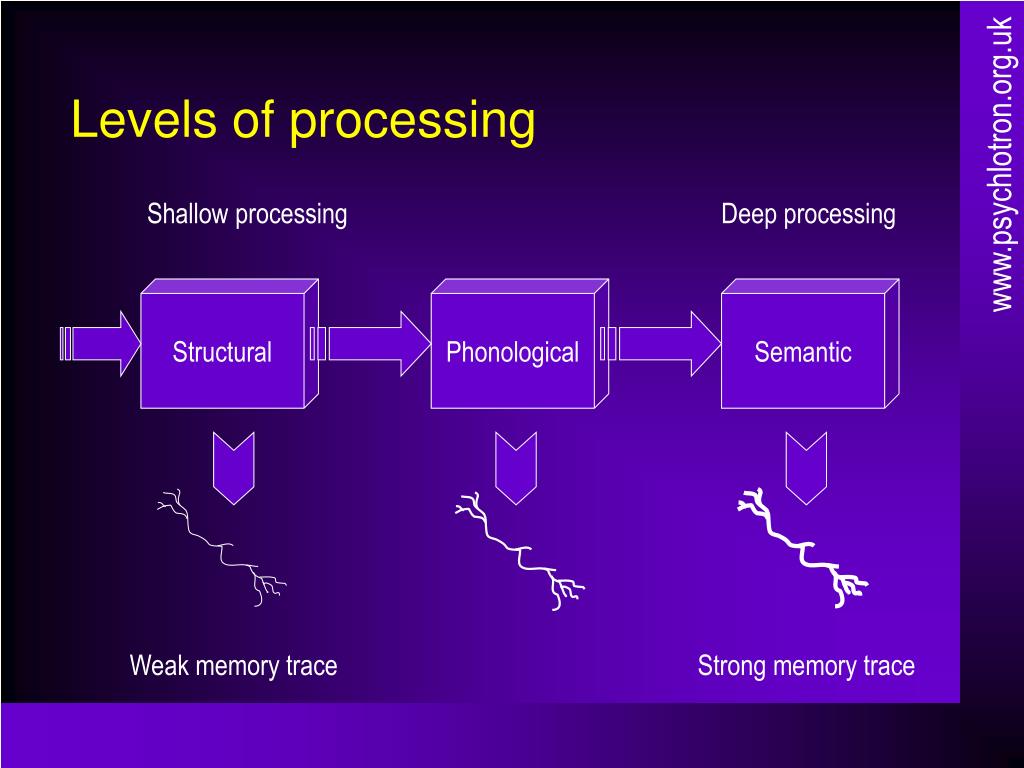
Three friends—Priya, Rohan, and Meera—from Delhi’s Modern School had a biology test on the human circulatory system scheduled for the next day. All three were equally intelligent and motivated. Each decided to study for exactly two hours. The difference was in how they used those two hours.
Priya’s Approach: Shallow Processing
Priya spent her two hours reading the chapter about the circulatory system three times, start to finish. She highlighted important terms in yellow, reread those highlighted sections, and then read the entire chapter one final time. She recognized all the terms by the end—heart, arteries, veins, capillaries, blood pressure—and felt confident she’d studied thoroughly. The information looked familiar to her.
Rohan’s Approach: Intermediate Processing
Rohan spent his two hours differently. He read the chapter once, then created flashcards with terms on one side and definitions on the other. He spent the remaining time testing himself with these flashcards: “What is systole?” “Name three types of blood vessels.” “Where does oxygenated blood go?” He practiced retrieving the definitions and facts from memory repeatedly.
Meera’s Approach: Deep Processing
Meera spent her two hours most differently. After reading the chapter once, she asked herself questions requiring thought: “Why does the body need two separate circulation loops (pulmonary and systemic)?” “How would high blood pressure affect different organs and why?” “What would happen if heart valves stopped working properly?” She drew diagrams connecting concepts, explained the circulatory system out loud as if teaching it to her younger sister, and related it to things she’d observed (feeling her pulse, understanding why she breathes harder when running).
The next day, all three took the same test. The results were striking:
Priya scored 62%. She could recognize terms when she saw them but struggled with questions requiring understanding. “Explain why the heart has four chambers” left her blank—she remembered reading about four chambers but couldn’t explain why.
Rohan scored 75%. He successfully recalled definitions and facts but struggled with questions requiring application or deeper understanding. He knew what systole meant but couldn’t explain how systole and diastole work together in the cardiac cycle.
Meera scored 91%. She not only knew facts but understood relationships, could explain processes, and answered application questions correctly. She remembered information more deeply because she’d processed it more deeply during studying.
All three had studied for the same two hours using the same textbook. But their study methods—how deeply they processed the information—created dramatically different learning outcomes. The time invested was equal; the processing depth was not.
Their biology teacher later explained: “You’ve discovered the levels-of-processing effect—one of the most important principles in learning science. Memory encoding happens at different depths, and deeper processing creates stronger, more lasting, more flexible learning than shallow processing. Priya used the shallowest processing—visual familiarity through rereading. This creates recognition but weak memory. Rohan used intermediate processing—retrieval practice of facts. This creates better memory than rereading. Meera used the deepest processing—elaboration, connection-making, and meaningful engagement with the material. This creates the strongest, most flexible memory.”
She continued: “This is why how you study matters more than how long you study. Two hours of shallow processing produces weak learning. Two hours of deep processing produces robust understanding. Students who study for many hours using shallow methods often perform worse than students studying fewer hours using deep methods. The secret isn’t more time—it’s deeper processing during that time. Make your studying engage your brain more deeply, and you’ll learn better without needing more hours.”
This cognitive principle—where different depths of information processing during learning create different strengths of memory—affects all learning, from academic studying to skill acquisition. Understanding the levels-of-processing effect reveals why rereading is ineffective studying, why elaboration and connection-making enhance learning, why explaining material to others is powerful, and why your study methods matter far more than your study duration.
What Is the Levels-of-Processing Effect?
The levels-of-processing effect is the memory phenomenon where information processed more deeply—through meaningful analysis, elaboration, connection-making, and thoughtful engagement—is remembered significantly better than information processed shallowly—through superficial features like appearance, sound, or simple repetition. Deep processing creates strong, lasting, flexible memories; shallow processing creates weak, temporary, inflexible memories. The effect shows that how you think about information during learning determines how well you’ll remember it—not how long you spend with it or how many times you encounter it.
The principle was formulated by psychologists Fergus Craik and Robert Lockhart in 1972. Research at University of Toronto demonstrated the effect by having people process words at different depths: shallow processing (judging whether words were printed in capital letters), intermediate processing (judging whether words rhymed with other words), or deep processing (judging whether words fit meaningfully into sentences). Later surprise memory tests showed dramatic differences: deep processing produced recall approximately three times better than shallow processing, despite equal time and attention during the processing tasks.
According to studies from Washington University in St. Louis, the levels-of-processing effect operates because deeper processing creates more elaborate memory traces with more connections to existing knowledge. Shallow processing encodes superficial features (visual appearance, sounds) that create weak traces with few retrieval routes. Deep processing encodes meaning, relationships, and connections that create rich traces with multiple retrieval routes. More connections mean more ways to access the memory, making deep-processed information easier to remember.
Research from University of California, Los Angeles demonstrates that the levels-of-processing effect is particularly strong when: (1) deep processing involves personally meaningful elaboration (connecting to your own experiences), (2) deep processing creates multiple connections (linking to many existing knowledge nodes), (3) deep processing requires active thinking rather than passive observation (generating explanations vs. reading them), and (4) retention is tested after delays (deep processing advantages increase over time as shallow traces fade faster). These conditions make depth of processing the primary determinant of learning success.
The Parable of the Three Apprentice Chefs
A teaching tale illustrates levels of processing through three apprentices learning to cook traditional dal from a master chef.
The First Apprentice: Shallow Processing
The first apprentice watched the master chef prepare dal and carefully wrote down every step: “Heat oil for 30 seconds. Add mustard seeds. Wait until they pop. Add cumin. Add turmeric, salt, chili powder. Add dal. Add water. Boil 20 minutes. Add tomatoes. Cook 10 more minutes.” He memorized this sequence through repetition, reading it multiple times until he could recite the steps.
When asked to prepare dal weeks later, he could follow his written recipe but couldn’t adapt. When mustard seeds weren’t available, he couldn’t substitute. When asked why dal needs to be boiled for 20 minutes, he didn’t know—he’d only memorized the procedure without understanding.
The Second Apprentice: Intermediate Processing
The second apprentice also watched and wrote down steps, but then practiced them repeatedly. He made dal multiple times, memorizing the sequence through doing rather than just reading. He became efficient at following the procedure and could prepare dal without checking his notes.
When asked to prepare dal weeks later, he could follow the procedure from memory. But when circumstances changed—a larger quantity needed, different dal variety available, tomatoes unavailable—he struggled to adapt because he’d memorized the specific procedure without understanding why each step mattered.
The Third Apprentice: Deep Processing
The third apprentice watched and asked questions revealing deeper thinking: “Why do we heat the oil before adding seeds? Why do mustard seeds need to pop? Why add spices in this particular order? Why does dal need exactly 20 minutes boiling and how would I judge if different dal varieties need different times? Why add tomatoes near the end rather than with the dal?”
The master answered each question, and the apprentice connected cooking principles to broader understanding: oil needs high heat to release spice flavors, mustard seed popping indicates proper temperature, spice order prevents burning delicate spices, dal boiling time depends on the variety and desired texture, tomatoes added early become too mushy. He understood the why behind every step.
When asked to prepare dal weeks later, he cooked expertly and adapted easily. No mustard seeds? He substituted appropriately, knowing what the seeds’ purpose was. Different dal variety? He adjusted boiling time based on testing texture, knowing what he was checking for. This apprentice could create variations, adapt recipes, and teach others because he’d learned through deep understanding rather than shallow memorization.
A visiting chef asked the master: “All three apprentices watched the same demonstration and spent similar time learning. Why do their abilities differ so dramatically?”
The master explained: “They processed the learning at different depths. The first processed only surface information—the sequence of steps—without understanding. The second processed procedures through practice, creating motor memory of the sequence. The third processed meaning deeply—understanding purposes, principles, and relationships that let him think culinarily rather than just follow recipes. Deep processing creates true mastery; shallow processing creates fragile surface learning that breaks under any challenge.”
Buddhist teaching emphasizes deep processing in the distinction between sutra (words to memorize) and prajna (deep understanding/wisdom). The Buddha taught that merely memorizing sutras without understanding their meaning provides little benefit—you need to process teachings deeply, contemplating their significance and connecting them to experience. The Kalamas Sutta teaches: don’t accept teachings based on repetition or tradition (shallow processing) but through direct knowledge and understanding (deep processing). This ancient pedagogy recognized that depth of mental engagement, not exposure duration, determines learning quality.
The Bhagavad Gita addresses this through Krishna’s teaching about jnana yoga (path of knowledge/understanding) versus mere rote learning. Krishna emphasizes tattva-darshana (seeing the truth/essence) over repeating words—understanding principles deeply rather than memorizing superficially. The teaching recognizes that wisdom comes from deep contemplation and connection-making, not from shallow repetition—exactly the levels-of-processing principle.
How Depth of Thinking During Learning Determines Memory
In studying and academic learning, the levels-of-processing effect makes deep study methods (self-explanation, elaboration, connection-making) dramatically more effective than shallow methods (rereading, highlighting). Research shows that students using deep processing methods retain 40-70% of material after weeks, while students using shallow methods retain 10-20% despite equal study time. How you think about material while studying matters far more than how long you study it.
Studies from Purdue University comparing study methods found that students who studied by elaborative interrogation (asking and answering “why” questions about material) and self-explanation (explaining concepts in their own words) scored 25-35 percentage points higher on exams than students who studied by rereading and highlighting, despite spending equal time. The deep processing methods engaged meaning-making that shallow methods didn’t trigger.
In vocabulary learning and language acquisition, the levels-of-processing effect makes vocabulary learned through deep processing (using words in personally meaningful sentences, connecting to known words, understanding etymology) stick far better than vocabulary learned through shallow processing (reading definitions, drilling flashcards without elaboration). Research shows deep vocabulary processing creates retention 2-3 times better than shallow processing.
Studies from University of Edinburgh found that second-language learners who learned vocabulary through the “keyword method” (creating meaningful imagery connecting new words to known words) or through personally relevant sentence generation retained 70-80% of vocabulary after one month, while learners who studied through reading definitions and drilling flashcards retained only 25-35%. The deep processing through imagery and personal elaboration created robust memories that shallow drilling couldn’t match.
In eyewitness memory and testimony accuracy, the levels-of-processing effect affects how well witnesses remember events based on how deeply they processed them originally. Research shows that witnesses who deeply processed events (thinking about them, making sense of them, connecting to context) remember significantly more accurately than witnesses who only shallowly processed (casually noticed without deep engagement). Attention depth matters more than attention duration.
Studies from University of California, Irvine examining eyewitness memory found that witnesses who reported thinking deeply about what they witnessed during the event (trying to understand what was happening, why, what it meant) showed 30-40% better recall accuracy weeks later than witnesses who reported only superficial attention (noticing something was happening without deeper engagement), even when both groups reported watching for equal durations. Depth of processing during encoding determined later memory quality.
In skill acquisition and procedural learning, the levels-of-processing effect makes skills learned through deep understanding of underlying principles more flexible and transferable than skills learned through shallow repetitive practice. Research shows that learners who practice with understanding of why techniques work develop adaptive expertise, while learners who practice without understanding develop rigid expertise that doesn’t transfer.
Studies from Carnegie Mellon University examining mathematics learning found that students taught through worked examples requiring explanation of each step (deep processing of mathematical principles) developed better problem-solving ability for novel problems than students taught through repeated practice of similar problems without explanation (shallow procedural learning). The deep processing of principles created flexible understanding that procedural drilling didn’t produce.
In professional expertise development, the levels-of-processing effect explains why experts who developed expertise through deliberate practice involving deep analysis of performance outperform experts who practiced extensively without deep analysis. Research shows that mere repetition (shallow processing) creates competence but not expertise; analyzing errors, understanding principles, and thoughtful refinement (deep processing) creates genuine expertise.
Studies from Florida State University examining expert performance across domains (music, chess, sports) found that time spent in practice correlated weakly with expertise level, while time spent in deliberate practice involving deep analysis of performance correlated strongly with expertise. Simply practicing for thousands of hours (shallow engagement) produced less expertise than fewer hours of practice involving deep analysis of what works, why, and how to improve.
Processing Information Deeply For Lasting Learning
The most important practice for leveraging the levels-of-processing effect is actively engaging with material through elaboration, connection-making, and meaning-seeking rather than passive exposure. When studying, constantly ask: “Why is this true?” “How does this connect to what I already know?” “How would I explain this to someone?” “What examples illustrate this?” This deep processing creates robust learning that passive reading can’t match.
Use study techniques that force deep processing: self-explanation (explaining concepts in your own words), elaborative interrogation (asking and answering why questions), teaching others (requires organizing and explaining meaningfully), and creating analogies or examples (connects new information to existing knowledge). These techniques feel harder than rereading but produce dramatically better retention per unit of time invested.
Avoid shallow processing methods that feel like studying but create weak learning: rereading (creates familiarity but minimal deep processing), highlighting (superficial marking without meaningful engagement), and drilling without elaboration (repetition without meaning-making). These methods feel productive and are easy but produce poor learning. Time spent in shallow processing is largely wasted; better to spend less time in deep processing.
Connect new information to personal experience and existing knowledge systematically. The more connections you create, the more retrieval routes you build, making information easier to remember. Ask: “How does this relate to my life?” “What do I already know that’s similar?” “What’s different from what I expected?” Personal relevance and connection to existing knowledge create deep processing automatically.
Test your understanding through explaining to others or teaching. If you can explain material clearly to someone else, you’ve processed it deeply. If you struggle to explain, you’ve only processed superficially and need deeper engagement. Use teaching opportunities (study groups, helping friends, explaining to family) to force deep processing that creates genuine learning.
Remember the three students whose equal study time produced unequal learning (62%, 75%, 91%) based on processing depth, and the three apprentices whose equal exposure to cooking instruction produced unequal mastery based on how deeply they engaged. Both illustrate that duration of learning opportunity matters far less than depth of processing during that opportunity.
The levels-of-processing effect can’t be avoided because it reflects fundamental features of how memory encoding works—meaningful elaboration creates rich interconnected memory traces while superficial processing creates sparse weakly-connected traces. You can’t force strong memories from shallow processing through willpower or more time; the processing depth determines outcome. But understanding this allows strategic choice: spend your study time on activities requiring deep meaningful engagement rather than shallow repetitive exposure. Two hours of deep processing beats five hours of shallow processing. Work smarter, not just longer—specifically, work more deeply, and your memory will automatically become stronger, more lasting, and more flexible than any amount of shallow work could create.
Frequently Asked Questions
Does deep processing always take longer than shallow processing?
Not necessarily per item, though deep processing feels more effortful. Reading a definition (shallow) vs. creating your own example sentence (deep) might take similar time, but deep processing feels harder because it engages thinking. However, because deep processing creates much better retention, total time to genuine mastery is often less—spending 2 hours in deep processing might create learning that would take 5+ hours of shallow processing to match, making deep processing more time-efficient overall.
Can I use shallow processing for some things and deep for others?
Yes strategically: use deep processing for information you need to understand, apply, and remember long-term (core course concepts, professional knowledge, important skills). Use shallow processing only for temporary information you’ll use once then forget (directions you only need today, names you’ll encounter once, trivial facts for one-time use). Most academic studying should use deep processing because exams test understanding and retention.
Why does rereading feel like effective studying if it’s actually shallow?
Because rereading creates fluency (familiarity) that feels like learning. As you reread, information becomes more familiar and easier to process, creating the subjective sense you’re learning it. But this fluency is temporary and doesn’t indicate actual learning. Hours after rereading, fluency fades and you realize you remember little. The feeling during studying is misleading—deep processing feels harder but produces actual learning.
How can I tell if I’m processing deeply enough?
Test yourself: can you explain the concept to someone without looking at notes? Can you answer “why” questions about it? Can you create novel examples? Can you connect it to other concepts? If yes, you’ve processed deeply. If you can only recognize information when you see it but can’t explain or apply it, you’ve only processed shallowly. Teaching ability indicates processing depth better than recognition or familiarity.
Does the levels-of-processing effect apply to memorizing simple facts?
Yes—even memorizing facts benefits from deep processing. Rather than drilling “The capital of France is Paris” (shallow repetition), process deeply: “Why is Paris the capital? What makes it different from other French cities? What do I already know about Paris?” Even factual memorization improves with meaningful elaboration versus mechanical repetition. Deep processing helps all learning types, not just conceptual understanding.
Observer Voice is the one stop site for National, International news, Sports, Editor’s Choice, Art/culture contents, Quotes and much more. We also cover historical contents. Historical contents includes World History, Indian History, and what happened today. The website also covers Entertainment across the India and World.

