

Trump Addresses European Allies on Russian Sanctions Easing Tied to India Amid Middle East Oil Crisis

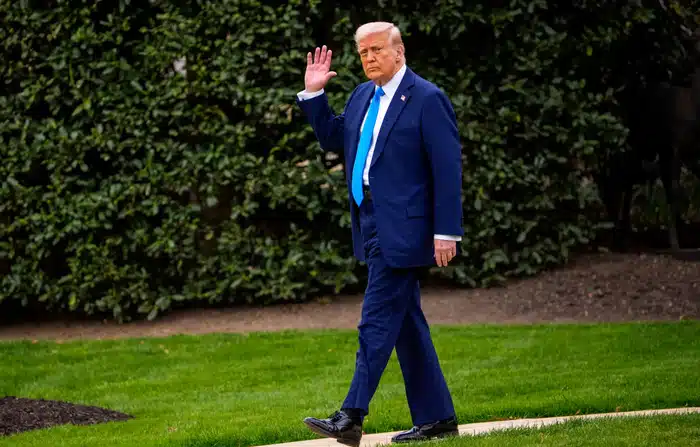
Even as the global economy grapples with a significant oil supply crisis, the Trump administration has signaled to European nations that any potential easing of sanctions on Russian crude oil would primarily benefit India. On Monday, President Trump hinted at the possibility of lifting certain oil-related sanctions to help stabilize rising prices. This discussion reportedly arose during a phone call with Russian President Vladimir Putin, although details remain sparse.
US Sanctions and European Relations
The United States has communicated to its European allies that any relaxation of sanctions on Russian oil would be specifically targeted at shipments intended for India. This development comes amid escalating oil prices, which have surged since the onset of the US-Israel-Iran conflict. The situation has prompted India to increase its imports of Russian crude oil, particularly as supplies from the Middle East have been disrupted due to the closure of the Strait of Hormuz.
According to a Bloomberg report, the US has provided a waiver to India for Russian oil cargoes already in transit. Indian officials assert that their country has consistently purchased Russian crude and does not require external approval to make decisions regarding its energy security. Despite President Trump’s suggestion that a trade agreement could hinge on India’s commitment to cease Russian oil purchases, Indian authorities maintain that their energy procurement decisions are driven by national interests.
India’s Energy Strategy
India has emphasized its autonomy in energy procurement, stating that it sources crude oil based on availability, competitive pricing, and delivery capabilities. A government source reiterated that India has not halted its imports from Russia, which remains the largest supplier of crude oil to the country. The Indian government has made it clear that it does not seek permission from any nation to secure its energy needs.
Sources indicate that the recent announcement of a “30-day waiver” for Indian imports of Russian oil was primarily aimed at a domestic audience in the United States. During a recent G-7 finance ministers’ conference call, US officials clarified that the waiver’s scope and duration are limited. European Union Economy Commissioner Valdis Dombrovskis noted that the US does not anticipate significant impacts on Russian oil revenues from this decision.
Global Oil Market Dynamics
As the situation unfolds, oil production cuts in the Middle East are becoming more pronounced, particularly due to reduced activity in the crucial Strait of Hormuz. This disruption has driven crude prices close to $120 per barrel. President Trump remarked that the US and Israel are making substantial progress in their military efforts against Iran, suggesting that the conflict could conclude soon. This statement has somewhat alleviated the earlier spike in oil prices.
Despite ongoing hostilities, G-7 nations have expressed readiness to release oil from their strategic reserves if necessary. However, some member states believe that the current circumstances do not warrant such a measure. Discussions among US officials indicate that any future sanction relief would likely follow a similarly narrow and carefully defined framework, with final decisions resting with President Trump.
Observer Voice is the one stop site for National, International news, Sports, Editor’s Choice, Art/culture contents, Quotes and much more. We also cover historical contents. Historical contents includes World History, Indian History, and what happened today. The website also covers Entertainment across the India and World.

