

Respiratory Syncytial Virus: The Common Infection Hospitalizing Millions of Babies
Why RSV Is the Leading Cause of Infant Hospitalization Worldwide

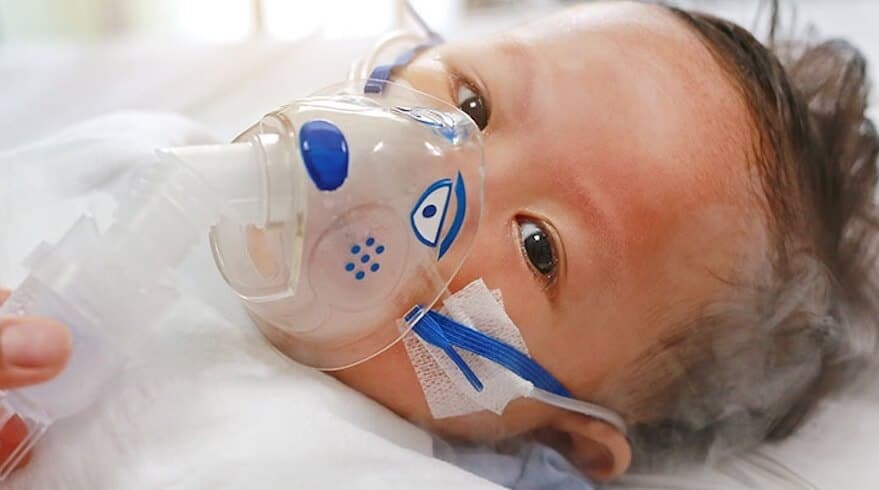
Three-month-old Emma had been fussy for two days with a runny nose and mild cough. Her parents, first-time caregivers, thought she had a common cold and weren’t overly concerned. But on the third day, Emma’s breathing became rapid and labored. Her tiny chest pulled inward with each breath, and she made a high-pitched wheezing sound. She refused to eat, becoming increasingly lethargic. Terrified, her parents rushed her to the emergency room where doctors immediately recognized the telltale signs of severe respiratory syncytial virus (RSV) infection—a common virus that causes mild cold symptoms in older children and adults but can be life-threatening in young infants.
Emma required hospitalization, oxygen therapy, and intensive monitoring for five days before recovering. Her parents were shocked to learn that this virus they’d never heard of sends approximately 3.6 million children under five to hospitals globally each year and kills an estimated 100,000-200,000 children annually, making it the leading cause of hospitalization in infants worldwide. “Why didn’t anyone warn us about RSV?” Emma’s mother asked. “Everyone talks about flu and COVID-19, but I’d never heard of this virus that’s apparently so dangerous for babies.”
Her question reflects a broader public health challenge—despite RSV being the most common cause of severe lower respiratory tract infection in young children globally, most parents and even many healthcare workers don’t fully appreciate its impact. RSV operates in the shadows, causing an enormous disease burden that receives far less public attention than diseases with smaller health impacts.
According to the World Health Organization, respiratory syncytial virus (RSV) is a common respiratory virus that infects the lungs and breathing passages. While most people infected with RSV develop mild cold-like symptoms and recover within a week or two, RSV can be serious, especially for infants and older adults. WHO recognizes RSV as a leading cause of childhood illness globally, causing approximately 3.6 million hospitalizations and 100,000-200,000 deaths annually in children under five years old. The virus is highly contagious, spreading through respiratory droplets when infected people cough or sneeze, direct contact like kissing an infected person’s face, and touching contaminated surfaces then touching eyes, nose, or mouth. Nearly all children contract RSV by age two, though most experience only mild illness. However, certain groups—particularly infants under six months, premature babies, and children with heart or lung conditions—face high risks of severe disease requiring hospitalization.
Understanding RSV
RSV is a common respiratory virus from the Pneumoviridae family that primarily infects the respiratory tract. The virus causes inflammation and mucus production in small airways of the lungs (bronchioles) and air sacs (alveoli), leading to bronchiolitis—inflammation of the small airways causing breathing difficulty. In infants, whose airways are already narrow, even mild swelling can severely obstruct breathing.
RSV spreads extremely easily through respiratory droplets when infected people cough, sneeze, or talk, direct contact including kissing infected children or adults, and contaminated surfaces where the virus can survive for hours on hard surfaces like tables and crib rails. People infected with RSV are typically contagious for 3-8 days, though some infants and people with weakened immune systems can spread the virus for up to four weeks even after symptoms resolve.
RSV exhibits seasonal patterns in most regions—in temperate climates, RSV typically circulates during fall, winter, and early spring with peak activity in winter months, while in tropical climates, RSV may circulate year-round with less pronounced seasonality. This seasonal pattern means hospitals experience annual RSV surges overwhelming pediatric wards during peak months.
Nearly everyone has been infected with RSV by age two, yet people can be reinfected throughout life because immunity after infection is incomplete and temporary. While repeat infections typically cause milder illness than primary infections, RSV remains a common cause of respiratory illness in all age groups. Like influenza, RSV requires annual vigilance during peak seasons.
Who Is Most at Risk?
While RSV infects people of all ages, certain groups face particularly high risks of severe disease. Young infants, especially those under six months, face greatest risk because their airways are small and easily obstructed, their immune systems are immature and less able to fight infection, and they cannot effectively clear mucus from their airways. Approximately 1-2% of infants with RSV require hospitalization.
Premature babies born before 37 weeks gestation have underdeveloped lungs and immune systems, creating dramatically elevated risks—premature infants are 5-10 times more likely to be hospitalized with severe RSV than full-term infants. Children with certain medical conditions face higher risks including chronic lung disease (including those born prematurely requiring oxygen), congenital heart disease causing abnormal blood flow or oxygen delivery, neuromuscular disorders affecting ability to clear secretions, and immune deficiencies compromising ability to fight infections.
Older adults, particularly those over 65, face increased severe RSV risks due to weakening immune systems, underlying chronic conditions, and age-related changes in lung function. RSV causes an estimated 60,000-160,000 hospitalizations and 6,000-10,000 deaths annually among older adults in the United States alone. Adults with chronic heart or lung diseases, weakened immune systems (from medications, HIV, cancer treatment), and certain other conditions also face elevated risks.
Like pneumonia and pertussis, RSV disproportionately harms the most vulnerable—the very young and the very old.
Symptoms and Complications
RSV symptoms vary dramatically by age and health status. In healthy older children and adults, RSV typically causes mild cold-like symptoms including runny nose, decrease in appetite, coughing, sneezing, fever, and wheezing. These symptoms usually resolve in 1-2 weeks without complications.
In infants and young children, particularly those at high risk, RSV can cause severe illness with symptoms including very congested or runny nose, cough, fever, rapid breathing (more than 60 breaths per minute in infants), difficulty breathing including flaring nostrils, grunting, wheezing (high-pitched whistling sound when breathing), and retractions (chest pulling inward with each breath). Danger signs requiring immediate medical attention include very rapid breathing, struggling to breathe with chest retractions, bluish color around mouth or fingernails indicating inadequate oxygen, dehydration from inability to eat or drink, and lethargy or unusual irritability.
Complications in severe cases include bronchiolitis—inflammation of small airways causing breathing difficulty, the most common complication in infants; pneumonia—lung infection that can be life-threatening; respiratory failure requiring mechanical ventilation; and dehydration from difficulty eating and drinking. Most hospitalized infants recover with supportive care including oxygen therapy and intravenous fluids, though severe cases can be fatal particularly in high-risk infants.
Long-term consequences may include increased risk of developing asthma and recurring wheezing episodes in childhood, particularly in infants hospitalized with severe RSV. Like maternal health complications, RSV severe disease can have lasting impacts beyond the acute illness.
Prevention and Treatment
RSV prevention has historically been limited but is improving with new vaccines and preventive treatments. A monoclonal antibody called palivizumab can prevent severe RSV disease in high-risk infants including those born prematurely, those with chronic lung disease, and those with certain heart conditions. Given monthly during RSV season, palivizumab reduces hospitalization risk by approximately 50-80% in high-risk infants. However, it’s expensive and requires monthly injections, limiting widespread use.
Newly approved preventive antibodies including nirsevimab offer longer protection with a single dose covering the entire RSV season, potentially expanding prevention to all infants. RSV vaccines for pregnant women protect newborns through transferred maternal antibodies during the first vulnerable months. Vaccines for older adults prevent severe RSV in those over 60.
Since no specific antiviral treatment exists for RSV, management focuses on supportive care. Mild cases at home require ensuring adequate hydration, using fever reducers if needed (acetaminophen or ibuprofen), and monitoring for worsening symptoms. Severe cases requiring hospitalization receive oxygen therapy supporting breathing, intravenous fluids if unable to drink adequately, suctioning to clear mucus from airways, and rarely, mechanical ventilation for respiratory failure.
Prevention strategies for everyone include frequent handwashing with soap and water, avoiding touching face with unwashed hands, covering coughs and sneezes, avoiding close contact with sick people, cleaning and disinfecting frequently touched surfaces, and staying home when sick. For protecting infants specifically, limiting exposure to crowds during RSV season, keeping babies away from sick people, avoiding sharing cups or eating utensils, and encouraging everyone to wash hands before touching infants all help reduce transmission.
Like primary health care emphasizing prevention, RSV control focuses on reducing transmission and protecting vulnerable populations.
Emma’s Recovery and Awareness
Emma made a full recovery after her five-day hospitalization, though the experience profoundly affected her parents. “We were so lucky to recognize the warning signs and get her to the hospital quickly,” her mother reflects. “But I wish we’d known about RSV before she got sick. Understanding the symptoms that require emergency care might have prompted us to seek help sooner. Now we educate other new parents about RSV—what to watch for and when to seek help immediately.”
Dr. Rodriguez, the pediatrician who treated Emma, emphasizes broader implications: “RSV is the leading cause of infant hospitalization globally, yet most parents haven’t heard of it until their child gets sick. This knowledge gap is dangerous. Every parent should know that RSV causes potentially serious illness in young infants, symptoms requiring immediate medical attention, and prevention strategies protecting vulnerable babies. We need public health campaigns raising RSV awareness like those for measles and polio. New preventive antibodies and vaccines offer hope for reducing RSV burden, but until these are widely available and affordable, education remains our best tool. Healthcare providers must educate parents about RSV during prenatal visits and well-child checkups. Communities need awareness that this common virus can be life-threatening for young infants. By raising awareness, ensuring access to new preventive measures, providing rapid treatment for severe cases, and supporting research on better treatments and universal infant vaccines, we can reduce RSV’s enormous toll on children globally.”
Frequently Asked Questions (FAQs)
Respiratory syncytial virus (RSV) is a common respiratory virus causing mild cold-like symptoms in most people but potentially severe illness in young infants. RSV infects airways and lungs, causing inflammation and mucus production. In infants, small airways can become severely obstructed even with mild swelling, causing breathing difficulty. RSV is dangerous for babies because their airways are narrow and easily blocked, immune systems are immature and less able to fight infection, they cannot effectively clear mucus, and severe cases can cause bronchiolitis, pneumonia, and respiratory failure. RSV causes approximately 3.6 million hospitalizations and 100,000-200,000 deaths annually in children under five globally, making it the leading cause of infant hospitalization worldwide. Nearly all children contract RSV by age two, though most recover without complications. High-risk groups include infants under six months, premature babies, and those with heart or lung conditions.
RSV spreads extremely easily through respiratory droplets when infected people cough, sneeze, or talk; direct contact like kissing infected people; and touching contaminated surfaces then touching face. People are contagious for 3-8 days, though infants can spread virus for weeks. Prevention strategies include frequent handwashing with soap and water, avoiding touching face with unwashed hands, covering coughs and sneezes, avoiding close contact with sick people, cleaning frequently touched surfaces, and staying home when sick. For protecting infants specifically: limit exposure to crowds during RSV season (typically fall through spring in temperate climates), keep babies away from sick people, avoid sharing cups/utensils, and ensure everyone washes hands before touching infants. New preventive measures include monoclonal antibodies (palivizumab, nirsevimab) protecting high-risk infants and RSV vaccines for pregnant women protecting newborns through transferred antibodies.
Mild RSV symptoms resemble common colds—runny nose, cough, sneezing, fever. However, warning signs of severe RSV requiring immediate medical attention include very rapid breathing (more than 60 breaths/minute in infants), difficulty breathing with chest retractions (chest pulling inward with each breath), flaring nostrils, grunting, wheezing (high-pitched whistling when breathing), bluish color around mouth or fingernails indicating inadequate oxygen, dehydration from inability to eat or drink, and unusual lethargy or irritability. Parents should seek immediate care if infants show these symptoms. Even without these danger signs, young infants (especially under three months) or high-risk children with any RSV symptoms should be evaluated by healthcare providers. Early recognition and treatment prevent complications. Most hospitalized infants recover with supportive care including oxygen and fluids, though severe cases can be life-threatening.
No specific antiviral medication cures RSV—treatment focuses on supportive care managing symptoms. For mild cases: ensure adequate fluids, use fever reducers if needed, monitor for worsening. Severe cases may require hospitalization for oxygen therapy, intravenous fluids, airway suctioning, rarely mechanical ventilation. Prevention has recently improved: Monoclonal antibodies (palivizumab, nirsevimab) prevent severe RSV in high-risk infants—given during RSV season, they reduce hospitalization risk 50-80%. Nirsevimab offers single-dose protection covering entire season. RSV vaccines for pregnant women protect newborns through transferred antibodies during vulnerable first months. Vaccines for older adults prevent severe RSV in those over 60. While these preventive measures are promising, ensuring global access particularly in low-income countries where RSV burden is highest remains challenging. Universal infant vaccines are under development.
Despite being the leading cause of infant hospitalization globally, RSV receives less public attention than diseases with smaller health impacts for several reasons: (1) Most RSV infections are mild, causing typical cold symptoms, so many parents don’t realize the virus causing their child’s cold can be dangerous for younger infants; (2) Until recently, no vaccines or widely accessible preventive measures existed, so public health campaigns focused on preventable diseases like measles; (3) RSV rarely causes dramatic outbreaks like COVID-19 or flu—instead it causes steady annual burden less visible to general public; (4) Medical community has normalized RSV as expected part of childhood rather than preventable threat; (5) Research and public health funding have historically prioritized other diseases. This is changing as new preventive measures become available and awareness grows about RSV’s enormous global burden. Increasing education for parents and healthcare providers about RSV symptoms, risks, and prevention is crucial for reducing hospitalizations and deaths.
References
- World Health Organization. (2024). Respiratory syncytial virus (RSV). Retrieved from https://www.who.int/health-topics/respiratory-syncytial-virus
- World Health Organization. (2024). Respiratory syncytial virus (RSV) – Fact Sheet. Retrieved from https://www.who.int/news-room/fact-sheets/detail/respiratory-syncytial-virus-(rsv)
- Centers for Disease Control and Prevention. (2024). Respiratory Syncytial Virus Infection (RSV). Retrieved from https://www.cdc.gov/rsv/
- Observer Voice. Influenza (Flu): Prevention, Vaccination, and Treatment. Retrieved from https://observervoice.com/influenza-flu-prevention-vaccination-symptoms-treatment/
- Observer Voice. Pneumonia: The Infectious Lung Disease Killing 740,000 Children. Retrieved from https://observervoice.com/pneumonia-symptoms-treatment-prevention-children-vaccination/
- Observer Voice. Pertussis: The Whooping Cough Still Killing Thousands. Retrieved from https://observervoice.com/pertussis-whooping-cough-vaccination-prevention-infants/
Disclaimer: This article is an adaptation of publicly available information from WHO’s Respiratory
health topic page (WHO, Geneva. Licence: CC BYNC-SA 3.0 IGO). WHO is not responsible for the
content or accuracy of this adaptation. This content is for informational and educational purposes
only and does not constitute medical advice. ObserverVoice.com is a news and information platform
— not a healthcare provider.
Observer Voice is the one stop site for National, International news, Sports, Editor’s Choice, Art/culture contents, Quotes and much more. We also cover historical contents. Historical contents includes World History, Indian History, and what happened today. The website also covers Entertainment across the India and World.

