

Radiation Emergencies: Preparing for Nuclear Accidents and Disasters
How Communities Can Protect Health During Radioactive Events

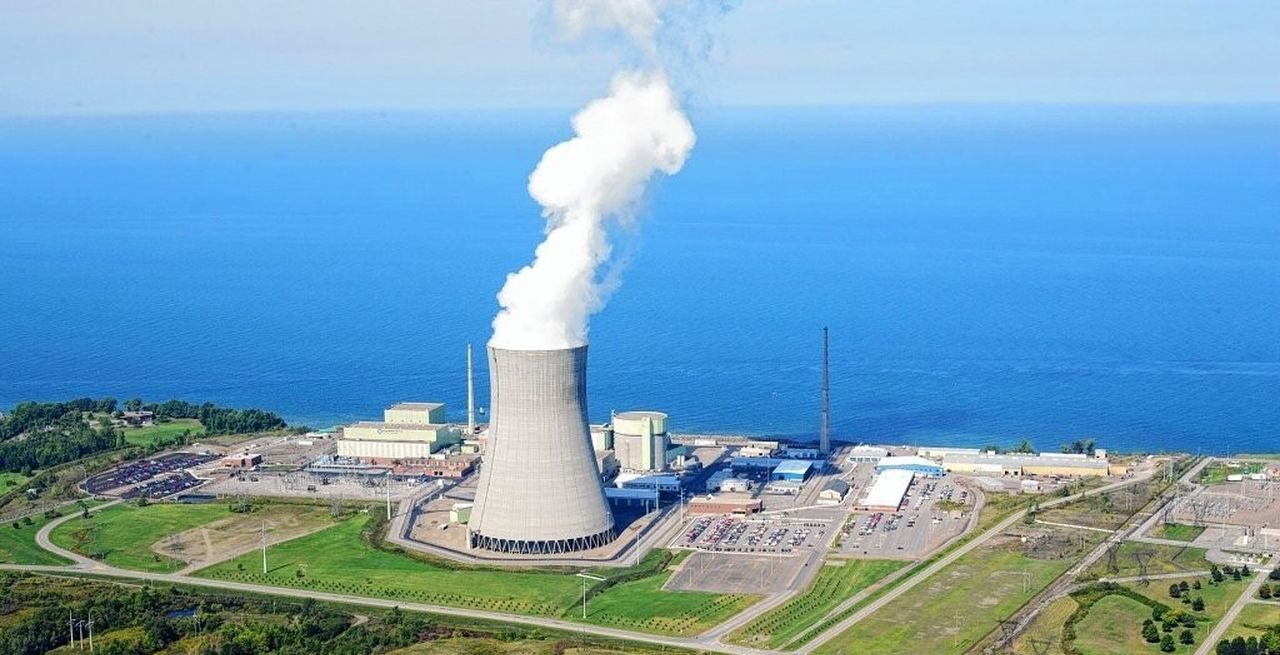
On March 11, 2011, a massive 9.0 magnitude earthquake struck off Japan’s coast, triggering a devastating tsunami that killed over 18,000 people. The tsunami overwhelmed the Fukushima Daiichi Nuclear Power Plant, flooding critical cooling systems and causing three nuclear reactors to melt down. Radioactive materials escaped into the environment, forcing the evacuation of over 160,000 people from surrounding areas. Emergency responders, government officials, and healthcare workers faced urgent questions: Which areas were dangerously contaminated? Who needed evacuation? What health risks did radiation exposure create? How could people protect themselves?
The Fukushima disaster, like Chernobyl in 1986 and Three Mile Island in 1979, demonstrated that while nuclear accidents are rare, their consequences can be catastrophic, affecting millions of people over vast areas for decades. Less dramatic but still serious radiation emergencies occur more frequently—accidents at industrial facilities using radioactive materials, lost or abandoned radioactive sources causing inadvertent exposure, transportation accidents involving radioactive materials, and potential radiological terrorism using “dirty bombs” dispersing radioactive materials.
According to the World Health Organization, radiation emergencies are situations requiring prompt action to protect public health and safety from radiation exposure. These emergencies can result from accidents at nuclear power plants, accidents involving radioactive materials in industry or medicine, lost or orphaned radioactive sources, transportation accidents, radiological terrorism, or nuclear weapons use. WHO emphasizes that while serious radiation emergencies are rare, preparedness is essential because rapid, appropriate response dramatically reduces health impacts. Key protective actions include evacuation or sheltering, distribution of stable iodine to prevent thyroid cancer, food and water safety measures, decontamination, and long-term health monitoring.
Types of Radiation Emergencies
Radiation emergencies vary in scale, impact, and required response. Nuclear power plant accidents like Fukushima and Chernobyl represent the most serious events, potentially releasing large amounts of radioactive materials affecting wide areas and many people. These accidents typically result from natural disasters (earthquakes, tsunamis), equipment failures, human errors, or combinations of factors. Modern reactor designs include extensive safety systems, making such accidents rare, but consequences when they occur are severe.
Accidents involving industrial or medical radioactive sources occur when devices containing radioactive materials used in industry (radiography, measuring instruments) or medicine (radiation therapy machines, sterilization equipment) are damaged, lost, or abandoned. People finding these sources without recognizing danger can receive lethal radiation doses. Transportation accidents during shipping of radioactive materials used in medicine, industry, or research can release radioactivity, though typically affecting smaller areas than power plant accidents.
Radiological terrorism using “dirty bombs”—conventional explosives combined with radioactive materials—could disperse radioactivity over areas causing panic and requiring extensive cleanup, though radiation health effects would likely be limited compared to blast injuries. Nuclear weapons use, whether in warfare or terrorism, would combine blast effects, thermal radiation, and ionizing radiation creating massive casualties and long-term contamination. Orphaned radioactive sources—radioactive materials lost, abandoned, or stolen from legitimate uses—have caused serious radiation injuries when found by people unaware of dangers.
Like plague and other rare but serious threats, radiation emergencies require preparedness despite low probability.
Health Effects and Immediate Dangers
Radiation emergency health effects depend on exposure dose, duration, and contamination type. Acute radiation syndrome (ARS) develops when people receive high radiation doses (above 1,000 millisieverts) over short periods, causing nausea, vomiting, diarrhea, skin burns, hair loss, immune system damage, and potentially death at very high doses. First responders and plant workers at Fukushima and Chernobyl experienced ARS, with Chernobyl causing 28 deaths from acute radiation effects among emergency responders.
Radioactive contamination occurs when radioactive materials deposit on skin, clothing, or enter the body through breathing, eating contaminated food, or drinking contaminated water. External contamination on skin or clothing requires decontamination but doesn’t necessarily cause serious harm if removed promptly. Internal contamination from breathing or ingesting radioactive materials is more concerning because radioactive elements concentrate in specific organs—radioactive iodine concentrates in thyroid gland potentially causing thyroid cancer, radioactive cesium distributes throughout body like potassium, and radioactive strontium concentrates in bones like calcium.
Long-term health effects primarily involve increased cancer risk years or decades after exposure. Thyroid cancer is particularly concerning, especially in children, from radioactive iodine released in nuclear accidents. After Chernobyl, approximately 5,000 children developed thyroid cancer from radioactive iodine exposure, though most survived with treatment. Other cancers including leukemia can increase after radiation exposure, with risk proportional to dose received.
Psychological and social impacts often exceed physical health effects. Fear and anxiety about radiation exposure, evacuation trauma separating families and communities, economic losses from contaminated agricultural land and property, and stigma against evacuees and affected areas all create substantial suffering. After Fukushima, displacement-related deaths from evacuation stress, separation from support systems, and suicide exceeded radiation-related deaths.
Like maternal health emergencies requiring rapid response, radiation emergencies demand immediate protective actions minimizing exposure.
Protective Actions During Emergencies
Effective response to radiation emergencies requires coordinated protective actions. Evacuation removes people from contaminated areas, the most effective protection when implemented quickly. After Fukushima, evacuating residents from highly contaminated areas within 20 kilometers of the plant prevented significant radiation exposure. However, evacuation itself creates risks, particularly for vulnerable populations including hospitalized patients, elderly people, and those with mobility limitations. Balancing evacuation benefits against risks requires careful assessment.
Sheltering indoors provides protection when evacuation isn’t immediately feasible or radiation levels don’t warrant evacuation. Sheltering involves going inside buildings, closing windows and doors, turning off ventilation systems that bring outside air in, and staying away from windows. Buildings provide shielding from external radiation and prevent breathing contaminated air. Sheltering is particularly appropriate when radioactive material release is brief or when evacuation would create greater risks than remaining sheltered temporarily.
Stable iodine distribution prevents radioactive iodine from accumulating in thyroid glands. When taken before or shortly after exposure to radioactive iodine, stable (non-radioactive) iodine saturates the thyroid, preventing uptake of radioactive iodine and dramatically reducing thyroid cancer risk. After Chernobyl, countries distributing stable iodine to populations at risk prevented many thyroid cancers. However, iodine tablets should only be taken when authorities recommend—unnecessary use provides no benefit and can cause side effects.
Food and water safety measures restrict consumption of contaminated food and water. Authorities monitor radiation levels in food, milk, and water supplies, restricting sale and consumption when levels exceed safety limits. After Fukushima, extensive food monitoring and restrictions prevented significant internal contamination from dietary sources. Decontamination removes radioactive materials from skin, clothing, and environments through washing skin with soap and water, removing and safely disposing of contaminated clothing, and cleaning surfaces with water and detergents. Prompt decontamination prevents radioactive materials from spreading and reduces absorption through skin.
Like primary health care requiring community-level organization, radiation emergency response demands coordinated public health systems.
Preparedness and Planning
Effective radiation emergency response requires advance preparedness. Emergency plans developed by governments, nuclear facilities, and healthcare systems should identify evacuation zones, sheltering areas, and routes, establish command structures and communication systems, designate roles and responsibilities, stockpile emergency supplies including stable iodine and protective equipment, and conduct regular drills and exercises testing response capabilities.
Public education teaches communities about radiation risks, protective actions (evacuation, sheltering, stable iodine use), warning systems and how to respond, and where to get accurate information during emergencies. Healthcare system preparedness involves training medical personnel to recognize and treat radiation injuries, establishing decontamination facilities at hospitals, stockpiling medical supplies for radiation casualties, and planning for surge capacity during mass casualty events.
Monitoring and detection systems include radiation monitoring networks detecting releases early, environmental sampling analyzing air, water, soil, and food for contamination, and personal dosimeters tracking radiation exposure for emergency responders and affected populations. Communication systems provide the public with timely, accurate information through multiple channels including radio, television, internet, mobile alerts, and sirens, coordinating messages across agencies preventing confusion, and countering misinformation and rumors.
International cooperation through WHO, the International Atomic Energy Agency (IAEA), and other organizations facilitates sharing expertise and resources during emergencies, establishing international safety standards, conducting joint exercises, and providing assistance to affected countries. Like One Health requiring cross-sectoral coordination, radiation emergency preparedness demands multidisciplinary collaboration.
Long-Term Recovery and Lessons
After radiation emergencies, long-term recovery requires health monitoring of exposed populations screening for cancers and other health effects, environmental remediation removing or reducing contamination in soil, buildings, and water, economic recovery supporting displaced populations and affected industries, and psychological support addressing trauma, anxiety, and mental health impacts.
Fukushima’s recovery continues over a decade later with ongoing decontamination efforts, gradual return of evacuees to less-contaminated areas, health monitoring of exposed populations, and economic revitalization of affected regions. The disaster prompted global review of nuclear safety, leading to enhanced regulations, improved emergency planning, and greater emphasis on learning from near-misses and minor incidents.
Key lessons from major radiation emergencies include the importance of preparedness—countries with well-developed emergency plans responded more effectively, communication is critical—timely, accurate, consistent information reduces panic and enables appropriate protective actions, evacuation decisions must balance radiation risks against evacuation risks, vulnerable populations require special consideration in planning, and psychological and social impacts often exceed direct radiation health effects requiring comprehensive support.
Dr. Tanaka, a Japanese public health physician who responded to Fukushima, emphasizes: “Radiation emergencies are rare but devastating when they occur. Preparedness saves lives—evacuation plans, stable iodine stockpiles, trained responders, and educated populations enable rapid, effective response. While we can’t prevent all accidents, we can minimize consequences through preparation. Every community near nuclear facilities or using radioactive materials needs emergency plans, regular drills, and public education. The goal isn’t creating fear but building resilience—ensuring that if emergencies occur, we respond effectively, protect health, minimize suffering, and recover successfully. Radiation emergencies also remind us that some technologies, while beneficial, carry serious risks requiring constant vigilance, robust safety cultures, and humility about our ability to control complex systems perfectly.”
Frequently Asked Questions (FAQs)
Q1: What is a radiation emergency and what causes them?
Radiation emergencies are situations requiring prompt action to protect public health from radiation exposure. Causes include nuclear power plant accidents (equipment failures, natural disasters like Fukushima’s earthquake/tsunami, human errors), accidents involving industrial or medical radioactive sources (damaged/lost equipment, improper disposal), transportation accidents during radioactive material shipping, radiological terrorism using “dirty bombs” dispersing radioactive materials, potential nuclear weapons use, and orphaned radioactive sources found by people unaware of dangers. While serious radiation emergencies are rare, consequences can affect millions over vast areas for decades, making preparedness essential. Rapid appropriate response dramatically reduces health impacts through evacuation, sheltering, stable iodine distribution, and food/water safety measures.
Q2: What are the main health risks from radiation emergencies?
Health risks depend on exposure dose and contamination. Acute radiation syndrome (ARS) develops from high doses (>1,000 mSv) received quickly—causes nausea, vomiting, skin burns, immune damage, potentially death. Most affected are emergency responders and plant workers near accident sites. Radioactive contamination from materials depositing on skin/clothing or entering body through breathing/eating/drinking is concerning—radioactive iodine concentrates in thyroid causing thyroid cancer (especially in children), radioactive cesium distributes throughout body, radioactive strontium concentrates in bones. Long-term cancer risk increases proportionally to dose received. After Chernobyl, ~5,000 children developed thyroid cancer from radioactive iodine. Psychological impacts—fear, evacuation trauma, economic losses, stigma—often exceed physical health effects. After Fukushima, displacement-related deaths exceeded radiation-related deaths.
Q3: What should I do during a radiation emergency?
Follow official instructions from authorities through radio, TV, internet, or mobile alerts. Key protective actions include: (1) Evacuation if ordered—leave contaminated areas promptly following designated routes to safe locations; (2) Sheltering indoors if advised—go inside, close windows/doors, turn off ventilation bringing outside air in, stay away from windows, remain inside until told it’s safe; (3) Stable iodine—take only if authorities recommend (protects thyroid from radioactive iodine); (4) Food/water safety—follow restrictions on consuming potentially contaminated food/water; (5) Decontamination if exposed—remove contaminated clothing, wash skin thoroughly with soap and water; (6) Seek information from official sources, ignore rumors. Don’t take stable iodine unnecessarily or evacuate without instructions—following official guidance ensures appropriate protective actions.
Q4: How does stable iodine protect against radiation?
Stable (non-radioactive) iodine protects specifically against radioactive iodine released in nuclear accidents. The thyroid gland needs iodine and actively concentrates it from blood. If radioactive iodine enters the body (through breathing or eating contaminated food), it concentrates in thyroid causing thyroid cancer, especially in children. Taking stable iodine before or shortly after exposure saturates thyroid with non-radioactive iodine, preventing uptake of radioactive iodine and dramatically reducing thyroid cancer risk. After Chernobyl, countries distributing stable iodine prevented many thyroid cancers. However, stable iodine only protects thyroid, doesn’t protect against other radioactive materials, only works if taken at appropriate times, and can cause side effects. Take only when authorities recommend—unnecessary use provides no benefit. Stable iodine is one component of comprehensive radiation emergency response.
Q5: Are nuclear power plants and radiation facilities safe?
Modern nuclear facilities have extensive safety systems making serious accidents rare, but not impossible. Nuclear power provides approximately 10% of global electricity with relatively few accidents compared to fossil fuel impacts. Fukushima (2011) and Chernobyl (1986) represent worst nuclear accidents—both resulted from unusual circumstances (massive earthquake/tsunami, flawed reactor design plus operator errors). Three Mile Island (1979) in U.S. had minimal health impacts due to containment. Since these accidents, nuclear safety has improved through enhanced designs, stricter regulations, better training, improved emergency planning, and international safety standards. However, no technology is risk-free. Safety requires constant vigilance, robust safety cultures, regular inspections, appropriate siting avoiding high-risk areas, adequate emergency preparedness, and learning from incidents. The question isn’t whether facilities are perfectly safe but whether benefits outweigh risks with proper safety measures—a judgment societies must make considering energy needs, climate change, and alternative sources’ risks.
References
- World Health Organization. (2024). Radiation emergencies. Retrieved from https://www.who.int/health-topics/radiation-emergencies
- World Health Organization. (2024). Radiation emergencies: Preparedness and response. Retrieved from https://www.who.int/teams/environment-climate-change-and-health/radiation-and-health/radiation-emergencies
- International Atomic Energy Agency. (2024). Emergency Preparedness and Response. Retrieved from https://www.iaea.org/topics/emergency-preparedness-and-response
- Observer Voice. Plague: The Ancient Disease That Still Threatens Today. Retrieved from https://observervoice.com/plague-symptoms-transmission-prevention-antibiotics-black-death/
- Observer Voice. Maternal Health: Protecting Mothers and Saving Lives. Retrieved from https://observervoice.com/maternal-health-protecting-mothers-saving-lives/
- Observer Voice. Primary Health Care: The Foundation of Healthy Communities. Retrieved from https://observervoice.com/primary-health-care-universal-health-coverage-community-services/
Observer Voice is the one stop site for National, International news, Sports, Editor’s Choice, Art/culture contents, Quotes and much more. We also cover historical contents. Historical contents includes World History, Indian History, and what happened today. The website also covers Entertainment across the India and World.

