

Medical Oxygen: The Essential Medicine Many Hospitals Lack
Why Access to Oxygen Therapy Saves Lives in Emergencies

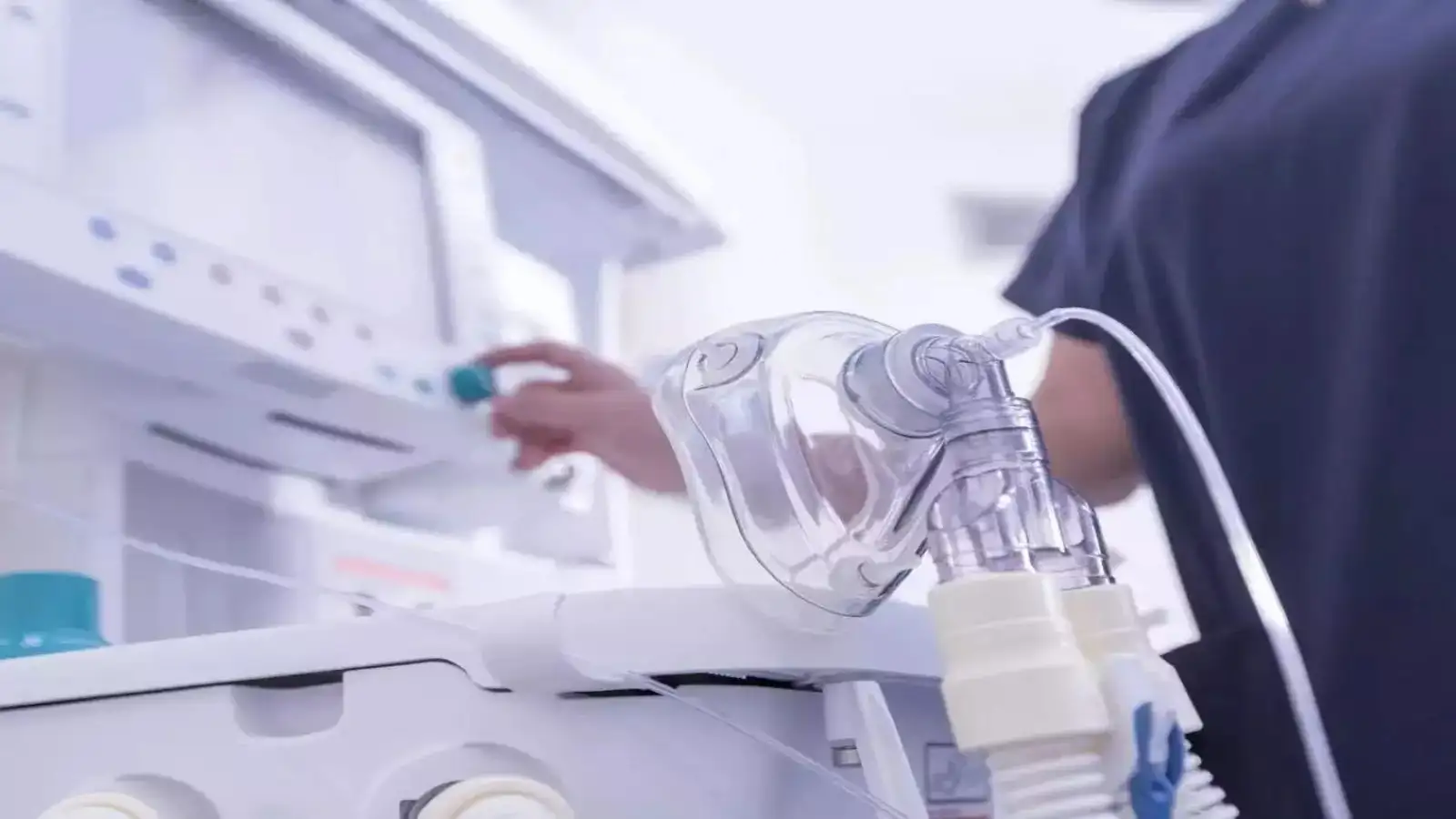
Dr. Sarah Mensah stood helplessly beside the hospital bed in rural Ghana where five-year-old Kwame struggled for breath, his lips turning blue from pneumonia. “We have antibiotics to fight his infection, but without oxygen, he will die,” Dr. Mensah explained to Kwame’s terrified parents. “His lungs are too inflamed to get enough oxygen into his blood. He needs supplemental oxygen immediately.” The nearest hospital with functioning oxygen supply was 200 kilometers away—too far for critically ill Kwame to survive the journey. The hospital’s oxygen concentrator had broken months ago, and replacement parts never arrived. Oxygen cylinders ordered weeks earlier remained stuck in the capital city due to supply chain problems.
This nightmare scenario plays out daily in healthcare facilities across low and middle-income countries. Kwame represents one of millions of patients who die annually not from lack of diagnosis or medicines, but from lack of medical oxygen—a basic, essential treatment that most people in wealthy countries take for granted. “Oxygen isn’t exotic or expensive technology,” Dr. Mensah emphasized. “It’s a fundamental medical intervention as essential as clean water or antibiotics. Yet in our hospital, we constantly run out. Children with pneumonia suffocate. Mothers delivering babies in distress die. COVID-19 patients who could survive with oxygen therapy perish. This is a preventable tragedy.”
According to the World Health Organization, medical oxygen is an essential medicine for treating various conditions including pneumonia, COVID-19, birth asphyxia in newborns, and emergency surgeries. Approximately 1 in 5 patients in hospitals globally need supplemental oxygen, yet millions lack access to this life-saving treatment. WHO estimates that oxygen therapy could prevent approximately 120,000 child deaths from pneumonia annually in low and middle-income countries alone. The COVID-19 pandemic starkly highlighted this crisis, with oxygen shortages contributing to preventable deaths worldwide. Ensuring reliable medical oxygen access represents a fundamental health system strengthening priority.
Understanding Medical Oxygen
Oxygen is a colorless, odorless gas making up approximately 21% of the air we breathe. Our bodies need oxygen for cellular metabolism—the chemical processes converting food into energy. Every cell requires oxygen to function, and the brain and heart are particularly sensitive to oxygen deprivation. Medical oxygen therapy delivers oxygen at concentrations higher than room air (usually 90-99% pure oxygen rather than 21%) to patients whose bodies cannot get enough oxygen from breathing normally.
Oxygen therapy works by increasing the amount of oxygen reaching the bloodstream and subsequently body tissues. Patients receive oxygen through various delivery devices including nasal cannulas (small tubes inserted into nostrils), face masks covering nose and mouth, and ventilators for patients who cannot breathe adequately on their own. The goal is maintaining adequate blood oxygen levels, measured by pulse oximeters—small devices clipped to fingers that measure oxygen saturation in blood.
Medical oxygen comes from three main sources. Oxygen cylinders contain compressed oxygen gas stored at high pressure in metal tanks, portable but requiring regular refilling and transportation infrastructure. Liquid oxygen systems store oxygen in super-cooled liquid form in insulated tanks, providing larger volumes but requiring specialized equipment and handling. Oxygen concentrators are machines that extract oxygen from room air, concentrating it to medical-grade levels, eliminating need for deliveries but requiring reliable electricity.
Like essential medicines and medical devices, oxygen should be available at all healthcare facilities, yet remains inaccessible to millions in resource-limited settings.
Who Needs Medical Oxygen?
Multiple medical conditions require oxygen therapy. Pneumonia, particularly severe pneumonia in children, represents one of the leading indications. Pneumonia causes lung inflammation preventing adequate oxygen absorption. Globally, pneumonia kills approximately 740,000 children under five annually, with many deaths preventable through oxygen therapy combined with antibiotics. The disease particularly affects newborns and young children in low-income countries.
COVID-19 and other respiratory infections including influenza, tuberculosis, and emerging infections like MERS can cause severe respiratory failure requiring oxygen. The COVID-19 pandemic created unprecedented oxygen demand, overwhelming supply systems worldwide and exposing critical gaps in oxygen infrastructure.
Birth asphyxia occurs when newborns don’t receive enough oxygen before, during, or immediately after birth, affecting approximately 23% of all newborn deaths globally. Immediate oxygen therapy and resuscitation can save these babies’ lives. Chronic respiratory diseases including chronic obstructive pulmonary disease (COPD) and severe asthma require long-term oxygen therapy for some patients.
Surgical procedures require oxygen for anesthesia and supporting patients during and after operations. Trauma patients with severe injuries, major bleeding, or shock need oxygen to maintain vital organ function. Sepsis (life-threatening infection response) and other critical illnesses causing organ failure require oxygen therapy as part of intensive care.
Like maternal health challenges broadly, oxygen access gaps disproportionately affect women during pregnancy and childbirth complications requiring emergency surgery or managing severe infections.
The Global Oxygen Crisis
The oxygen access crisis affects millions globally, particularly in low and middle-income countries. WHO estimates that approximately 1 million children die annually from pneumonia, with oxygen therapy potentially preventing many of these deaths. Yet estimates suggest only about half of health facilities in low-income countries have access to reliable oxygen supplies.
Multiple factors create this crisis. Insufficient infrastructure means many health facilities lack oxygen supply systems, concentrators, or reliable access to cylinder refills. Even when oxygen equipment exists, electricity shortages prevent concentrators from functioning, and lack of maintenance causes equipment breakdown. Supply chain problems include inadequate oxygen production capacity in countries, poor distribution networks preventing oxygen from reaching remote facilities, and import dependencies making countries vulnerable to international supply disruptions.
Cost barriers make oxygen unaffordable for many patients and health systems. Oxygen cylinders require regular refills and transportation, creating ongoing expenses. Poor quality and safety concerns arise from inadequate regulation of medical oxygen production and distribution, counterfeit or industrial-grade oxygen sold for medical use, and unsafe storage and handling practices creating explosion and fire risks.
Lack of training means healthcare workers often don’t know how to properly administer oxygen therapy, use pulse oximeters to monitor patients, or maintain oxygen equipment. Competing priorities result in oxygen receiving insufficient attention in health budgets and policies compared to medicines and vaccines despite being equally essential. Like nursing shortages and occupational health neglect, oxygen access gaps reflect broader health system weaknesses requiring sustained investment.
The COVID-19 Wake-Up Call
The COVID-19 pandemic dramatically exposed global oxygen access gaps. As COVID-19 patients experienced severe respiratory failure requiring oxygen therapy and mechanical ventilation, oxygen demand increased 5-10 fold in affected countries. Many health systems, including in wealthy countries, struggled to meet this surge. In low and middle-income countries, the crisis proved catastrophic.
Images of patients dying outside hospitals while families desperately searched for oxygen cylinders shocked the world. Black markets for oxygen emerged with prices skyrocketing beyond most families’ means. Healthcare workers watched patients suffocate knowing oxygen could save them if only supplies existed. The pandemic killed not just through viral infection but through oxygen scarcity—a preventable tragedy.
The crisis spurred unprecedented action. International organizations, governments, and private sector mobilized resources to increase oxygen production and distribution. Emergency shipments of oxygen concentrators and cylinders went to affected countries. New oxygen plants were built rapidly. The pandemic demonstrated both the critical importance of oxygen access and the feasibility of scaling up oxygen systems when political will and resources align.
However, as acute pandemic phases passed, attention and resources shifted elsewhere. Many countries still lack sustainable oxygen systems, leaving them vulnerable to future health emergencies. The lesson must be sustained action strengthening oxygen infrastructure permanently, not just emergency responses to crises.
Building Sustainable Oxygen Systems
WHO recommends comprehensive approaches to ensuring oxygen access. Infrastructure development requires installing oxygen concentrators in all health facilities treating patients with respiratory conditions, establishing oxygen production plants serving regions or countries, creating distribution networks delivering oxygen cylinders to remote facilities, and building piped oxygen systems in hospitals enabling centralized supply.
Reliable electricity through grid connections, backup generators, or solar power is essential for oxygen concentrators. Equipment maintenance systems with trained biomedical engineers and technicians, spare parts availability, and regular preventive maintenance prevent equipment breakdown. Quality assurance includes regulating medical oxygen production ensuring purity and safety, establishing quality testing systems, and certifying oxygen suppliers.
Healthcare worker training on oxygen therapy indications and appropriate use, pulse oximetry for monitoring patients, oxygen delivery devices and their proper use, equipment operation and basic troubleshooting, and safety protocols for handling compressed oxygen prevents accidents. Procurement and supply chain strengthening involves forecasting oxygen needs accurately, establishing reliable procurement systems, negotiating sustainable pricing, and building strategic reserves for emergencies.
Policy and financing commitments include recognizing oxygen as an essential medicine in national policies, budgeting adequate resources for oxygen systems, establishing regulations ensuring quality and safety, and integrating oxygen planning into health system strengthening efforts. Like comprehensive approaches to nutrition and preventing noncommunicable diseases, sustainable oxygen access requires addressing multiple system components simultaneously.
Innovation and Solutions
Innovative approaches are expanding oxygen access. Solar-powered oxygen concentrators enable facilities without reliable electricity to provide oxygen therapy. Mobile oxygen systems bring oxygen to remote areas lacking fixed infrastructure. Oxygen hubs in communities enable outpatient oxygen therapy for chronic respiratory patients, reducing hospitalization needs.
Public-private partnerships leverage private sector efficiency and investment for oxygen production and distribution while ensuring affordable access. Regional cooperation among countries enables shared oxygen production capacity and distribution networks, reducing individual country costs. Technology improvements are making oxygen concentrators more reliable, efficient, and affordable.
Pulse oximetry expansion enables early detection of low blood oxygen before patients become critically ill, allowing earlier intervention. Integrated respiratory care combining oxygen with appropriate medications, ventilation support when needed, and skilled nursing care optimizes outcomes.
Kwame’s Outcome and Hope
Kwame’s story had a fortunate ending. A neighboring hospital with functioning oxygen sent emergency supplies, and Kwame survived. “We were incredibly lucky,” Dr. Mensah reflected. “But luck shouldn’t determine whether children live or die from pneumonia. Oxygen must be available reliably, just like antibiotics.” Following Kwame’s near-death experience, the district health office prioritized oxygen systems, installing solar-powered concentrators in rural facilities and establishing a regional oxygen supply network.
“Now when children like Kwame arrive with pneumonia, we can start oxygen immediately,” Dr. Mensah explained. “We’re saving lives that would have been lost before. But this shouldn’t require near-tragedies to trigger action. Every health facility worldwide should have reliable oxygen access. It’s not optional—it’s essential.”
The path forward requires recognizing oxygen as a fundamental health system component like water, electricity, and medicines. Countries must invest in sustainable oxygen infrastructure, train healthcare workers, ensure quality and safety, and maintain systems over time. International support should help low-income countries build capacity while countries develop domestic production and distribution capabilities.
When oxygen access becomes universal and reliable, millions of lives will be saved—children with pneumonia breathing easier, mothers surviving childbirth complications, COVID-19 patients recovering, and surgical patients receiving safe anesthesia. This achievable goal demands political commitment, adequate financing, technical expertise, and sustained effort. Every breath matters, and ensuring every patient can take that breath requires making medical oxygen accessible to all.
Frequently Asked Questions (FAQs)
Medical oxygen is purified oxygen gas (90-99% pure vs. 21% in air) used to treat patients whose bodies cannot get adequate oxygen from breathing normally. It’s essential because every cell needs oxygen for survival, and critical organs (brain, heart, kidneys) suffer permanent damage within minutes of oxygen deprivation. Medical oxygen treats: pneumonia and respiratory infections preventing adequate oxygen absorption, COVID-19 and other diseases causing respiratory failure, birth asphyxia in newborns not breathing adequately, surgical patients requiring anesthesia and respiratory support, chronic lung diseases like COPD, trauma and shock preventing oxygen delivery to tissues, and sepsis and critical illnesses causing organ failure. WHO estimates oxygen therapy could prevent 120,000+ child pneumonia deaths annually in low/middle-income countries, making it as essential as antibiotics or vaccines.
Air contains approximately 21% oxygen, 78% nitrogen, and small amounts of other gases. This concentration suffices for healthy people, but patients with lung disease, infection, or injury cannot adequately absorb oxygen even from normal air. Medical oxygen therapy delivers oxygen at much higher concentrations (typically 90-99% pure) through devices like nasal cannulas or masks, dramatically increasing the amount entering lungs and bloodstream. This helps patients whose lungs are damaged, inflamed, or filled with fluid (pneumonia), whose breathing is inadequate (premature babies, patients under anesthesia), or whose bodies require extra oxygen due to severe illness. Medical oxygen must be purified, free of contaminants, and delivered at controlled concentrations—industrial oxygen used in welding or manufacturing isn’t suitable for medical use due to impurities.
Multiple barriers prevent oxygen access in low-income countries: (1) Insufficient infrastructure—many facilities lack oxygen supply systems, concentrators, or cylinder refills; (2) Electricity shortages—oxygen concentrators require reliable power, often unavailable in rural areas; (3) Supply chain problems—inadequate oxygen production, poor distribution networks, difficulty reaching remote facilities; (4) Cost—oxygen cylinders require ongoing refills/transportation expenses unaffordable for patients and underfunded health systems; (5) Equipment breakdown—lack of maintenance, spare parts, and biomedical engineers means broken equipment stays broken; (6) Limited training—healthcare workers don’t know how to properly administer oxygen or use monitoring equipment; (7) Low priority—oxygen receives insufficient attention in health budgets compared to medicines/vaccines despite equal importance; (8) Regulatory gaps—inadequate quality control allows substandard oxygen into medical supply chains.
COVID-19 created unprecedented oxygen demand as patients developed severe respiratory failure requiring oxygen therapy and ventilation. Oxygen needs increased 5-10 fold in affected countries, overwhelming supply systems worldwide. In wealthy countries, hospitals struggled with shortages despite generally adequate infrastructure. In poor countries, the crisis proved catastrophic—patients died outside hospitals while families desperately sought oxygen cylinders, black markets emerged with unaffordable prices, and healthcare workers watched preventable deaths from oxygen scarcity. However, COVID-19 also spurred action: international emergency shipments of concentrators/cylinders, rapid construction of oxygen plants, increased investment in oxygen infrastructure, and global recognition of oxygen as essential medicine. The key challenge is sustaining this attention and investment beyond the acute pandemic, building permanent oxygen systems rather than temporary emergency responses.
Ensuring universal oxygen access requires comprehensive approaches: (1) Infrastructure—installing oxygen concentrators in all health facilities, building oxygen production plants, creating distribution networks, establishing piped systems in hospitals; (2) Reliable electricity—grid connections, backup generators, solar power for concentrators; (3) Maintenance systems—trained biomedical engineers/technicians, spare parts availability, preventive maintenance schedules; (4) Quality assurance—regulating oxygen production, testing purity/safety, certifying suppliers; (5) Training healthcare workers—proper oxygen therapy administration, pulse oximetry monitoring, equipment operation, safety protocols; (6) Sustainable financing—recognizing oxygen as essential medicine in budgets, adequate resource allocation, affordable pricing; (7) Innovation—solar-powered concentrators, mobile systems, oxygen hubs for community-based care; (8) Political commitment—national oxygen strategies, regulations, integration into health system strengthening. International support should help low-income countries build capacity while developing sustainable domestic production and distribution.
References
- World Health Organization. (2024). Oxygen. Retrieved from https://www.who.int/health-topics/oxygen
- World Health Organization. (2021). Oxygen sources and distribution for COVID-19 treatment centres. Retrieved from https://www.who.int/publications/i/item/9789240035706
- World Health Organization. (2020). Technical specifications for oxygen concentrators. Retrieved from https://www.who.int/publications/i/item/9789240015661
- Observer Voice. Essential Medicines: Life-Saving Tools. Retrieved from https://observervoice.com/essential-medicines-access-quality-safety/
- Observer Voice. Medical Devices: Essential Tools Saving Lives. Retrieved from https://observervoice.com/medical-devices-healthcare-technology-safety/
Disclaimer: This article is an adaptation of publicly available information from WHO’s Medical Oxygen
health topic page (WHO, Geneva. Licence: CC BYNC-SA 3.0 IGO). WHO is not responsible for the
content or accuracy of this adaptation. This content is for informational and educational purposes
only and does not constitute medical advice. ObserverVoice.com is a news and information platform
— not a healthcare provider.
Observer Voice is the one stop site for National, International news, Sports, Editor’s Choice, Art/culture contents, Quotes and much more. We also cover historical contents. Historical contents includes World History, Indian History, and what happened today. The website also covers Entertainment across the India and World.

