

One Health: Connecting Human, Animal, and Environmental Health
Why Protecting Nature and Animals Protects Human Health

Dr. Maria Santos stood at the edge of a recently cleared rainforest in Brazil, watching bulldozers destroy what had been pristine wilderness just weeks earlier. As an infectious disease specialist, she understood something the developers didn’t—this deforestation would bring humans into contact with wildlife carrying unknown viruses, potentially triggering the next pandemic. “When we destroy forests, we don’t just kill trees,” Dr. Santos explained to the construction supervisor. “We disrupt ecosystems that have existed for millions of years. We force animals carrying viruses to move closer to human settlements. We create perfect conditions for diseases to jump from animals to people, exactly as happened with HIV, Ebola, and likely COVID-19.”
Her warnings seemed abstract until three months later when workers at the development site began falling ill with severe fever, bleeding, and neurological symptoms. Laboratory tests revealed a previously unknown virus transmitted from bats whose forest habitat had been destroyed, forcing them to seek food and shelter near human dwellings. The outbreak killed twelve people before containment measures stopped transmission. This tragedy could have been prevented through One Health approaches—recognizing that human health, animal health, and environmental health are interconnected and interdependent.
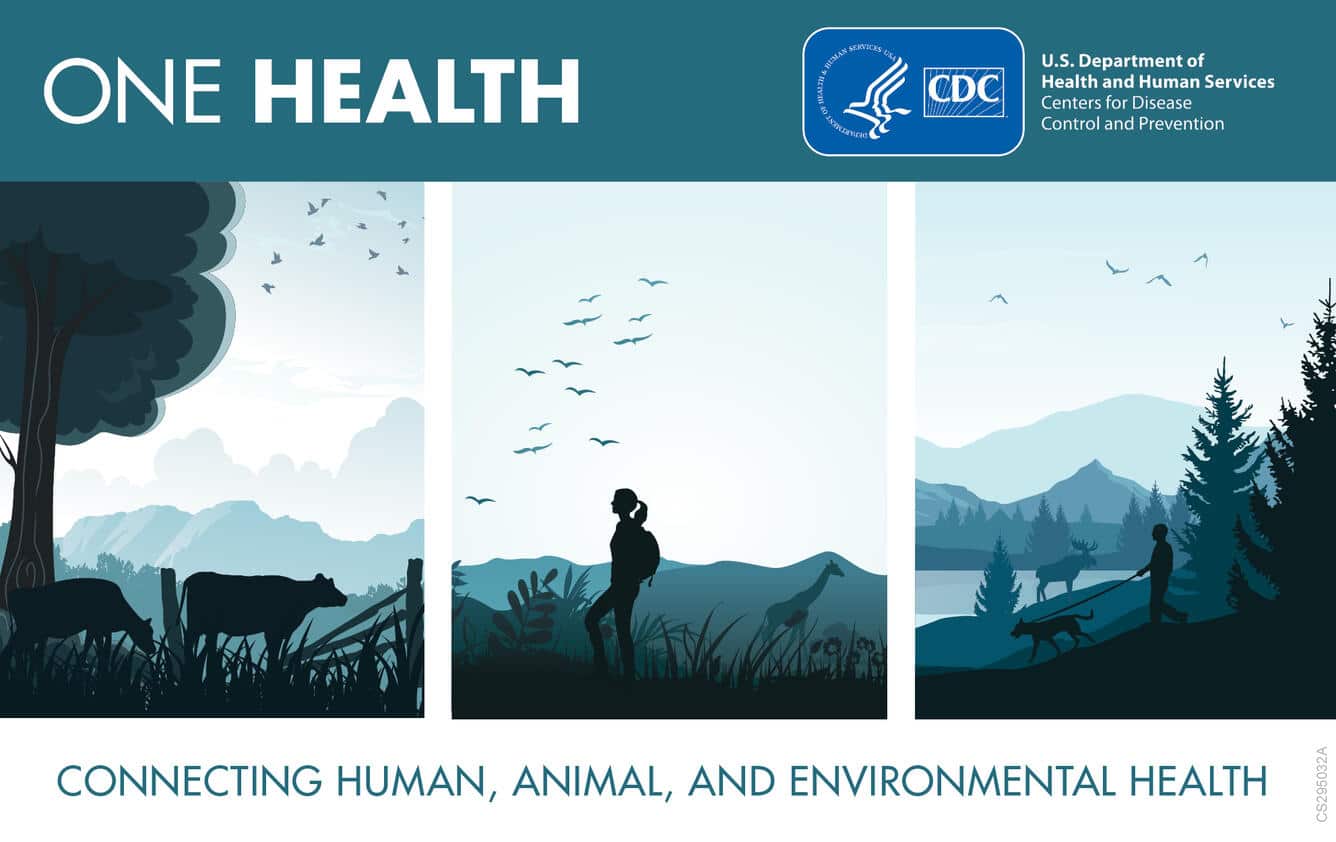
According to the World Health Organization, One Health is an integrated, unifying approach that aims to sustainably balance and optimize the health of people, animals, and ecosystems. It recognizes that the health of humans, domestic and wild animals, plants, and the wider environment (including ecosystems) are closely linked and interdependent. The One Health approach mobilizes multiple sectors, disciplines, and communities at varying levels of society to work together to foster wellbeing and tackle threats to health and ecosystems, while addressing the collective need for clean water, energy, air, safe and nutritious food, and climate action.
Understanding One Health
One Health is a collaborative, multisectoral, and transdisciplinary approach working at local, regional, national, and global levels to achieve optimal health outcomes recognizing the interconnection between people, animals, plants, and their shared environment. The concept acknowledges that approximately 75% of emerging infectious diseases affecting humans originate in animals, environmental degradation threatens health through pollution and climate change, food production systems impact both nutrition and disease transmission, and antimicrobial resistance develops in humans, animals, and the environment simultaneously.
The One Health approach requires collaboration across multiple sectors including human health (medical professionals, public health workers, epidemiologists), animal health (veterinarians, wildlife biologists, livestock specialists), environmental health (ecologists, environmental scientists, climate experts), agriculture and food safety (farmers, food safety inspectors, agricultural economists), and other relevant sectors like urban planning, education, and policy-making. This integration contrasts sharply with traditional approaches where these sectors work in isolation, missing critical connections between human, animal, and environmental health.
Like nutrition and obesity, which require multisectoral approaches addressing food systems, built environments, and social determinants, One Health problems cannot be solved by health sectors alone—they demand coordinated action across disciplines.
Why One Health Matters
Several interconnected global challenges demonstrate why One Health approaches are essential for protecting health and wellbeing. Emerging infectious diseases represent ongoing threats, with approximately 75% originating in animals before spreading to humans—a process called zoonotic transmission. Recent examples include HIV/AIDS originating from primates in Central Africa, SARS and COVID-19 likely originating from bats through intermediate hosts, Ebola and Marburg viruses spreading from fruit bats, Nipah virus transmitted from bats through pigs or contaminated food, avian influenza (bird flu) jumping from poultry to humans, and rabies transmitted from dogs, bats, and other mammals.
Environmental destruction accelerates disease emergence through deforestation bringing humans into contact with wildlife reservoirs, climate change expanding vector ranges (mosquitoes, ticks) to new geographic areas, biodiversity loss disrupting ecosystems that normally buffer disease transmission, pollution creating health hazards, and land use changes altering human-animal interfaces. Like neglected tropical diseases including onchocerciasis, many emerging infections disproportionately affect poor, marginalized communities with limited resources to prevent or respond to outbreaks.
Antimicrobial resistance (AMR) exemplifies One Health challenges requiring integrated responses. Bacteria resistant to antibiotics develop in humans through antibiotic overuse and misuse, in livestock through growth promotion and disease prevention in industrial agriculture, in the environment through pharmaceutical waste and agricultural runoff contaminating water, and in wildlife through environmental contamination exposure. Resistant bacteria spread between these sectors—resistant bacteria from farms contaminate food, environmental bacteria transfer resistance genes to human pathogens, and human antibiotic use creates resistant strains that spread to animals and environment. Addressing AMR requires coordinated action across human medicine, veterinary medicine, agriculture, and environmental management.
Food safety and security connect human, animal, and environmental health through foodborne disease transmission from animals to humans, agricultural practices affecting both food production and environmental sustainability, nutrition depending on functioning food systems, and climate change threatening agricultural productivity and food availability. Water quality issues link sectors through contamination affecting humans and animals, ecosystem degradation reducing water availability and quality, and agricultural and industrial pollution creating health hazards.
One Health in Action
One Health approaches have successfully addressed numerous health challenges. Rabies control demonstrates effective integration—the disease kills approximately 59,000 people annually, mostly from dog bites. Successful rabies elimination programs combine mass dog vaccination (animal health sector), human post-exposure prophylaxis (human health sector), responsible pet ownership education (communities), and stray dog population management (animal welfare, public health). Countries implementing comprehensive One Health rabies programs have dramatically reduced or eliminated human deaths.
Avian influenza (bird flu) surveillance and response require veterinary services monitoring poultry health, agricultural sectors implementing biosecurity on farms, wildlife biologists tracking wild bird populations, human health systems detecting and treating human cases, and environmental experts studying virus ecology in wild birds. This integrated surveillance enables early detection and rapid response, preventing potential pandemics.
Antimicrobial resistance mitigation efforts integrate human health reducing unnecessary antibiotic prescriptions, veterinary medicine eliminating antibiotics for growth promotion in livestock, agriculture improving animal husbandry reducing disease and antibiotic need, pharmaceutical industry developing new antibiotics and alternatives, environmental sectors treating pharmaceutical waste preventing antibiotic contamination, and policy makers establishing regulations across sectors. WHO’s Global Action Plan on Antimicrobial Resistance exemplifies One Health approaches coordinating action across sectors.
COVID-19 pandemic response, while imperfect, demonstrated One Health principles’ importance. The pandemic likely resulted from wildlife-to-human transmission, possibly at markets where diverse live animals were sold in close proximity. Responses required public health measures (testing, contact tracing, vaccination), veterinary surveillance of animals for infection, environmental health (improving ventilation, reducing air pollution), food safety (regulating wildlife trade, inspecting markets), ecological research understanding virus reservoirs and transmission, and social sciences addressing behavioral and communication challenges. The pandemic highlighted costs of ignoring interconnections between human, animal, and environmental health.
Like occupational health requiring collaboration between workers, employers, and governments, One Health demands partnerships across traditionally separate sectors and disciplines.
Climate Change and One Health
Climate change exemplifies why One Health approaches are essential for addressing 21st-century challenges. Climate impacts on health operate through multiple interconnected pathways. Vector-borne diseases expand as warming temperatures allow mosquitoes, ticks, and other disease vectors to survive in previously unsuitable areas—malaria, dengue, and Lyme disease are spreading to new regions. Extreme weather events including floods, droughts, and heatwaves directly kill people while creating conditions for disease outbreaks. Food and water insecurity resulting from droughts, floods, and changing precipitation patterns threaten nutrition and increase infectious disease risks. Air quality deterioration from increased wildfires and air pollution worsens respiratory conditions.
Environmental degradation compounds climate impacts through deforestation reducing carbon sequestration while increasing zoonotic disease risks, biodiversity loss weakening ecosystem resilience, ocean acidification threatening marine food sources, and soil degradation reducing agricultural productivity. Animal health is affected through heat stress reducing livestock productivity, changing disease patterns affecting both wild and domestic animals, and habitat loss threatening wildlife populations.
Addressing climate and health requires One Health approaches integrating climate mitigation (reducing greenhouse gas emissions), adaptation (preparing health systems for climate impacts), environmental protection (preserving ecosystems that sequester carbon and buffer health impacts), sustainable agriculture (reducing emissions while ensuring food security), and cross-sectoral planning (integrating health into climate, environmental, and development policies).
Implementing One Health
Successful One Health implementation requires several key elements. Political commitment and governance structures must establish One Health coordinating bodies at national and international levels, allocate adequate funding for multisectoral programs, develop policies integrating health across sectors, and ensure high-level political support sustaining long-term efforts.
Multisectoral collaboration means creating platforms for human health, animal health, environmental health, and other sectors to work together, establishing shared surveillance systems detecting health threats across sectors, coordinating outbreak investigation and response, and jointly planning prevention and control programs. Capacity building involves training professionals in One Health concepts and approaches, developing multidisciplinary teams, strengthening laboratory capacity for human, animal, and environmental samples, and building community capacity for local-level implementation.
Research and innovation should prioritize understanding disease ecology and transmission, developing integrated surveillance technologies, creating models predicting disease emergence risks, and evaluating One Health intervention effectiveness. Community engagement ensures local knowledge informs programs, communities participate in planning and implementation, cultural contexts shape interventions, and communication reaches all stakeholders effectively.
Adequate and sustainable financing requires domestic budget allocations, international development assistance, private sector investment, and innovative financing mechanisms supporting long-term programs. Like nursing and midwifery requiring sustained investment in education and working conditions, One Health programs need consistent funding despite competing priorities.
The Future of One Health
The Quadripartite collaboration between WHO, the Food and Agriculture Organization (FAO), the World Organisation for Animal Health (WOAH), and the United Nations Environment Programme (UNEP) leads global One Health efforts. Together, these organizations developed the One Health Joint Plan of Action (2022-2026) providing a framework for countries to implement One Health approaches addressing health threats at the human-animal-environment interface.
Priority areas include strengthening health systems’ capacity to detect, prevent, and respond to health threats, enhancing surveillance and early warning systems, addressing antimicrobial resistance through integrated interventions, preventing zoonotic disease emergence and spread, ensuring food safety across production chains, managing environmental health risks including pollution and climate change, and integrating One Health into national planning and policies.
Success requires transforming how we think about health—moving beyond treating sick individuals to preventing disease through protecting ecosystems, managing human-animal interactions carefully, ensuring sustainable food production, addressing climate change, and recognizing that human health ultimately depends on healthy animals and healthy environments. Dr. Santos emphasizes: “The outbreak following deforestation demonstrated that human health doesn’t exist in isolation. When we destroy nature, we endanger ourselves. When we pollute environments, we create health hazards. When we misuse antibiotics in agriculture, we fuel resistance threatening human medicine. One Health isn’t just an academic concept—it’s essential for survival. By working across disciplines, integrating human-animal-environmental health, and recognizing our interconnections with nature, we protect current and future generations. Every person, regardless of their field, can contribute—doctors collaborating with veterinarians, farmers implementing sustainable practices, urban planners creating green spaces, policymakers integrating health into all decisions. Together, through One Health approaches, we can prevent the next pandemic, address antimicrobial resistance, ensure food safety, adapt to climate change, and create healthier, more sustainable futures for all.”
Frequently Asked Questions (FAQs)
One Health is an integrated approach recognizing that human health, animal health, and environmental health are interconnected and interdependent. It promotes collaboration across multiple sectors (human health, veterinary medicine, environmental science, agriculture, wildlife conservation, urban planning) to address health challenges holistically. One Health is important because approximately 75% of emerging infectious diseases affecting humans originate in animals (HIV, Ebola, COVID-19, Nipah virus), environmental degradation threatens health through pollution and climate change, antimicrobial resistance develops simultaneously in humans/animals/environment requiring integrated responses, food safety connects animal health and human health, and climate change impacts all sectors simultaneously. Traditional approaches addressing these sectors separately miss critical connections and prove less effective than integrated One Health strategies.
Environmental destruction, particularly deforestation and habitat loss, increases human disease risks through multiple mechanisms: (1) forcing wildlife carrying viruses into closer contact with humans as their natural habitats disappear; (2) disrupting ecosystem balance that normally buffers disease transmission; (3) reducing biodiversity, which research shows can increase infection rates (the “dilution effect”); (4) creating edge habitats where human-wildlife contact intensifies; (5) altering vector ecology, changing mosquito and tick populations and behaviors; (6) increasing bushmeat hunting as wildlife densities change; (7) expanding agriculture into previously wild areas, bringing livestock and humans near wildlife reservoirs. Examples include Nipah virus emerging after Malaysian deforestation forced fruit bats near pig farms, Ebola outbreaks associated with forest clearing in Africa, and likely COVID-19 origin involving wildlife trade.
Antimicrobial resistance (AMR) occurs when bacteria, viruses, fungi, and parasites evolve to resist medications designed to kill them, making infections harder or impossible to treat. AMR requires One Health approaches because: (1) resistance develops in humans (from antibiotic overuse/misuse in medicine), animals (from antibiotics used in livestock for growth promotion and disease prevention), and environment (from pharmaceutical waste, agricultural runoff contaminating water/soil); (2) resistant bacteria spread between sectors—from farms to humans through food, from environment to humans through water, from humans to animals through contact; (3) resistance genes transfer between bacteria in all environments; (4) addressing AMR requires coordinated action: reducing unnecessary antibiotics in human medicine, eliminating growth-promotion use in agriculture, improving infection prevention reducing antibiotic need, treating pharmaceutical waste, developing new antibiotics and alternatives, and establishing regulations across sectors.
One Health is essential for pandemic prevention because most pandemic threats originate in animals before spreading to humans. Pandemic prevention requires: (1) surveillance at human-animal-environment interfaces detecting novel pathogens early; (2) wildlife health monitoring identifying virus reservoirs; (3) regulating wildlife trade and markets where diverse species mix, creating spillover opportunities; (4) controlling deforestation and habitat destruction that force human-wildlife contact; (5) improving livestock biosecurity preventing amplification of animal viruses; (6) strengthening veterinary and environmental health systems detecting early warning signs; (7) rapid multisectoral response when novel pathogens emerge. COVID-19 demonstrated pandemic prevention failures—likely wildlife origin, possible market transmission, delayed recognition, fragmented response. Future pandemic prevention demands One Health approaches integrating surveillance, environmental protection, wildlife trade regulation, and rapid coordinated response across sectors.
Individuals can support One Health through various actions: (1) responsible antibiotic use—only taking antibiotics when prescribed, completing full courses, never sharing or using leftover antibiotics; (2) food choices—choosing sustainably produced foods, properly cooking animal products, supp.orting farmers using responsible antibiotic practices; (3) responsible pet ownership—vaccinating pets (particularly rabies), preventing contact with wildlife, proper veterinary care; (4) environmental protection—supporting conservation, reducing pollution, combating climate change, protecting biodiversity; (5) preventing mosquito breeding—eliminating standing water around homes; (6) supporting policies—voting for leaders prioritizing environmental protection, health system strengthening, science-based approaches; (7) education—learning about connections between human/animal/environmental health, sharing knowledge with others; (8) career choices—professionals can collaborate across disciplines, integrate One Health into their work regardless of field. Every action recognizing health interconnections contributes to One Health goals.
References
- World Health Organization. (2024). One Health. Retrieved from https://www.who.int/health-topics/one-health
- World Health Organization. (2024). One Health – Questions and Answers. Retrieved from https://www.who.int/news-room/questions-and-answers/item/one-health
- World Health Organization. (2022). One Health Joint Plan of Action. Retrieved from https://www.who.int/publications/i/item/9789240059139
- World Health Organization. (2015). Global Action Plan on Antimicrobial Resistance. Retrieved from https://www.who.int/publications/i/item/9789241509763
- Observer Voice. Nipah Virus: The Deadly Disease Jumping From Bats to Humans. Retrieved from https://observervoice.com/nipah-virus-infection-symptoms-prevention/
Disclaimer: This article is an adaptation of publicly available information from WHO’s One Health
health topic page (WHO, Geneva. Licence: CC BYNC-SA 3.0 IGO). WHO is not responsible for the
content or accuracy of this adaptation. This content is for informational and educational purposes
only and does not constitute medical advice. ObserverVoice.com is a news and information platform
— not a healthcare provider.
Observer Voice is the one stop site for National, International news, Sports, Editor’s Choice, Art/culture contents, Quotes and much more. We also cover historical contents. Historical contents includes World History, Indian History, and what happened today. The website also covers Entertainment across the India and World.

