Hepatitis: Liver inflammation causing severe disease and cancer worldwide
Hepatitis: Silent liver inflammation killing 1.3 million people yearly worldwide


Kwame Mensah (Accra, Ghana) lived with a secret for 15 years. At 32, routine blood tests before surgery revealed shocking news: chronic hepatitis B infection. His liver was already showing signs of damage.
“I felt fine. No symptoms. How could I have a deadly liver disease?” Kwame recalled, still stunned. “The doctor explained I’d probably been infected at birth from my mother. For three decades, the virus silently destroyed my liver while I had no idea anything was wrong.”
Kwame’s mother never knew she carried hepatitis B. She never got tested. Ghana’s healthcare system lacked universal screening programs. By the time Kwame’s infection was discovered, his liver showed early cirrhosis. He needed expensive antiviral treatment he couldn’t afford. His younger sister and brother tested positive too—all infected at birth, all unaware, all developing liver damage.
“Hepatitis is called the ‘silent killer’ for good reason,” Kwame explained. “You feel healthy while your liver slowly fails. By the time symptoms appear, irreversible damage has occurred. My mother died from liver cancer last year. She never knew she had hepatitis B. It killed her and infected her children.”
According to WHO, hepatitis is an inflammation of the liver that is caused by a variety of infectious viruses and non-infectious agents leading to a range of health problems, including severe liver damage and cancer, some of which can be fatal. There are 5 main strains of the hepatitis virus, referred to as types A, B, C, D and E.
For more on liver health topics, see our articles on chronic liver disease and vaccine-preventable diseases at ObserverVoice.com. WHO provides comprehensive fact sheets on Hepatitis A, Hepatitis B, Hepatitis C, Hepatitis D, and Hepatitis E.
Devastating Global Burden
While they can all cause liver disease, the five hepatitis virus types differ in important ways including modes of transmission, severity of the illness, geographical distribution and prevention methods. In particular, types B and C lead to chronic disease in hundreds of millions of people and together are the most common cause of liver cirrhosis, liver cancer and viral hepatitis-related deaths.
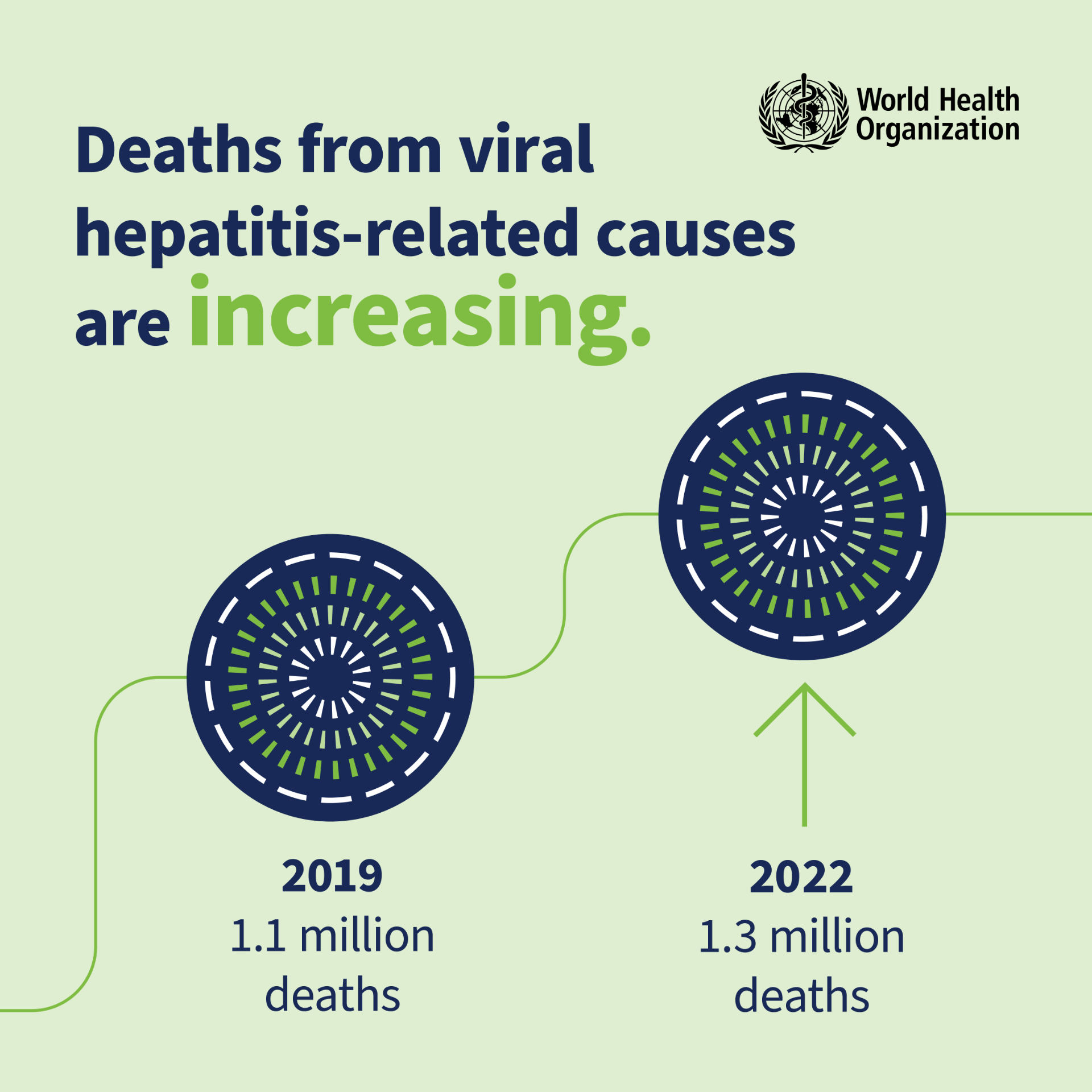
They are among the main infectious disease killers, causing an estimated 1.3 million deaths per year. An estimated 304 million people worldwide live with hepatitis B or C, and for most, testing and treatment remain beyond reach. WHO provides Viral hepatitis country profiles tracking the epidemic globally.
WHO’s Global Health Sector Strategy on HIV, Viral Hepatitis and Sexually Transmitted Infections (2022–2030) outlines clear targets to eliminate viral hepatitis as a public health problem. The strategy aims to reduce new hepatitis infections to 520,000 cases annually and hepatitis-related deaths to 450,000 by 2030, which represents a 90% reduction in incidence and a 65% reduction in mortality compared to 2015.
Without urgent and sustained action, however, viral hepatitis is projected to cause an additional 9.5 million new infections, 2.1 million liver cancer cases, and 2.8 million deaths by 2030. These outcomes are largely preventable through the scale-up of hepatitis B vaccination, improved access to prevention, testing and treatment for hepatitis B and C, and targeted public education campaigns to raise awareness and reduce transmission.
Related topics include HIV, Sexually transmitted infections (STIs), and Universal health coverage. For more on infectious disease prevention, see our article on vaccination programs at ObserverVoice.com.
Symptoms Often Silent Until Severe
Many people with hepatitis A, B, C, D or E exhibit only mild symptoms or no symptoms at all. Each form of the virus, however, can cause more severe symptoms; notable is hepatitis E infection in pregnant women. Symptoms of viral hepatitis may include fever, malaise, loss of appetite, diarrhoea, nausea, abdominal discomfort, dark-coloured urine and jaundice (a yellowing of the skin and whites of the eyes).
Hepatitis B, C and D virus can also cause a chronic liver infection that can later develop into cirrhosis (a scarring of the liver) or liver cancer. These patients are at risk of premature death. Hepatitis D (HDV) is only found in people already infected with hepatitis B (HBV); however, the dual infection of HBV and HDV can cause a more serious infection and accelerated progression to cirrhosis and cancer. HBV, HCV and HDV cause hepatocellular carcinoma and are considered carcinogenic.
WHO provides Q&A on What is hepatitis?, Severe acute hepatitis of unknown cause in children, and Preventing mother-to-child transmission of hepatitis B virus.
Vaccines and Treatment Available
Safe and effective vaccines are available to prevent hepatitis B virus (HBV) infection, and when given at birth, as part of the childhood vaccination series, strongly reduces the risk of transmission from mother to child. Hepatitis B vaccination also protects against hepatitis D virus (HDV) infection. Chronic HBV infection can be treated with antiviral agents. Treatment can slow the progression of cirrhosis, reduce incidence of liver cancer and improve long term survival. Only a proportion of people with chronic HBV infection will require treatment. A vaccine also exists to prevent infections of hepatitis A (HAV) and E (HEV).
Hepatitis C (HCV) can cause both acute and chronic infection. Chronic HCV infection can lead to long-term complications, including cirrhosis or cancer. There is no vaccine for HCV. Antiviral medicines can cure more than 95% of persons with HCV infection, thereby reducing the risk of death from cirrhosis and liver cancer, but access to diagnosis and treatment remains globally low. WHO provides fact sheet on Immunization coverage.
HAV and HEV are most common in low- and middle-income countries due to reduced access to clean and safe water sources and the increased risk of contaminated food. A safe and effective vaccine is available to prevent HAV and HEV infections. Most HAV and HEV infections are mild, with the majority of people recovering fully and developing immunity to further infection. However, these infections can also be severe and life threatening due to the risk of liver failure.
Recent WHO Initiatives and Publications
November 2025 WHO published Integrated drug resistance action framework for HIV, hepatitis B and C and sexually transmitted infections, 2026–2030 outlining unified approach to combat resistance. October 2025 WHO published Opioid agonist maintenance treatment as an essential health service: implementation guidance noting that treatment for people with opioid dependence is proven safe and effective. July 2025 WHO published Country guidance for planning triple elimination of mother-to-child transmission of HIV, syphilis and hepatitis B virus programmes. July 2025 WHO published Integrating HIV, viral hepatitis and sexually transmitted infections with primary health care – Learning from countries.
November 2025 WHO launched new framework to tackle drug resistance to HIV, hepatitis B and C, and STIs. October 2025 WHO announced Maldives becomes first country to achieve ‘triple elimination’ of mother-to-child transmission of HIV, syphilis and hepatitis B. July 2025 WHO urged action on hepatitis, announcing hepatitis D as carcinogenic. July 2025 WHO announced First-ever guidance for Triple Elimination of mother-to-child transmission of HIV, syphilis and hepatitis B. July 2025 WHO prequalified first triple diagnostic test for HIV, hepatitis B and syphilis.
WHO provides Guidelines on hepatitis, Global reporting system for hepatitis, and Disease Outbreak News on Acute hepatitis of unknown aetiology. WHO featured One man’s dream of a hepatitis-free Tanzania showcasing grassroots advocacy efforts.
Strong Global Commitment
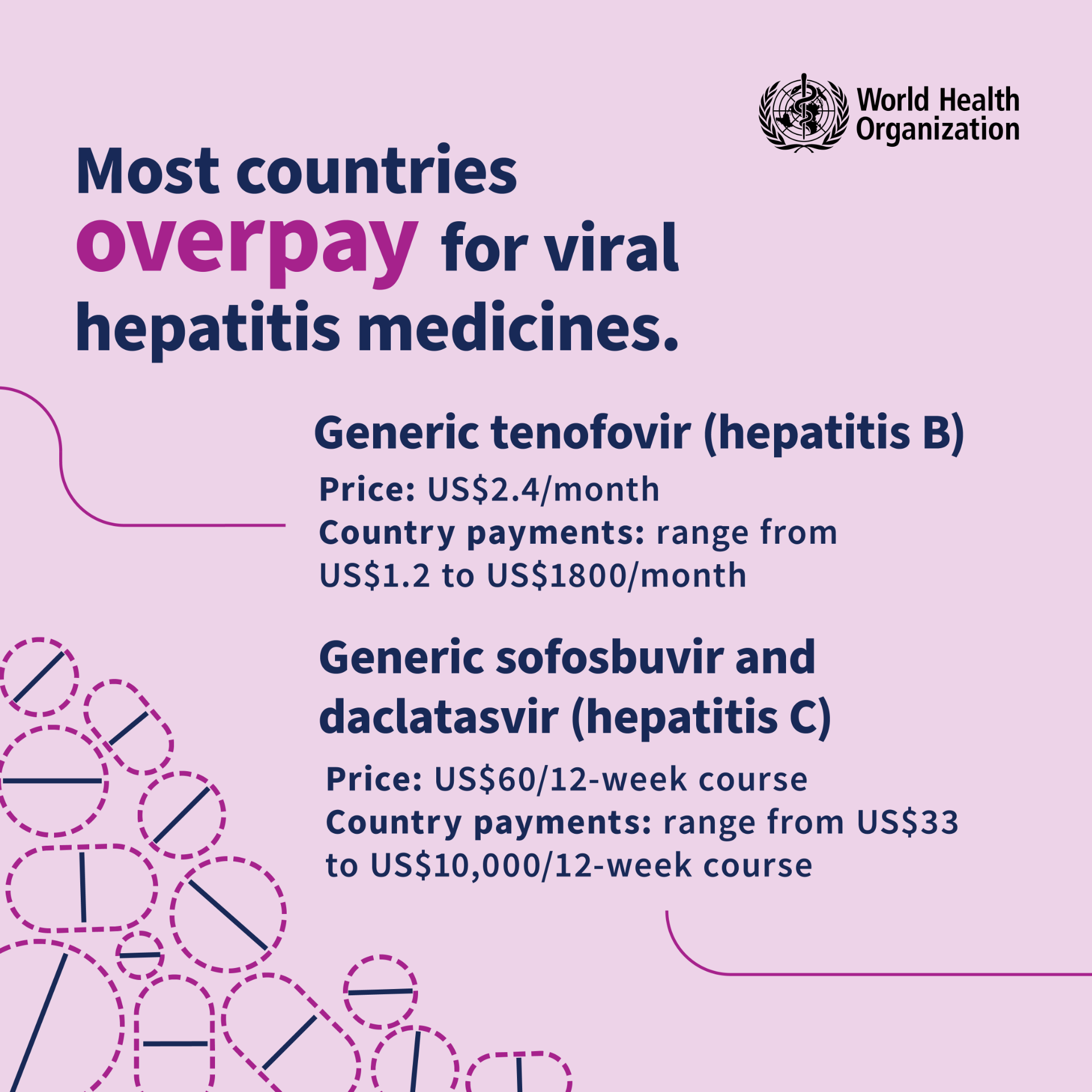
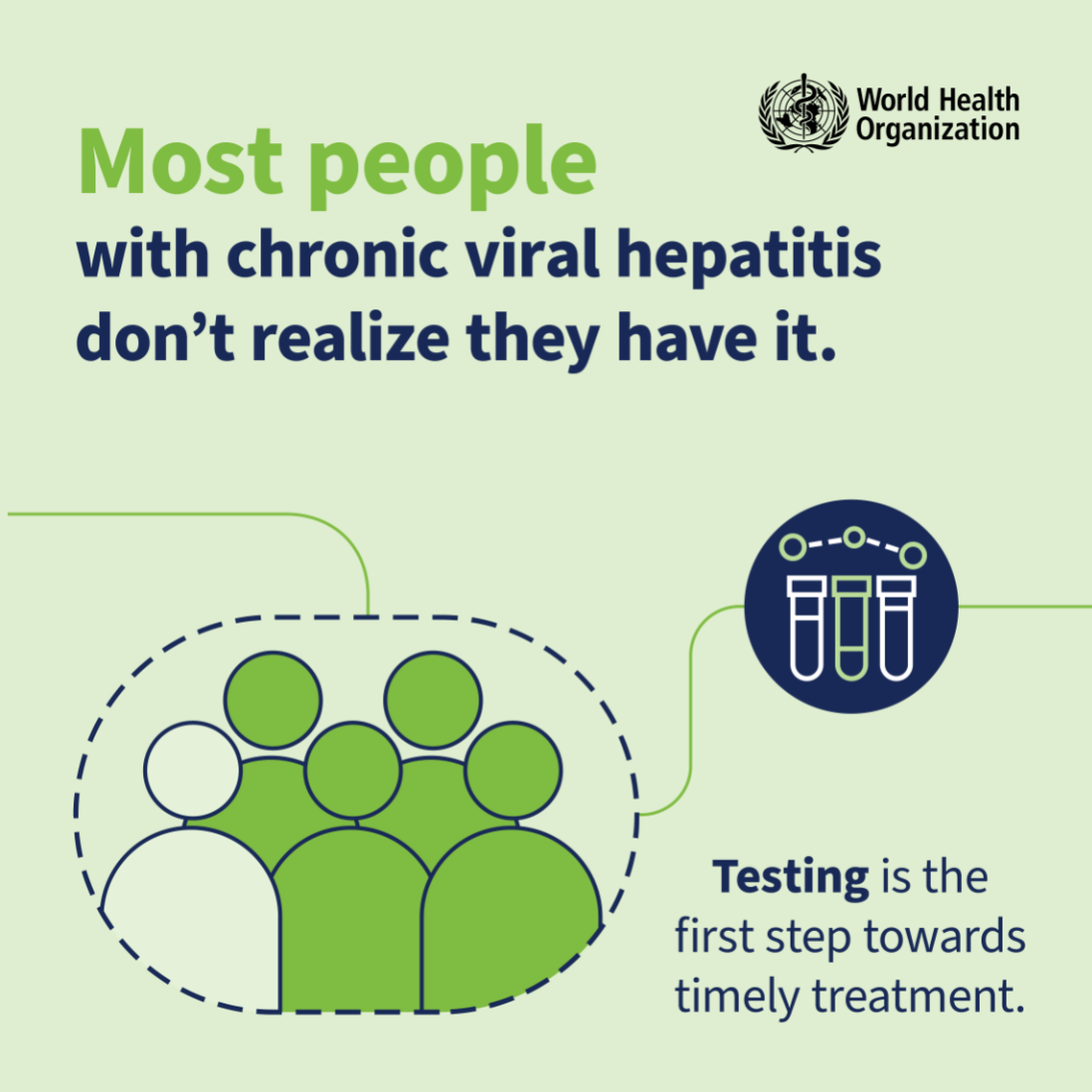
World Health Assembly passed WHA75.20 on Global health sector strategies on HIV, viral hepatitis and sexually transmitted infections, 2022–2030, WHA67.6 on hepatitis, and WHA63.18 on viral hepatitis. WHO’s Global Hepatitis Programme coordinates worldwide elimination efforts. WHO hosts annual World Hepatitis Day campaigns. WHO created infographics showing Deaths from viral hepatitis-related causes are increasing, Most countries overpay for viral hepatitis medicines, Most people with chronic viral hepatitis don’t realize they have it.
Kwame now volunteers with Ghana’s hepatitis awareness programs. “After years of treatment, my liver function stabilized. I’m lucky—I got diagnosed in time, found affordable medication through a charity program, and survived. But millions aren’t so fortunate. They die without ever knowing they had hepatitis.”
“The tragedy is that hepatitis elimination is achievable,” Kwame emphasized. “We have vaccines that prevent transmission. We have tests that detect infection. We have treatments that cure hepatitis C and control hepatitis B. What we lack is political will, adequate funding, and public awareness. Every child born today should be vaccinated against hepatitis B at birth. Every adult should be tested at least once. Treatment should be affordable and accessible. These simple interventions could eliminate hepatitis as a public health threat within a generation. We just need to act.”
For more information, visit WHO’s hepatitis topic page or explore related content at ObserverVoice.com.
Frequently Asked Questions (FAQs)
Hepatitis is inflammation of liver caused by variety of infectious viruses and non-infectious agents leading to range of health problems, including severe liver damage and cancer, some of which can be fatal. There are 5 main strains of hepatitis virus, referred to as types A, B, C, D and E. While they can all cause liver disease, they differ in important ways including modes of transmission, severity of illness, geographical distribution and prevention methods. In particular, types B and C lead to chronic disease in hundreds of millions of people and together are most common cause of liver cirrhosis, liver cancer and viral hepatitis-related deaths. They are among main infectious disease killers, causing estimated 1.3 million deaths per year. Estimated 304 million people worldwide live with hepatitis B or C, and for most, testing and treatment remain beyond reach. WHO provides fact sheets on Hepatitis A, Hepatitis B, Hepatitis C, Hepatitis D, Hepatitis E.
Many people with hepatitis A, B, C, D or E exhibit only mild symptoms or no symptoms at all. Each form of virus, however, can cause more severe symptoms. Symptoms of viral hepatitis may include fever, malaise, loss of appetite, diarrhoea, nausea, abdominal discomfort, dark-coloured urine and jaundice (yellowing of skin and whites of eyes). Hepatitis B, C and D virus can also cause chronic liver infection that can later develop into cirrhosis (scarring of liver) or liver cancer. These patients are at risk of premature death. Hepatitis D (HDV) is only found in people already infected with hepatitis B (HBV); however, dual infection of HBV and HDV can cause more serious infection and accelerated progression to cirrhosis and cancer. HBV, HCV and HDV cause hepatocellular carcinoma and are considered carcinogenic. WHO provides Q&A on What is hepatitis?, Preventing mother-to-child transmission of hepatitis B virus. Related: HIV, STIs.
Safe and effective vaccines are available to prevent hepatitis B virus (HBV) infection, and when given at birth, as part of childhood vaccination series, strongly reduces risk of transmission from mother to child. Hepatitis B vaccination also protects against hepatitis D virus (HDV) infection. Chronic HBV infection can be treated with antiviral agents. Treatment can slow progression of cirrhosis, reduce incidence of liver cancer and improve long term survival. Vaccine also exists to prevent infections of hepatitis A (HAV) and E (HEV). Hepatitis C (HCV) can cause both acute and chronic infection. There is no vaccine for HCV. Antiviral medicines can cure more than 95% of persons with HCV infection, thereby reducing risk of death from cirrhosis and liver cancer, but access to diagnosis and treatment remains globally low. HAV and HEV are most common in low- and middle-income countries due to reduced access to clean and safe water sources. WHO provides fact sheet on Immunization coverage. WHO provides Guidelines on hepatitis.
WHO’s Global Health Sector Strategy on HIV, Viral Hepatitis and Sexually Transmitted Infections (2022–2030) outlines clear targets to eliminate viral hepatitis as public health problem. Strategy aims to reduce new hepatitis infections to 520,000 cases annually and hepatitis-related deaths to 450,000 by 2030, which represents 90% reduction in incidence and 65% reduction in mortality compared to 2015. Without urgent and sustained action, viral hepatitis is projected to cause additional 9.5 million new infections, 2.1 million liver cancer cases, and 2.8 million deaths by 2030. These outcomes are largely preventable through scale-up of hepatitis B vaccination, improved access to prevention, testing and treatment for hepatitis B and C, and targeted public education campaigns. WHO provides Viral hepatitis country profiles, Global reporting system for hepatitis. WHO’s Global Hepatitis Programme coordinates efforts. Related: Universal health coverage.
November 2025 WHO published Integrated drug resistance action framework for HIV, hepatitis B and C and STIs, 2026–2030. October 2025 WHO published Opioid agonist maintenance treatment as essential health service. July 2025 WHO published Country guidance for planning triple elimination of mother-to-child transmission of HIV, syphilis and hepatitis B and Integrating HIV, viral hepatitis and STIs with primary health care. October 2025 WHO announced Maldives becomes first country to achieve ‘triple elimination’. July 2025 WHO urged action on hepatitis, announcing hepatitis D as carcinogenic. July 2025 WHO prequalified first triple diagnostic test. WHA passed WHA75.20 on Global health sector strategies 2022–2030, WHA67.6 on hepatitis, WHA63.18 on viral hepatitis.
- WHO Hepatitis Topic Page
- WHO Fact Sheet on Hepatitis B
- WHO Fact Sheet on Hepatitis C
- WHO Global Health Sector Strategy on Viral Hepatitis 2022-2030
- Viral Hepatitis Country Profiles Dashboard
Disclaimer: This article is an adaptation of publicly available information from WHO’s Hepatitis
health topic page (WHO, Geneva. Licence: CC BYNC-SA 3.0 IGO). WHO is not responsible for the
content or accuracy of this adaptation. This content is for informational and educational purposes
only and does not constitute medical advice. ObserverVoice.com is a news and information platform
— not a healthcare provider.
Observer Voice is the one stop site for National, International news, Sports, Editor’s Choice, Art/culture contents, Quotes and much more. We also cover historical contents. Historical contents includes World History, Indian History, and what happened today. The website also covers Entertainment across the India and World.