

Health technology assessment: Systematic evaluation of health technologies and interventions
Health technology assessment: Evidence-based decisions for better healthcare

Dr. Chuma Okafor (Nigeria’s Director of Health Technology Assessment) faced an impossible decision. A pharmaceutical company promoted an expensive new cancer drug claiming miraculous results. Media reported “breakthrough cure.” Desperate patients demanded immediate access. Politicians promised to procure it.
But Dr. Okafor had questions. How effective was the drug really? Who conducted the studies? Did it work better than existing treatments? Could Nigeria’s health system afford it? If purchased, what else would be cut from the budget? Would it help more people than investing the same money in preventing cervical cancer through HPV vaccination?
“Everyone expected me to approve it immediately,” Dr. Okafor recalled. “But without proper evaluation, we could spend millions on something that doesn’t work or helps very few people while thousands die from preventable diseases we neglect.”
Dr. Okafor assembled a multidisciplinary team conducting rigorous health technology assessment (HTA). After six months analyzing clinical data, cost-effectiveness, ethical implications, and budget impact, the verdict was clear: the drug showed marginal benefits over existing treatments at ten times the cost. Nigeria invested the budget instead in HPV vaccination programs, cervical cancer screening, and improving chemotherapy access.
Three years later, cervical cancer deaths dropped 35%. “HTA saved us from making an expensive mistake while showing us where our money could save the most lives,” Dr. Okafor explained. This is the power of health technology assessment in action.
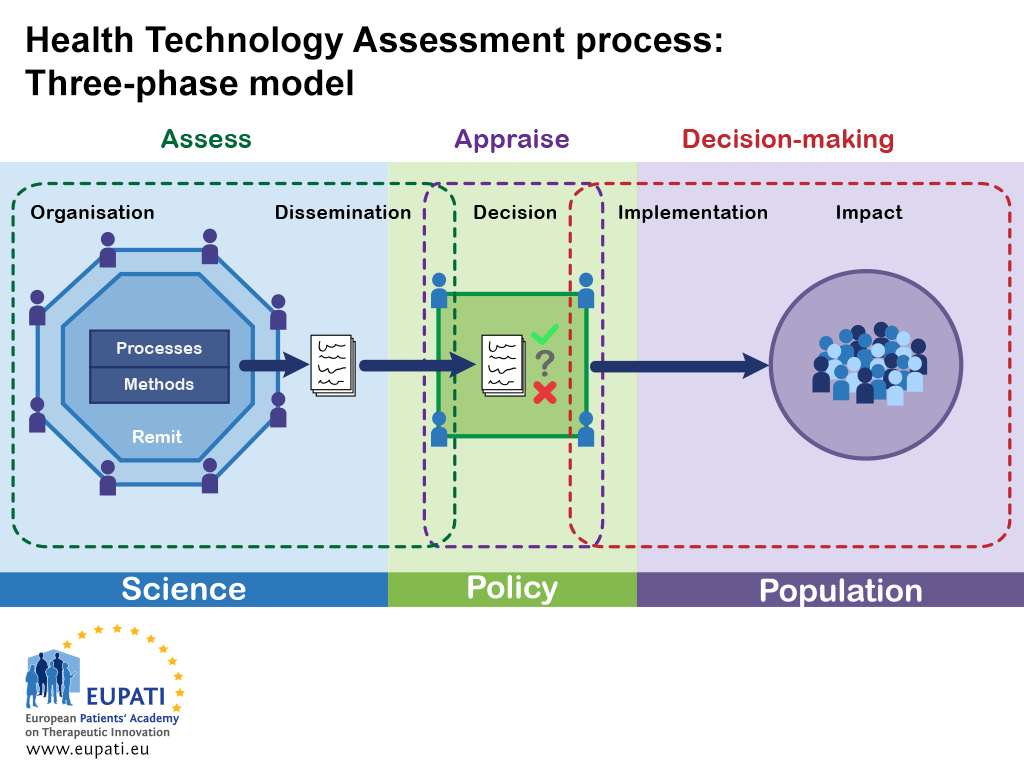
According to WHO, health technology assessment (HTA) is a systematic and multidisciplinary evaluation of the properties of health technologies and interventions covering both their direct and indirect consequences. It is a multidisciplinary process that aims to determine the value of a health technology and to inform guidance on how these technologies can be used in health systems around the world.
For more on related healthcare evaluation processes, see our articles on health economics and medical devices at ObserverVoice.com. Related topics include health economics, health financing, medical devices, medicines, and in vitro diagnostics.
Understanding Health Technology Assessment
New interventions and technologies are constantly being developed and refined but their impacts on health, and implications for health systems, are not always clear. Health technology assessment is a transparent and accountable process that can be used by decision makers and other stakeholders to support the decision-making process in health care at the policy level by providing evidence about given technologies. It has been described as a bridge that connects the world of research to that of policy making.
HTA is a multidisciplinary approach applicable to all levels of a health system. WHO’s use of HTA is broad and integrated into several programs. HTA is used in broader evidence-informed health-related decision making, and in fair pricing guidelines for the procurement of health products.
WHO provides UHC Compendium and Resource guide on the use of health technology assessment in health benefit package design processes to support implementation. For more on universal health coverage strategies, see our article on UHC implementation at ObserverVoice.com.
WHO’s Comprehensive Response
As health technology assessment is a multidisciplinary approach applicable to all levels of a health system, WHO’s use of HTA is broad and integrated into several programs. For example, the HTA team conducts a global survey of HTA processes in WHO Member States and prepares guidance for its implementation in health systems.
This work is conducted through both WHO’s global partnerships and programmes and through the WHO regional offices. The regional offices support the development of HTA capacity in their Member States though advocacy and raising awareness of the use of HTA in policy development, guidance for best practices and the coordination and collaboration between Member States and established partners.
WHO’s technical work is coordinated through Health Financing and Economics and Medical devices and Diagnostics teams. WHO’s activities include Assessing the progress of Health Technology Assessment use, Providing guidance to countries on institutionalizing Health Technology Assessment, and Strengthening collaboration on Health Technology Assessment.
Real-World Impact and Applications
WHO’s efforts to broaden the use of health technology assessment has resulted in more tools and resources being available for HTA globally. For example, the WHO-CHOICE tools have been used to show efficiencies in procurement in different regions of the world, and HTA methods have been applied to find cost-effective interventions to reduce road-traffic accidents in sub-Saharan Africa and South-East Asia.
At the country level, WHO-CHOICE information was used in Ethiopia to determine the affordability and financial efficacy of universal health coverage. These practical applications demonstrate how HTA transforms abstract evidence into concrete policy decisions that save lives and optimize limited health budgets.
Related to primary health care implementation, HTA helps countries prioritize interventions that deliver maximum health impact per dollar invested. For more on healthcare resource allocation, see our article on health financing at ObserverVoice.com.
WHO Resolutions and Global Commitment
Understanding the importance of HTA in support of universal health coverage, resolution WHA67.23 was approved during the 67th World Health Assembly. The resolution recognizes the importance of evidence-based policy development and decision-making in health systems, and HTA’s role in sustainable and effective health systems. It also calls for the promotion of HTA within national frameworks, such as those for health system research, health professional education and the establishment of universal health coverage.
Additional WHO resolutions supporting HTA include WHO resolution 60.29 on Health Technologies, SEA/RC66/R4 on Health intervention and technology assessment in support of universal health coverage, and WHO Resolution A72/A/CONF./2 Rev.1 on Improving the transparency of markets for medicines, vaccines, and other health products.
Essential Publications and Resources
May 2025 WHO published Health technology assessment of medical devices, 2nd ed explaining that HTA is a multidisciplinary process used to evaluate the clinical, economic, ethical implications and social impact of new health technologies. This comprehensive manual provides practical guidance for implementing HTA systems.
March 2015 WHO published 2015 Global Survey on Health Technology Assessment by National Authorities documenting that as countries strive to deliver universal health coverage, the process of deciding which health technologies and interventions to invest in has become increasingly important. This survey assessed HTA capacity globally.
January 2015 WHO published Developing an approach for using health technology assessments in reimbursement systems for medical products discussing the use of HTA in low and middle income countries. October 2010 WHO published Package of essential noncommunicable (PEN) disease interventions for primary health care in low-resource settings demonstrating innovative and action-oriented use of HTA principles.
WHO hosted Fair Pricing Forum 2024 in February 2024. December 2021 WHO presented The Global Survey on HTA and Health Benefit Packages: Interactive Database and Findings. April 2021 WHO hosted Fair Pricing Forum – 2021. WHO produced video Presentation by Dr. Adham Ismail explaining HTA implementation.
Dr. Okafor now trains health officials across Africa on implementing HTA systems. “Every country faces the same challenge—unlimited health needs, limited resources. HTA isn’t about saying no to innovation. It’s about saying yes to evidence, yes to transparency, yes to accountability, and yes to getting the maximum health benefit from every dollar we spend. It’s about making sure our decisions are based on science, not marketing or politics.”
“The most powerful aspect of HTA,” Dr. Okafor concluded, “is that it forces us to ask the hard questions before we commit resources. What works? For whom? At what cost? What are the alternatives? What’s the opportunity cost? These questions protect our health systems from waste while ensuring we invest in interventions that truly improve and save lives.”
For more information, visit WHO’s health technology assessment topic page or explore related content at ObserverVoice.com.
Frequently Asked Questions (FAQs)
Health technology assessment (HTA) is systematic and multidisciplinary evaluation of properties of health technologies and interventions covering both their direct and indirect consequences. It is multidisciplinary process that aims to determine value of health technology and to inform guidance on how these technologies can be used in health systems around world. HTA is transparent and accountable process that can be used by decision makers and other stakeholders to support decision-making process in health care at policy level by providing evidence about given technologies. It has been described as bridge that connects world of research to that of policy making. New interventions and technologies are constantly being developed and refined but their impacts on health, and implications for health systems, are not always clear. Related: universal health coverage, health financing.
As health technology assessment is multidisciplinary approach applicable to all levels of health system, WHO’s use of HTA is broad and integrated into several programs. HTA team conducts global survey of HTA processes in WHO Member States and prepares guidance for its implementation in health systems. HTA is used in broader evidence-informed health-related decision making, and in fair pricing guidelines for procurement of health products. This work is conducted through both WHO’s global partnerships and programmes and through WHO regional offices. Regional offices support development of HTA capacity in Member States though advocacy and raising awareness of use of HTA in policy development, guidance for best practices and coordination and collaboration between Member States and established partners. WHO provides UHC Compendium and Resource guide on HTA in health benefit package design. WHO coordinates Assessing progress of HTA use.
WHO’s efforts to broaden use of health technology assessment has resulted in more tools and resources being available for HTA globally. WHO-CHOICE tools have been used to show efficiencies in procurement in different regions of world. HTA methods have been applied to find cost-effective interventions to reduce road-traffic accidents in sub-Saharan Africa and South-East Asia. At country level, WHO-CHOICE information was used in Ethiopia to determine affordability and financial efficacy of universal health coverage. These practical applications demonstrate how HTA transforms abstract evidence into concrete policy decisions that save lives and optimize limited health budgets. Related: primary health care, health economics, medical devices, medicines.
Understanding importance of HTA in support of universal health coverage, resolution WHA67.23 was approved during 67th World Health Assembly. Resolution recognizes importance of evidence-based policy development and decision-making in health systems, and HTA’s role in sustainable and effective health systems. It calls for promotion of HTA within national frameworks, such as those for health system research, health professional education and establishment of universal health coverage. Additional resolutions include WHO resolution 60.29 on Health Technologies, SEA/RC66/R4 on HTA in support of UHC, WHO Resolution A72/A/CONF./2 Rev.1 on Improving transparency of markets.
May 2025 WHO published Health technology assessment of medical devices, 2nd ed explaining HTA is multidisciplinary process used to evaluate clinical, economic, ethical implications and social impact of new health technologies. March 2015 WHO published 2015 Global Survey on Health Technology Assessment by National Authorities documenting that as countries strive to deliver universal health coverage, process of deciding which health technologies and interventions to invest in has become increasingly important. January 2015 WHO published Developing an approach for using HTA in reimbursement systems for medical products discussing use of HTA in low and middle income countries. October 2010 WHO published Package of essential noncommunicable (PEN) disease interventions for primary health care in low-resource settings. WHO’s Health Financing and Economics team coordinates technical work.
- WHO Health Technology Assessment Topic Page
- UHC Compendium
- Resource Guide on HTA in Health Benefit Package Design
- Health Technology Assessment of Medical Devices, 2nd Edition (May 2025)
- WHO Resolution WHA67.23 on HTA in Support of UHC
Disclaimer: This article is an adaptation of publicly available information from WHO’s Health technology assessment health topic page (WHO, Geneva. Licence: CC BYNC-SA 3.0 IGO). WHO is not responsible for the content or accuracy of this adaptation. This content is for informational and educational purposes
only and does not constitute medical advice. ObserverVoice.com is a news and information platform
— not a healthcare provider.
Observer Voice is the one stop site for National, International news, Sports, Editor’s Choice, Art/culture contents, Quotes and much more. We also cover historical contents. Historical contents includes World History, Indian History, and what happened today. The website also covers Entertainment across the India and World.

