

Female genital mutilation: 230 million affected—ending harmful practice by 2030
Female genital mutilation: 230 million survivors—practice violates human rights

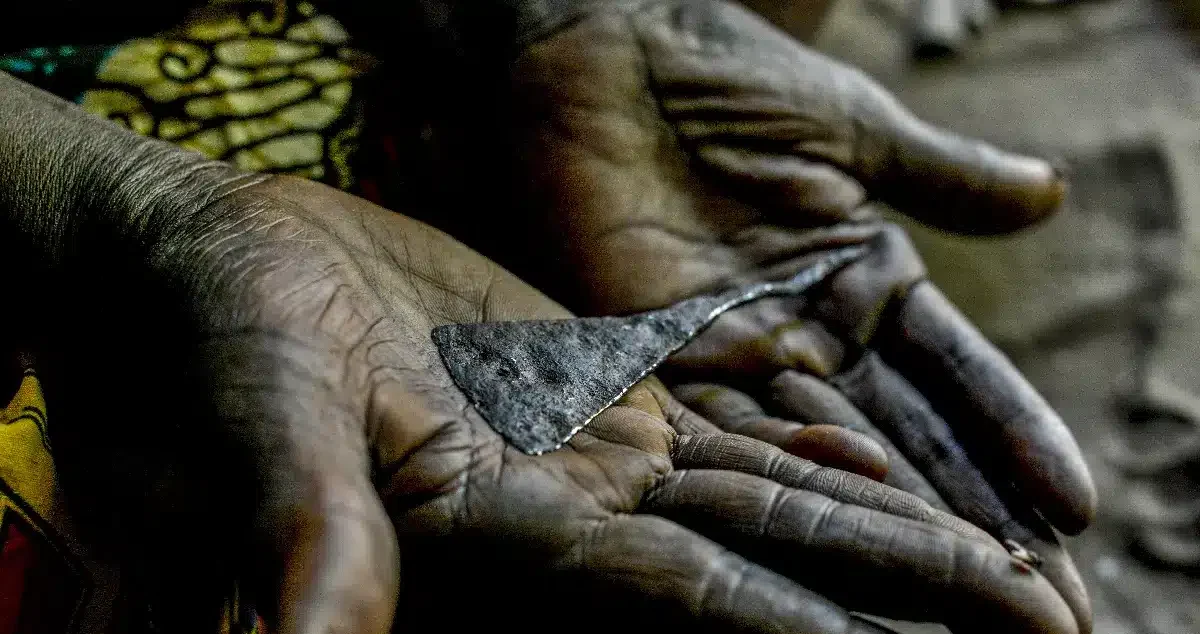
Catherine Meng’anyi was six years old when the women came for her.
They held her down while she screamed. The pain was unbearable, beyond anything she could have imagined. Then came the bleeding that wouldn’t stop, the infections, the trauma that would haunt her for years.
“I didn’t understand what was happening to me,” Catherine, now a nurse in Kenya, recalled decades later. “I just knew that trusted adults in my community were hurting me, and I couldn’t make them stop.”
Catherine survived female genital mutilation. According to WHO’s work on female genital mutilation, more than 230 million girls and women alive today have undergone the practice in the countries where it is concentrated. In addition, every year more than 4 million girls are estimated to be at risk of undergoing female genital mutilation, the majority of whom are cut before they turn 15 years old.
Female genital mutilation (FGM) is a traditional harmful practice that involves the partial or total removal of external female genitalia or other injury to female genital organs for non-medical reasons.
FGM has no health benefits. It can lead to immediate health risks, as well as long-term complications to women’s physical, mental and sexual health and well-being.
A Violation of Human Rights
The practice is recognized internationally as a violation of human rights of girls and women and as an extreme form of gender discrimination, reflecting deep-rooted inequality between the sexes. As it is practiced on young girls without consent, it is a violation of the rights of children. FGM also violates a person’s rights to health, security and physical integrity, the right to be free from torture and cruel, inhuman or degrading treatment, and the right to life when the procedure results in death.
WHO’s infographic explains clearly: End female genital mutilation—every woman and girl has the right to live free from violence and harmful practices.
For more on gender and health issues and violence against women, see our related articles on women’s health challenges and gender-based violence.
Where FGM is Practiced
While the exact number of girls and women worldwide who have undergone female genital mutilation remains unknown, at least 230 million girls and women alive today have been subjected to the practice, according to data from the 31 countries where population level data exist. The practice is mainly concentrated in western, eastern, and north-eastern regions of Africa, as well as in some countries in the Middle East and Asia.
With growing migration, there has been an increase in the number of girls and women in Europe, Australia and North America who have either undergone female genital mutilation or who may be at risk of being subjected to the practice. FGM is therefore a global concern.
While there has been an overall decline in the prevalence of FGM over the last three decades in the younger age groups, not all countries have made progress and the pace of decline has been uneven. Current progress is insufficient to keep up with increasing population growth. If trends continue, the number of girls and women undergoing FGM will rise significantly in the next 15 years.
The Devastating Health Consequences
WHO has documented the health risks of female genital mutilation extensively. WHO’s infographic shows that female genital mutilation can have immediate life-threatening risks and lifelong complications, such as complications during childbirth, difficulty urinating, menstrual problems, pain during sexual intercourse, and mental health conditions.
Dr. Mariam Hassan, an obstetrician who has treated hundreds of FGM survivors, described the medical reality: “I see the consequences every day. Women who can’t deliver babies naturally because of scarring. Girls with chronic infections. Women experiencing pain during intercourse throughout their lives. Urinary problems. Psychological trauma. And for what? There is no medical benefit—only harm.”
WHO classifies types of female genital mutilation into four categories, all of which cause damage.
In April 2025, a new study highlighted multiple long-term health complications from female genital mutilation, adding to the growing body of evidence documenting the practice’s harmful effects.
For more on sexual health and reproductive health issues, see our articles on women’s reproductive rights and maternal health.
The Dangerous Trend: Medicalization
In addition, some health workers themselves are performing FGM, impeding progress in the road to FGM abandonment. This “medicalization” of FGM—having the procedure performed by health professionals—is a growing and dangerous trend.
In April 2025, WHO issued new recommendations to end the rise in “medicalized” female genital mutilation and support survivors. WHO published comprehensive guidelines on the prevention of female genital mutilation and clinical management of complications in April 2025.
WHO is strongly opposed to health professionals performing FGM and urges all health workers to uphold the medical code of ethics to “do no harm”. Medicalization of FGM normalizes and condones the practice and hinders long-term efforts for abandoning this grave violation of the human rights of women and girls.
WHO’s infographic makes clear: Health workers can help end female genital mutilation—engage families and communities to stop FGM, support affected women and girls, and say no if asked to perform FGM.
WHO’s Comprehensive Response
WHO recognizes the important role that health care personnel play in supporting and improving the health and well-being of girls and women living with FGM. Moreover, WHO acknowledges the unique position that midwives and nurses may have to influence and change attitudes towards FGM amongst their patients because of their close contact with practicing communities and since they provide the majority of health care in primary health care settings.
WHO has developed training packages to empower health care providers to prevent female genital mutilation and to help health care providers manage complications of FGM. WHO published integrating female genital mutilation content into nursing and midwifery curricula: a practical guide in February 2022.
WHO also published person-centred communication for female genital mutilation prevention: a facilitator’s guide for training health-care providers in February 2022, helping health workers engage communities effectively.
WHO uses a public health approach to FGM and works to ensure that girls and women living with FGM receive quality prevention and care services, by developing evidence-based guidance and resources for training and policy; supporting countries to adapt and implement them; generating evidence on causes, consequences, and costs of FGM and on what works to end the practice; and developing advocacy tools to support efforts to prevent FGM.
WHO’s Sexual and Reproductive Health and Research department coordinates this work. WHO also published ethical considerations in research on female genital mutilation in January 2022 to ensure high-quality, ethical research.
Stories of Change
Catherine Meng’anyi, the nurse who survived FGM as a child, became a powerful advocate for change. WHO featured her story: Survivor, nurse, advocate: Catherine Meng’anyi shares how she’s working to end FGM in her lifetime.
“I became a nurse because I wanted to help women and girls,” Catherine explained. “When I see a mother bringing her daughter to be cut, I talk to her. I explain what happened to me. I show her the medical complications. I tell her that this practice doesn’t honor our culture—it harms our daughters.”
In Somalia, health workers, girls and women are experts in preventing female genital mutilation, WHO reported in February 2021. In Sudan, WHO documented working towards zero tolerance for female genital mutilation in February 2018.
In July 2024, WHO celebrated when The Gambia’s decision to uphold ban on FGM was a critical win for girls’ and women’s rights.
WHO emphasized in February 2024 the importance of putting survivors at the forefront of the global movement to end female genital mutilation.
What Governments Can Do
WHO’s infographic outlines what governments can do to end female genital mutilation: engage communities, train health workers, invest in prevention, and enact anti-FGM legislation.
The World Health Assembly adopted Resolution WHA61.16 on Female genital mutilation, establishing global commitments to end the practice.
WHO also provides a questions and answers resource on the FGM Cost Calculator, helping countries understand the economic costs of FGM and benefits of abandonment.
The Path to 2030
As part of the Sustainable Development Goals, the global community has set a target to abandon the practice of female genital mutilation by the year 2030. While some countries are on track to achieve this target, progress needs to be greatly accelerated in many countries to achieve abandonment goals.
WHO marks the International Day of Zero Tolerance for Female Genital Mutilation every February 6th, raising awareness globally. An event on the new WHO guideline on FGM prevention and response was held in April 2025.
WHO featured engaging health workers to help end female genital mutilation in July 2024, and produced a video on WHO supporting the health sector to end FGM.
For more on related issues, see WHO’s work on self-care for health and well-being and our articles on empowering women’s health choices at ObserverVoice.com.
Hope for the Future
Catherine Meng’anyi has convinced many families to abandon FGM. “Every girl I save makes the pain I experienced worth it,” she said, her eyes bright with determination. “We will end this practice in my lifetime. Not through shame or force, but through education, through health workers like me who tell the truth, through communities deciding that their daughters deserve better.”
With WHO’s comprehensive approach, growing community engagement, legislative action, and health workers like Catherine speaking out, the goal of ending FGM by 2030 is achievable—but only with sustained commitment, adequate resources, and recognition that this practice violates the fundamental human rights of girls and women everywhere.
For more information, visit WHO’s female genital mutilation health topic page or explore related content at ObserverVoice.com.
Frequently Asked Questions (FAQs)
Female genital mutilation (FGM) is a traditional harmful practice that involves the partial or total removal of external female genitalia or other injury to female genital organs for non-medical reasons. According to WHO’s work on female genital mutilation, more than 230 million girls and women alive today have undergone the practice in the countries where it is concentrated. Every year more than 4 million girls are estimated to be at risk of undergoing female genital mutilation, the majority of whom are cut before they turn 15 years old. While the exact number worldwide remains unknown, at least 230 million girls and women have been subjected to the practice according to data from 31 countries where population level data exist. The practice is mainly concentrated in western, eastern, and north-eastern regions of Africa, as well as in some countries in the Middle East and Asia. With growing migration, there has been an increase in girls and women in Europe, Australia and North America who have either undergone FGM or may be at risk. FGM is therefore a global concern. WHO has documented types of female genital mutilation into four categories. For more on gender and health and violence against women, see our related articles at ObserverVoice.com.
FGM has no health benefits. It can lead to immediae health risks, as well as long-term complications to women’s physical, mental and sexual health and well-being. WHO has extensively documented the health risks of female genital mutilation. WHO’s infographic shows that female genital mutilation can have immediate life-threatening risks and lifelong complications, such as complications during childbirth, difficulty urinating, menstrual problems, pain during sexual intercourse, and mental health conditions. In April 2025, a new study highlighted multiple long-term health complications from female genital mutilation. Immediate risks include severe bleeding, infections, shock, and death. Long-term complications include chronic pain, infections, childbirth complications, psychological trauma, sexual problems, and urinary difficulties. In April 2025, WHO issued new recommendations to end the rise in “medicalized” female genital mutilation and support survivors and published guidelines on prevention and clinical management of complications. For more on sexual health, see our articles at ObserverVoice.com.
The practice is recognized internationally as a violation of human rights of girls and women and as an extreme form of gender discrimination, reflecting deep-rooted inequality between the sexes. As it is practiced on young girls without consent, it is a violation of the rights of children. FGM also violates a person’s rights to health, security and physical integrity, the right to be free from torture and cruel, inhuman or degrading treatment, and the right to life when the procedure results in death. WHO’s infographic states clearly: End female genital mutilation—every woman and girl has the right to live free from violence and harmful practices. The World Health Assembly adopted Resolution WHA61.16 on Female genital mutilation establishing global commitments. As part of Sustainable Development Goals, the global community has set a target to abandon the practice by 2030. While some countries are on track, progress needs to be greatly accelerated in many countries. WHO marks the International Day of Zero Tolerance for Female Genital Mutilation every February 6th. Related issues include gender discrimination and violence against women. See our articles on women’s rights at ObserverVoice.com.
WHO uses a public health approach to FGM and works to ensure girls and women receive quality prevention and care services by developing evidence-based guidance; supporting countries to adapt and implement them; generating evidence on causes, consequences, and costs; and developing advocacy tools. WHO recognizes the important role health care personnel play in supporting girls and women living with FGM. WHO developed training packages to empower health care providers to prevent FGM and help providers manage complications. WHO published integrating FGM content into nursing and midwifery curricula: a practical guide (February 2022) and person-centred communication for FGM prevention: a facilitator’s guide (February 2022). WHO’s infographic: Health workers can help end female genital mutilation. WHO is strongly opposed to health professionals performing FGM—medicalization normalizes and hinders abandonment efforts. WHO’s Sexual and Reproductive Health and Research department coordinates work. Success stories include Somalia health workers preventing FGM and engaging health workers to help end FGM.
While there has been overall decline in FGM prevalence over the last three decades in younger age groups, not all countries have made progress and the pace has been uneven. Current progress is insufficient to keep up with population growth. If trends continue, the number undergoing FGM will rise significantly in the next 15 years. However, some countries are on track to achieve the 2030 abandonment target. WHO’s infographic outlines what governments can do to end female genital mutilation: engage communities, train health workers, invest in prevention, enact anti-FGM legislation. Success stories include The Gambia’s decision to uphold FGM ban (July 2024), Sudan working towards zero tolerance, and survivor Catherine Meng’anyi’s advocacy work. WHO emphasizes putting survivors at the forefront (February 2024). WHO provides FGM Cost Calculator to help countries understand economic impacts. WHO published ethical considerations in research on FGM. For more on self-care and empowerment, see ObserverVoice.com.
- WHO Female Genital Mutilation Health Topic
- WHO Fact Sheet: Female Genital Mutilation
- WHO Guideline on Prevention and Clinical Management (April 2025)
- WHO Sexual and Reproductive Health and Research
- Health Risks of Female Genital Mutilation
- Types of Female Genital Mutilation
Disclaimer: This article is an adaptation of publicly available information from WHO’s Female genital mutilation health topic page (WHO, Geneva. Licence: CC BYNC-SA 3.0 IGO). WHO is not responsible for the content or accuracy of this adaptation. This content is for informational and educational purposes
only and does not constitute medical advice. ObserverVoice.com is a news and information platform
— not a healthcare provider.
Observer Voice is the one stop site for National, International news, Sports, Editor’s Choice, Art/culture contents, Quotes and much more. We also cover historical contents. Historical contents includes World History, Indian History, and what happened today. The website also covers Entertainment across the India and World.

