

Common goods for health: Why clean water, disease tracking, and safety laws need government funding that markets will never provide
Common goods for health: The public services nobody notices until they're gone

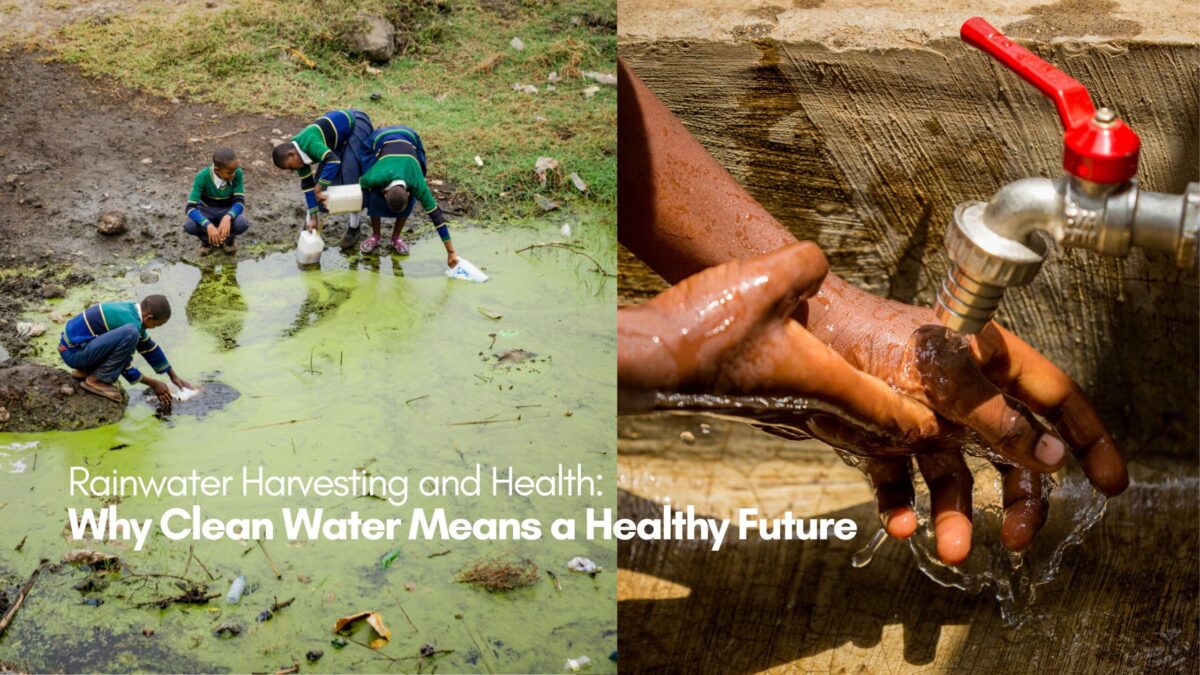
The cholera outbreak started small—just three cases in a coastal town in East Africa.
But the country had a functioning disease surveillance system. Health workers noticed the pattern, reported it immediately, and the national response kicked in within 48 hours. Water sources were tested, contamination identified, communities warned, treatment centers established.
Final death toll: 12 people from an outbreak that could have killed thousands.
Six months later, a neighboring country with similar conditions faced the same pathogen. But they’d cut funding for disease surveillance years earlier to balance budgets. By the time anyone realized cholera was spreading, hundreds were already sick. Contaminated water continued flowing for weeks. The outbreak killed over 300 people.
Same disease. Different outcomes. The difference was common goods for health—the invisible infrastructure that protects entire populations but that markets will never provide.
What Nobody Understands About Markets
Here’s an economic truth most people never learn: markets are brilliant at providing many things but terrible at providing others.
Markets efficiently deliver private goods—things consumed individually. Your phone, your clothes, your groceries. Companies compete to sell these because they can charge customers and make profit.
But markets systematically fail to provide public goods—things that benefit everyone simultaneously and can’t exclude non-payers. National defense is the classic example. If the military protects the country, it protects everyone. You can’t charge only those who pay while leaving non-payers vulnerable.
Health systems face the same challenge. Some health services are private goods that markets provide well. But many essential functions are public goods or generate huge social benefits beyond individual users. Markets underprovide or ignore these entirely.
That’s where common goods for health come in.
The Five Categories Nobody Budgets For
Common goods for health fall into five categories, all essential yet all chronically underfunded.
Policy and coordination means developing national health strategies, building institutional capacity, coordinating across government sectors. Someone has to create disease control policies, establish response mechanisms, ensure different ministries work together.
No company will pay for this. The benefits spread across entire populations. But without it, health systems fail during crises.
Taxes and subsidies influence behavior and markets. Tobacco taxes reduce smoking. Subsidies make healthy food affordable. These create market signals leading to better health outcomes.
But they require government action. No private company will tax itself to reduce consumption of its product.
Regulations and legislation set standards everyone must follow. Food safety rules, environmental regulations, medicine quality standards, workplace protections.
Markets resist regulations that cost money. Industries lobby against them. Only governments can impose and enforce these protections.
Information, analysis, and communication encompasses disease surveillance, health data collection, population monitoring, research, and public health communication.
Dr. Chen works at a national disease surveillance center. Her team tracks disease patterns, identifies outbreaks early, and coordinates responses.
“Every disease we catch early saves hundreds of lives,” she explained. “But surveillance systems don’t generate profit. No company will fund comprehensive disease tracking for an entire country. It’s a classic public good requiring government financing.”
Population services include water and sanitation systems, waste management, vector control (mosquito spraying), emergency response operations.
These benefit everyone but markets either don’t provide them or charge prices excluding poor populations. Clean water should reach every citizen, not just those who can afford private wells or bottled water.
Why Markets Systematically Fail Here
The economic logic is straightforward but crucial.
Public goods are non-rival (one person using them doesn’t reduce availability for others) and non-excludable (you can’t prevent non-payers from benefiting). Disease surveillance that detects an outbreak protects everyone, whether they contributed to funding or not.
This creates the “free rider problem.” If everyone benefits regardless of payment, individuals have incentive to not pay and let others cover costs. But if everyone thinks this way, the good doesn’t get provided.
Result: markets underprovide or completely ignore these essential functions.
Large externalities create similar problems. When someone gets vaccinated, they protect not just themselves but everyone they might have infected. That social benefit doesn’t show up in the individual’s cost-benefit calculation, so vaccination rates fall below what’s optimal for society.
Markets won’t correct these failures. Only collective action—primarily government financing—can.
The Disaster When Funding Disappears
I’ve watched countries cut common goods for health funding to save money. It always ends badly.
One nation slashed their water quality monitoring budget by 70%. Two years later, industrial pollution contaminated a major water source. Thousands got sick before anyone detected the problem. Medical costs and lost productivity exceeded the monitoring budget cuts by a factor of fifty.
Another cut disease surveillance funding, arguing healthy populations didn’t need such “excessive” monitoring. When a new infectious disease emerged, they had no early warning system. The outbreak spread unchecked for weeks, overwhelming hospitals and causing preventable deaths.
These aren’t hypothetical examples. They happen repeatedly because politicians and finance ministers don’t understand that cutting common goods for health is mortgaging future health security for temporary budget relief.
The Universal Health Coverage Connection
Common goods for health are fundamental to achieving universal health coverage (UHC).
You can’t provide quality healthcare without health regulations ensuring safe medicines. You can’t prevent disease without population services like water treatment and waste management. You can’t coordinate care without information systems tracking health needs.
Dr. Martinez works on UHC implementation in Latin America. She explained the challenge: “Countries want to provide individual health services—clinics, hospitals, medicines. Those are visible and politically popular. But they neglect the invisible infrastructure that makes those services work. Strong governance, clear regulations, population-based services, coordinated policies—all common goods for health that require sustained investment.”
Without these foundational elements, individual services fail. Hospitals can’t function during disease outbreaks if surveillance systems didn’t provide early warning. Clinics can’t treat patients if water systems don’t provide clean water.
The Financing Challenge
Financing common goods for health requires different approaches than financing individual health services.
These functions need pooled resources and coordination across sectors. Medium-term expenditure frameworks help prioritize them over time despite fiscal and political constraints.
Some countries adjust public financial management to expand budgetary space for these functions. Others reprioritize existing budgets, recognizing that common goods for health provide foundation for everything else.
The challenge is political. Health ministers fight for individual services with visible outputs. Finance ministers cut “overhead” and “coordination” first during budget crunches. Common goods for health get squeezed from both sides.
What Actually Works
Countries succeeding at this integrate common goods for health into annual and multi-year budget dialogues.
They link these functions to national budgetary processes with formal mechanisms ensuring sustained funding. They communicate clearly about what these functions do and why they matter.
Thailand provides a model. They established dedicated financing streams for common goods for health separate from individual service budgets. The result: strong surveillance systems, effective regulations, well-maintained water infrastructure, coordinated health policies.
When COVID-19 hit, their surveillance detected cases quickly, regulations allowed rapid response, communication systems informed populations, and coordination mechanisms worked smoothly. Their outcomes vastly exceeded countries that had neglected these foundational investments.
The Bottom Line
Common goods for health are invisible when working properly. Water flows clean from taps. Diseases get detected early. Food is safe. Air pollution stays controlled. Waste disappears.
But this invisibility makes them politically vulnerable. Why fund things nobody notices?
The answer: because when they fail, disaster follows. Contaminated water kills. Undetected outbreaks explode. Unsafe food sickens. Pollution destroys health. Waste breeds disease.
Back to that first cholera outbreak—the one that killed only 12 people because surveillance caught it early. The disease surveillance system that saved those lives cost approximately $2 million annually to operate for the entire country.
The outbreak that killed 300 people in the neighboring country generated medical costs exceeding $50 million, plus economic losses from disrupted trade and tourism reaching hundreds of millions.
Investing in common goods for health isn’t just morally right. It’s economically smart. We just need governments willing to fund the invisible infrastructure keeping populations healthy.
For more information:
- WHO Common Goods for Health
- Financing Common Goods for Health Publication
- Universal Health Coverage Information
- International Health Regulations
Observer Voice is the one stop site for National, International news, Sports, Editor’s Choice, Art/culture contents, Quotes and much more. We also cover historical contents. Historical contents includes World History, Indian History, and what happened today. The website also covers Entertainment across the India and World.

