

Myanmar’s Controversial Election Concludes as Final Voting Round Closes

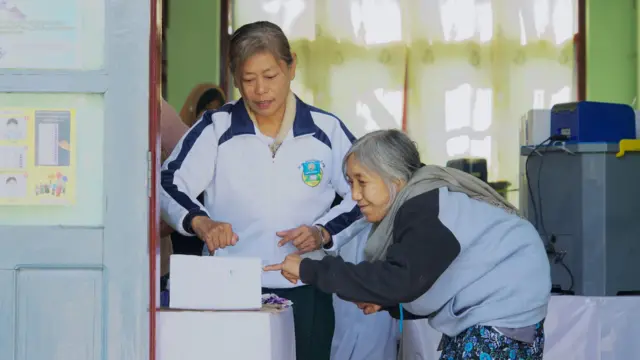
Polls have officially closed in Myanmar following the final stage of elections that many observers have labeled as a farce. The elections took place amid a backdrop of civil unrest, with numerous popular parties barred from participation and significant portions of the country unable to vote due to ongoing conflict. The military-backed Union Solidarity and Development Party (USDP) is anticipated to secure a sweeping victory, despite widespread international condemnation of the electoral process, which the ruling regime insists is legitimate.
Limited Participation Amid Ongoing Conflict
The recent elections saw participation from only about one-fifth of Myanmar’s 330 townships, including major urban centers like Yangon and Mandalay. The military-backed USDP, along with five other parties, fielded candidates across the nation, while an additional 51 parties and independent candidates contested at state and regional levels. This final voting round follows two previous stages held on December 28 and January 11, both of which resulted in overwhelming victories for the USDP. Notably, the USDP had only managed to secure 6% of parliamentary seats in the last legitimate election in 2020, raising questions about the credibility of its current standing.
Election Day Observations
On election day, polling stations, such as one in Nyaungshwe, Shan State, appeared orderly and peaceful, as reported by a BBC team. Voters were guided by numerous officials and volunteers, and the use of locally-made electronic voting machines was introduced. However, the atmosphere was overshadowed by a pervasive sense of fear and intimidation during the campaign period. Observers noted a heavy presence of police and military personnel monitoring activities, which made it difficult for citizens to express their opinions about the elections without fear of repercussions. The anticipated results will lead to a parliamentary session within the next two months, where a new president is expected to be chosen, likely the coup leader, General Min Aung Hlaing.
Political Landscape and Future Implications
The military junta, which seized power in a coup in 2021, has faced ongoing resistance from both armed groups opposing the coup and ethnic militias. The regime has struggled to maintain control over large parts of the country, suffering significant setbacks but regaining some territory this year with assistance from China and Russia. The civil war has resulted in thousands of deaths, widespread displacement, and a devastated economy, compounded by a humanitarian crisis exacerbated by a recent earthquake and cuts in international funding. As the political landscape evolves, there is a possibility for increased debate within the government regarding Myanmar’s future direction, although significant change remains uncertain.
Continued Struggles for Democracy
Since the military coup, the political climate in Myanmar has drastically shifted. Aung San Suu Kyi, the leader of the ousted civilian government and a Nobel Peace Prize laureate, remains in detention, and her National League for Democracy has been dissolved. The ongoing civil war has created a humanitarian vacuum, with millions displaced and the economy in shambles. As the military regime prepares to solidify its power through these elections, the prospects for a return to democratic governance appear bleak, leaving many citizens to grapple with the consequences of prolonged conflict and instability.
Observer Voice is the one stop site for National, International news, Sports, Editor’s Choice, Art/culture contents, Quotes and much more. We also cover historical contents. Historical contents includes World History, Indian History, and what happened today. The website also covers Entertainment across the India and World.
Follow Us on Twitter, Instagram, Facebook, & LinkedIn

