

India Positioned as a Steady Growth Anchor at Davos Amid Global Challenges, According to CII

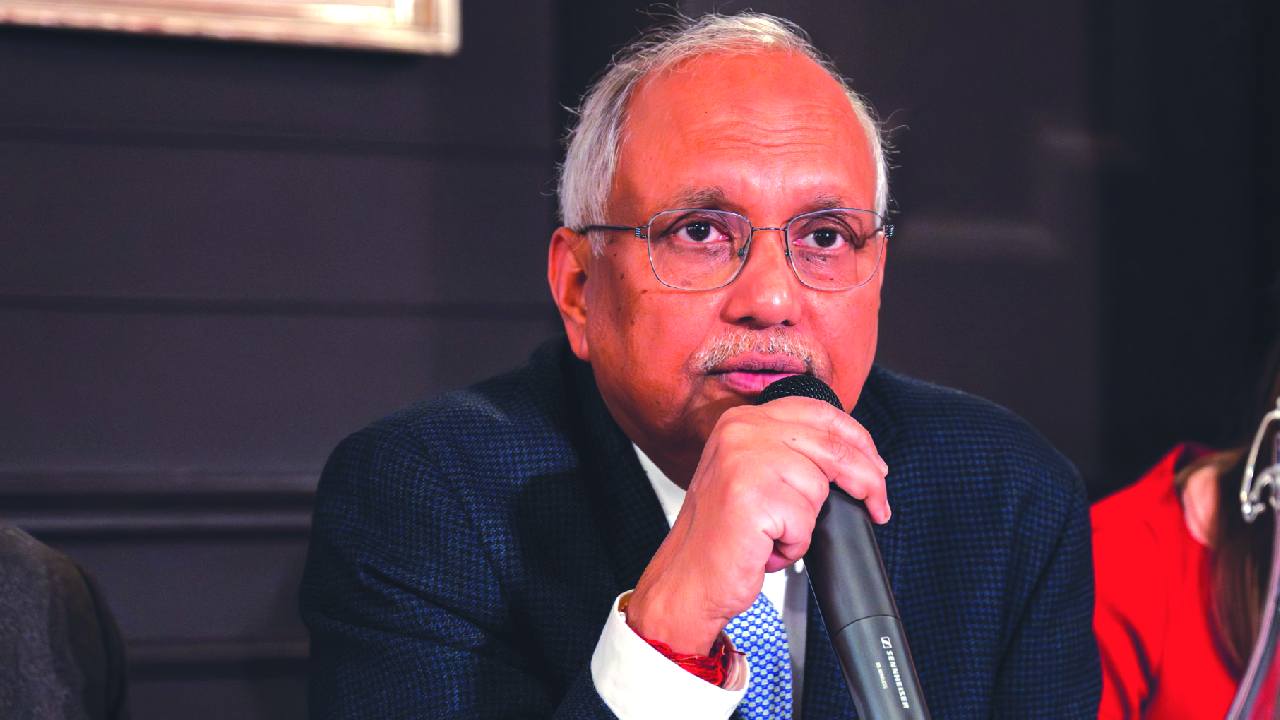
India has emerged as a focal point for long-term economic growth discussions at the World Economic Forum’s annual meeting, despite ongoing geopolitical uncertainties. According to the Confederation of Indian Industry (CII), the atmosphere at Davos was characterized as “cautiously optimistic and strategically focused.” CII Director General Chandrajit Banerjee emphasized that while geopolitical tensions influenced discussions, they did not overshadow economic priorities. Instead, these tensions prompted leaders and investors to reassess supply chain resilience and trade diversification, highlighting India’s macroeconomic stability and reform momentum as key factors for its growth potential.
Geopolitical Tensions and Economic Priorities
During the discussions at Davos, geopolitical issues were a significant backdrop, yet they did not dominate the economic agenda. Banerjee noted that leaders and investors took this opportunity to rethink their strategies regarding supply chains and capital allocation. The focus shifted towards economies that provide stability and predictability in policy-making. India was frequently mentioned as a credible long-term growth anchor, thanks to its large domestic market and ongoing reforms. This positioning reflects a broader recognition of India’s potential to contribute positively to global economic stability amidst uncertainties.
The Rise of Artificial Intelligence
Artificial intelligence (AI) emerged as a dominant theme at this year’s World Economic Forum, influencing various sectors and policy discussions. Banerjee highlighted that India is well-positioned to leverage this AI revolution, owing to its extensive digital market and a wealth of STEM talent. The country boasts a rapidly growing data ecosystem and robust digital public infrastructure, making it an attractive destination for AI investments. Furthermore, India is actively participating in the global dialogue on responsible AI, advocating for standards that promote innovation while ensuring digital sovereignty.
Resilience Amidst Global Challenges
Despite facing a challenging external environment, India has demonstrated resilience, according to Banerjee. However, he cautioned that maintaining this momentum will require a sharper strategic focus. Supply-side disruptions are increasingly becoming structural rather than temporary, particularly for commodities with high supply concentration. Banerjee emphasized the need for diversification and resilience-building within both global and Indian supply chains. This strategic approach is essential for navigating the complexities of the current geopolitical landscape and ensuring sustainable economic growth.
Future Outlook and Strategic Importance
Looking ahead, Banerjee underscored the importance of a strategic focus on diversification and regionalization in supply chains. As global dynamics continue to evolve, the ability to adapt and build resilience will be crucial for India and other economies. The discussions at Davos reflect a shared understanding that AI is transitioning from a frontier technology to a core component of economic infrastructure, influencing competitiveness and national growth strategies for the next decade. India’s proactive stance in this arena positions it as a key player in shaping the future of global economic landscapes.
Observer Voice is the one stop site for National, International news, Sports, Editor’s Choice, Art/culture contents, Quotes and much more. We also cover historical contents. Historical contents includes World History, Indian History, and what happened today. The website also covers Entertainment across the India and World.
Follow Us on Twitter, Instagram, Facebook, & LinkedIn

