

Biologicals: The Life-Saving Medicines Grown from Living Cells
Biologicals: WHO Standards for Vaccines, Blood Products, and Biotherapeutics Saving Millions of Lives Annually

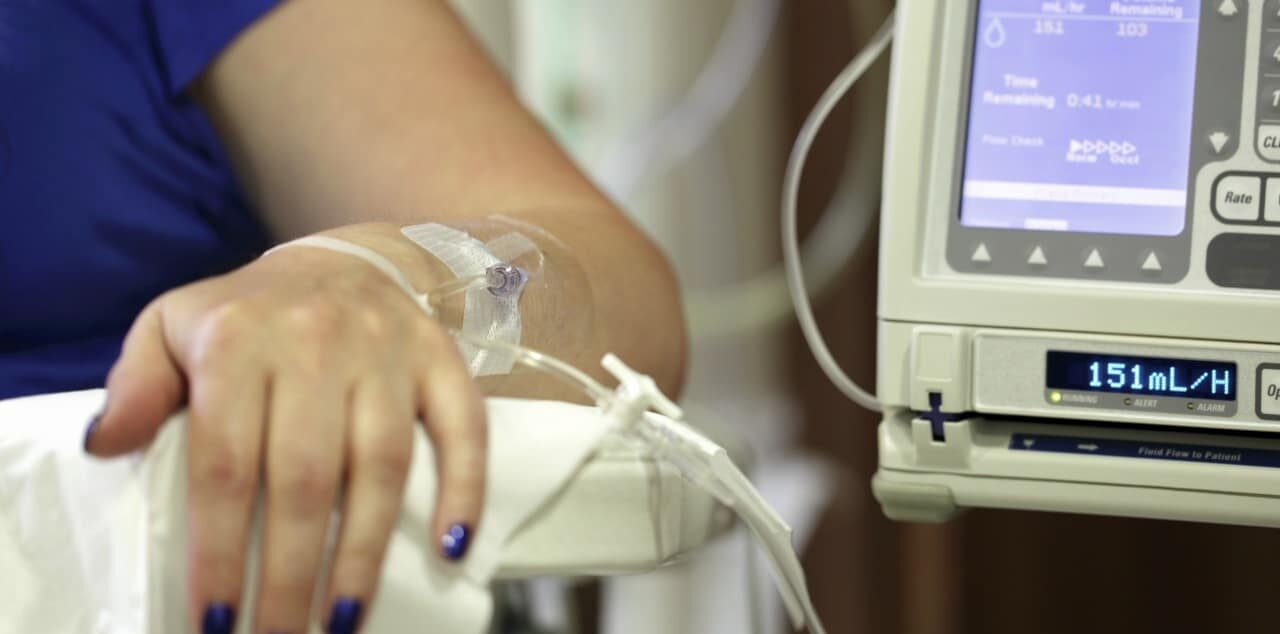
Biological therapeutics, known as biologicals, represent a revolutionary class of medicines fundamentally different from traditional pharmaceuticals. Unlike conventional drugs synthesized chemically as small molecules, biologicals are complex proteins and products grown and purified from large-scale cell cultures of bacteria, yeast, plant cells, or animal cells, or derived from human blood and plasma. The World Health Organization recognizes biologicals as among the most powerful therapeutic tools in modern medicine, encompassing vaccines that save 2-3 million lives annually, blood products essential for surgery and trauma care, insulin for diabetes management, interferons for viral infections and cancer therapy, monoclonal antibodies for cancer and autoimmune diseases, and emerging therapies including stem cells and gene therapies. These diverse products share common characteristics requiring specialized production, rigorous testing, and unique regulatory oversight to ensure their quality, safety, and efficacy across manufacturers and countries worldwide.
Understanding Biologicals: Living Medicines
The defining characteristic of biologicals is their biological origin and complexity. While traditional small-molecule drugs like aspirin or antibiotics contain chemically synthesized compounds with well-defined structures, biologicals are large, complex molecules produced by living systems. This fundamental difference creates unique properties and challenges throughout their lifecycle from development through manufacturing, quality control, and clinical use.
Production of biologicals begins with selecting appropriate cell lines – bacteria like E. coli, yeast species, mammalian cells including Chinese hamster ovary cells, or human cell lines. These cells are genetically engineered or selected to produce desired proteins including therapeutic antibodies, hormones, enzymes, or growth factors. Large-scale bioreactors cultivate billions of cells under carefully controlled conditions of temperature, pH, nutrients, and oxygen. The cells produce the therapeutic protein which must then be harvested and extensively purified through multiple steps removing cellular debris, growth media components, and contaminants while preserving the active protein. Finally, the purified product is formulated, filled into vials or syringes, and packaged.
This complex manufacturing process contrasts sharply with small-molecule drug production where chemical synthesis yields identical molecules batch after batch. Biological production is inherently variable as living cells respond to subtle environmental changes, potentially producing slightly different molecules across batches. Even minor changes in temperature, media composition, or cell passage number can affect the final product’s structure, activity, or safety profile. This variability necessitates extensive testing of each production batch to ensure consistency and quality.
The complexity of biological molecules themselves creates additional challenges. Biologicals are typically large proteins with intricate three-dimensional structures essential for their function. Small changes in amino acid sequence, folding patterns, or post-translational modifications like glycosylation can dramatically alter biological activity, immunogenicity, or safety. Characterizing these molecules requires sophisticated analytical methods that continue evolving as technology advances.
Major Categories: Diverse Products, Common Principles
Vaccines represent perhaps the most impactful category of biologicals, preventing infectious diseases and saving millions of lives annually. Vaccines work by exposing the immune system to killed or weakened pathogens, purified pathogen components, or genetic instructions enabling cells to produce pathogen proteins. This exposure enables immune systems to recognize and rapidly respond to future encounters with the actual pathogen, preventing disease. Different vaccine types include live attenuated vaccines using weakened pathogens, inactivated vaccines using killed pathogens, subunit vaccines containing purified pathogen components, toxoid vaccines using inactivated bacterial toxins, conjugate vaccines linking pathogen sugars to carrier proteins enhancing immune responses, and newer mRNA vaccines providing genetic instructions for cells to produce pathogen proteins. WHO’s immunization programs coordinate global vaccination efforts including disease eradication campaigns like those that eliminated smallpox and nearly eliminated polio.
Blood Products derived from donated human blood include whole blood for transfusions, red blood cells for anemia and blood loss, platelets for clotting disorders and bleeding prevention, plasma for volume replacement, and fractionated plasma products including albumin, immunoglobulins, and clotting factors. These products are essential for surgery, trauma care, cancer treatment, bleeding disorders like hemophilia, and immune deficiencies. Blood safety requires careful donor screening, infectious disease testing, proper collection and storage, and appropriate clinical use. The WHO Blood Regulators Network brings together international authorities on blood products to harmonize standards and improve safety globally.
Hormones and Growth Factors include insulin for diabetes treatment, human growth hormone for growth disorders, erythropoietin stimulating red blood cell production in anemia, and granulocyte colony-stimulating factors supporting white blood cell production during chemotherapy. These products replace deficient natural hormones or supplement production during disease or treatment.
Monoclonal Antibodies represent rapidly growing biological therapeutics. These engineered antibodies target specific molecules with extraordinary precision, enabling treatments for cancers, autoimmune diseases including rheumatoid arthritis and inflammatory bowel disease, and prevention or treatment of infectious diseases. Cancer therapies include antibodies blocking growth signals, marking cancer cells for immune destruction, or carrying toxic payloads directly to tumors. Autoimmune disease treatments use antibodies to block inflammatory signals driving disease. Infectious disease applications include antibodies neutralizing viruses or toxins.
Interferons are proteins naturally produced during viral infections that have therapeutic applications in treating viral hepatitis, some cancers, and multiple sclerosis. These complex molecules modulate immune responses and cellular activities to combat disease.
Emerging Biologicals include gene therapies introducing genetic material to correct deficiencies or fight disease, stem cell therapies using undifferentiated cells capable of developing into various tissue types, and RNA therapeutics including mRNA vaccines and RNA interference therapies. These cutting-edge biologicals promise revolutionary treatments but also present novel regulatory and safety challenges.
WHO’s Role: Setting Global Standards
WHO’s biological standardization program provides crucial infrastructure ensuring biologicals meet consistent quality, safety, and efficacy standards worldwide. This work operates through several interconnected mechanisms addressing the unique challenges biologicals present.
The Expert Committee on Biological Standardization brings together international experts who develop and revise guidance on biological products. This committee meets regularly to review scientific advances, emerging challenges, and proposed guidelines, providing recommendations adopted by WHO and promoted to Member States and manufacturers. The guidelines cover general principles applicable across biological product classes and specific guidance for particular products or product categories.
Guidelines address critical aspects of biological development and production including starting materials selection and characterization, manufacturing processes and controls, quality control testing at each production stage, preclinical safety testing in animal models, clinical trial design and conduct, regulatory approval requirements and procedures, post-marketing surveillance detecting rare adverse events, and batch release testing ensuring every marketed batch meets standards. These comprehensive frameworks help ensure biologicals are developed, manufactured, and used safely and effectively.
International Reference Standards represent another crucial WHO contribution. Because biologicals’ complexity prevents simple chemical characterization, their potency and quality are measured through biological assays comparing test samples against reference standards. WHO establishes international reference preparations serving as worldwide benchmarks. These reference materials enable manufacturers in different countries to calibrate their testing, ensuring a vaccine or blood product manufactured in one country has comparable potency to the same product manufactured elsewhere. This standardization is essential for international vaccine programs, emergency response using products from multiple sources, and ensuring consistent patient care globally.
The development of reference standards is complex and rigorous. Candidate materials undergo extensive collaborative studies involving laboratories worldwide to characterize properties and establish assigned potency values. Once established, reference preparations are stored under carefully controlled conditions and distributed to qualified laboratories and manufacturers. The catalogue of international reference preparations documents available standards covering vaccines, blood products, antibiotics, hormones, and other biologicals.
Biosimilars Guidance addresses an emerging challenge as patents on original biological products expire, enabling development of similar biological products by other manufacturers. Unlike generic small-molecule drugs that can be shown chemically identical to originals, biologicals’ complexity means “copies” are never identical but rather “similar.” WHO develops guidelines on biosimilar evaluation requiring comprehensive comparability studies demonstrating similarity in structure, biological activity, efficacy, safety, and immunogenicity to reference products. This ensures biosimilars provide equivalent benefits while potentially reducing costs and improving access.
Capacity Building and Implementation Support extends WHO’s impact beyond guideline development. WHO conducts workshops and training sessions helping regulatory authorities and manufacturers implement guidance. This outreach proves particularly valuable in low- and middle-income countries where regulatory capacity may be limited. Technical assistance helps countries establish or strengthen regulatory frameworks, develop laboratory capacity for product testing, implement quality control systems, and join international harmonization efforts.
Quality Control: Ensuring Batch-to-Batch Consistency
Each biological product batch must undergo extensive testing ensuring consistency with previous batches and compliance with specifications. This batch-by-batch testing contrasts with small-molecule drugs where process validation enables less frequent finished product testing. The variability inherent in biological production necessitates this rigorous approach.
Testing begins with starting materials including cell banks, growth media, and other inputs. Each material must meet specifications ensuring it will not introduce contaminants or variability into the final product. Cell banks undergo extensive characterization testing for identity, purity, and absence of adventitious agents including viruses, bacteria, and mycoplasma.
During production, in-process testing monitors critical parameters including cell growth rates, protein expression levels, purification step yields, and removal of process-related impurities. These controls ensure the process remains within validated parameters and identify problems early before significant resources are invested in a failing batch.
Final product testing is comprehensive, evaluating identity confirming the product is the intended molecule, purity measuring contaminating proteins or other impurities, potency assessing biological activity through cell-based or animal assays, safety testing for toxins and pyrogenic substances, and consistency confirming similarity to reference standards and previous batches. Additional product-specific tests address particular risks or characteristics important for each biological.
Stability testing evaluates how products withstand storage conditions over time. This testing determines shelf life and storage requirements including temperature ranges, light protection, and container specifications. Some biologicals require frozen storage or refrigeration throughout distribution chains, creating logistical challenges particularly in resource-limited settings.
Impact: Transforming Global Health
The beneficial impact of biologicals extends across virtually all areas of medicine. Vaccines prevent infectious diseases that once killed millions, enabling disease eradication (smallpox), near-eradication (polio), and dramatic reductions in childhood deaths from measles, diphtheria, pertussis, tetanus, and many other diseases. The estimated 2-3 million lives saved annually by vaccines represent only deaths prevented, not accounting for disabilities averted, healthcare costs saved, and economic productivity preserved. Some diseases have been eliminated entirely from many regions thanks to sustained vaccination programs.
Blood products enable modern surgery and trauma care. Before safe blood transfusion, major surgery posed prohibitive bleeding risks. Today, surgeons perform complex procedures knowing blood products can replace losses. Trauma victims survive injuries that would previously prove fatal. Cancer patients tolerate intensive chemotherapy with blood product support. People with hemophilia and other bleeding disorders lead near-normal lives with clotting factor replacement.
Insulin transformed diabetes from a rapidly fatal disease to a manageable chronic condition. The shift from animal-derived insulin to recombinant human insulin produced by genetically engineered bacteria improved consistency and reduced immunological complications. Newer insulin analogs with modified properties enable better blood sugar control with more convenient dosing.
Monoclonal antibodies have revolutionized cancer treatment, autoimmune disease management, and transplant medicine. Cancer patients who would have faced grim prognoses decades ago may achieve remission with antibody-based therapies. People with rheumatoid arthritis and other autoimmune conditions experiencing chronic pain and progressive disability can now maintain function and quality of life. Transplant recipients benefit from more targeted immunosuppression reducing rejection while limiting infection risks.
Gene therapies are beginning to cure previously untreatable genetic diseases. Children with severe combined immunodeficiency, once invariably fatal, can now receive gene therapy restoring immune function. Inherited blindness, muscular dystrophy, and other genetic conditions are being addressed with gene-based approaches.
Challenges: Access, Affordability, and Innovation
Despite their tremendous benefits, biologicals face significant challenges limiting their full potential impact globally. Cost represents perhaps the largest barrier. Biological development and manufacturing is expensive due to complex production processes, extensive testing requirements, and specialized facilities. These costs are passed to patients and health systems, limiting access particularly in low- and middle-income countries. Some biologicals cost hundreds of thousands of dollars per patient annually, creating impossible burdens for individuals and challenging even wealthy health systems.
Access disparities mean life-saving biologicals reach primarily wealthy populations and countries. Childhood vaccines, despite being among the most cost-effective health interventions, don’t reach all children needing them. Advanced biologicals like monoclonal antibodies for cancer remain largely inaccessible in low-resource settings. Blood products may be unavailable or unsafe in countries lacking resources for donor screening, testing, and processing.
The cold chain requirements for many biologicals create logistical challenges. Vaccines, insulin, and many other products require continuous refrigeration from manufacturing through administration. This “cold chain” works reasonably well in countries with reliable electricity and infrastructure but breaks down in remote areas lacking refrigeration. Heat-stable formulations could dramatically improve access but require additional development.
Manufacturing capacity, particularly for vaccines, proved insufficient during the COVID-19 pandemic. Despite enormous global need, production capabilities couldn’t meet demand, leading to inequitable distribution and prolonged pandemic duration. Efforts to expand biomanufacturing capacity including technology transfer and regional production hubs aim to address this gap.
Regulatory harmonization challenges persist despite WHO guidance. Different countries maintain different requirements for biological product approval, creating redundant testing, delays in access to new products, and costs that may make small markets unattractive to manufacturers. Greater harmonization around WHO standards could streamline development and improve access.
Biosimilar uptake has been slower than hoped in some contexts due to physician and patient concerns about interchangeability, regulatory requirements varying across countries, and limited price reductions compared to originator products. Realizing biosimilars’ promise to improve access requires addressing these barriers.
Related Resources:
- WHO Expert Committee on Biological Standardization
- Catalogue of International Reference Preparations
- Immunization, Vaccines and Biologicals
- Blood Transfusion Safety
- Standardizing Biotherapeutic Products
Frequently Asked Questions (Q&A Section)
Biologicals are medicines grown and purified from large-scale cell cultures of bacteria, yeast, or plant/animal cells, or derived from human blood and plasma. Unlike small-molecule drugs made synthetically, biologicals are complex proteins including vaccines, blood products, hormones, monoclonal antibodies, and gene therapies.
Biologicals are large, complex proteins produced by living systems, while traditional medicines are smaller molecules synthesized chemically. This difference means biologicals require different production methods, more extensive batch-by-batch testing, unique regulatory oversight, and specialized storage/handling including cold chain requirements.
Vaccines are estimated to save 2-3 million lives every year globally by preventing infectious diseases. Vaccination programs have eradicated smallpox, nearly eliminated polio, and dramatically reduced deaths from measles, diphtheria, pertussis, tetanus, and many other diseases.
WHO establishes international reference preparations serving as worldwide benchmarks for biologicals. These reference materials enable manufacturers in different countries to calibrate their testing, ensuring products have comparable potency regardless of where they’re manufactured. This standardization is essential for global vaccine programs and consistent patient care.
Blood products including whole blood, red blood cells, platelets, plasma, and fractionated components are life-saving for surgery, trauma care, cancer treatment, bleeding disorders like hemophilia, and immune deficiencies. Most donated blood is separated into components so a single unit can help multiple patients.
Disclaimer: This article is an adaptation of publicly available information from WHO’s Biologicals
health topic page (WHO, Geneva. Licence: CC BYNC-SA 3.0 IGO). WHO is not responsible for the
content or accuracy of this adaptation. This content is for informational and educational purposes
only and does not constitute medical advice. ObserverVoice.com is a news and information platform
— not a healthcare provider.
Observer Voice is the one stop site for National, International news, Sports, Editor’s Choice, Art/culture contents, Quotes and much more. We also cover historical contents. Historical contents includes World History, Indian History, and what happened today. The website also covers Entertainment across the India and World.

