

Secretary-General Urges Delegates to Address Injustice and Impunity, Presents 2026 Priorities to General Assembly

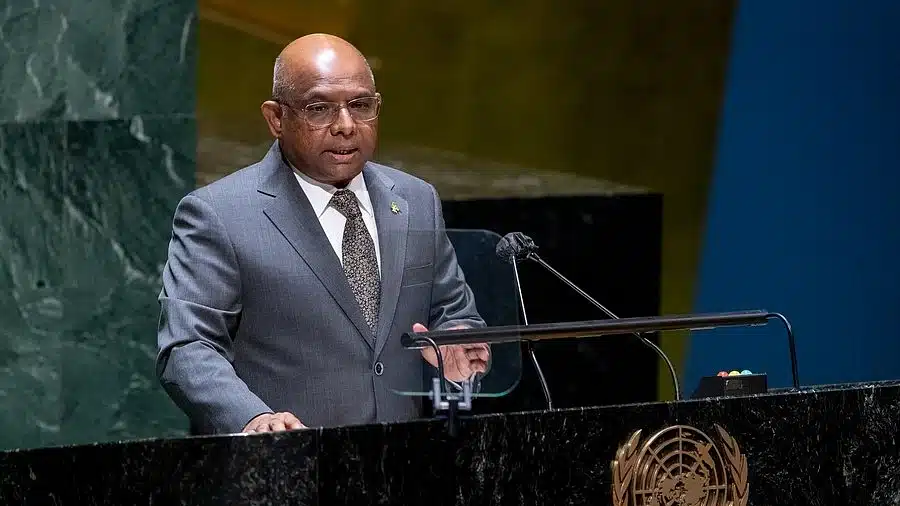
United Nations Secretary-General António Guterres urged delegates at the General Assembly to take a stand against injustice and impunity during his address outlining the organization’s priorities for 2026. He emphasized the pressing need for international cooperation, warning that while the world faces significant challenges, there is a growing reluctance to engage in collaborative efforts. Guterres called for a reform of financial and trade institutions to adapt to the changing global landscape and highlighted three core principles essential for navigating current global chaos.
Urgent Call for International Cooperation
In his address, Guterres expressed concern that the current global environment is marked by a decline in international cooperation at a time when it is most needed. He pointed out that while the world grapples with various crises, including conflicts and climate change, many nations are hesitant to invest in collaborative solutions. The Secretary-General noted that the existing financial rules must be revised to prevent a budget breakdown, especially as many countries fail to meet their financial obligations to the United Nations. He stressed that the solutions of the past, established in 1945, are inadequate for addressing the complexities of 2026.
Guterres highlighted the growing influence of emerging economies and the shrinking share of developed countries in the global GDP, underscoring the necessity for reform in international financial and trade institutions. He also called for changes within the Security Council, stating that those in power must take the lead in reform efforts to ensure a more equitable global governance structure.
Core Principles for Global Stability
The Secretary-General outlined three fundamental principles that the international community must adhere to in order to restore stability and cooperation. The first principle emphasizes full respect for the UN Charter, which he described as a “prix fixe” menu rather than an “à la carte” option. Guterres warned that selectively following rules undermines global order and sets a dangerous precedent. He also raised concerns about the influence of wealth disparity on global narratives and public discourse, particularly in the context of artificial intelligence and its governance.
The second principle focuses on achieving peace with justice, which includes addressing conflicts in regions such as Gaza and Ukraine. Guterres called for an immediate ceasefire in Gaza and urged parties in Sudan to halt hostilities and resume negotiations. He highlighted the connection between sustainable peace and development, noting that many countries with low human development indicators are currently embroiled in conflict.
Addressing Climate Justice and Social Cohesion
Guterres emphasized that “peace with justice” extends to environmental concerns, stating that climate justice is crucial for global security. He pointed out that failure to keep global temperatures below 1.5°C poses risks that transcend borders, affecting financial systems and supply chains. The Secretary-General argued that addressing climate change is not just an environmental issue but a matter of peace and security, as vulnerabilities in one region can have far-reaching consequences.
The third principle he outlined is the need to foster unity in an increasingly divided world. Guterres noted that rising racism, xenophobia, and religious intolerance are eroding community bonds globally. He acknowledged that while nations have the sovereign right to manage their borders, the rights of migrants and refugees must also be respected. He urged countries to create inclusive societies that prioritize social cohesion, education, and economic opportunities for all.
Multilateralism and Global Challenges
During the discussion that followed Guterres’ address, many delegates underscored the importance of multilateralism in addressing global challenges. Representatives from various nations expressed concern over the ongoing crises, including the situation in the Occupied Palestinian Territory. They called for a commitment to the United Nations Relief and Works Agency for Palestine Refugees in the Near East (UNRWA) and emphasized the need for Israel to adhere to international law.
Delegates also highlighted the necessity of reforming the UN to ensure it remains effective in the face of contemporary challenges. They stressed that reform should not merely focus on cost-cutting but should also address issues like fair debt restructuring and climate finance. Countries like Timor-Leste and Cuba called for a new international order that prioritizes justice and equity, particularly for developing nations.
As the Assembly noted the financial contributions of member states, Guterres’ message resonated: the world must work together to confront the myriad challenges it faces, fostering a spirit of cooperation and solidarity to build a more just and peaceful future.
Observer Voice is the one stop site for National, International news, Sports, Editor’s Choice, Art/culture contents, Quotes and much more. We also cover historical contents. Historical contents includes World History, Indian History, and what happened today. The website also covers Entertainment across the India and World.

