

Heater vs. Hot and Cold AC: Which Winter Heating Solution Performs Best?

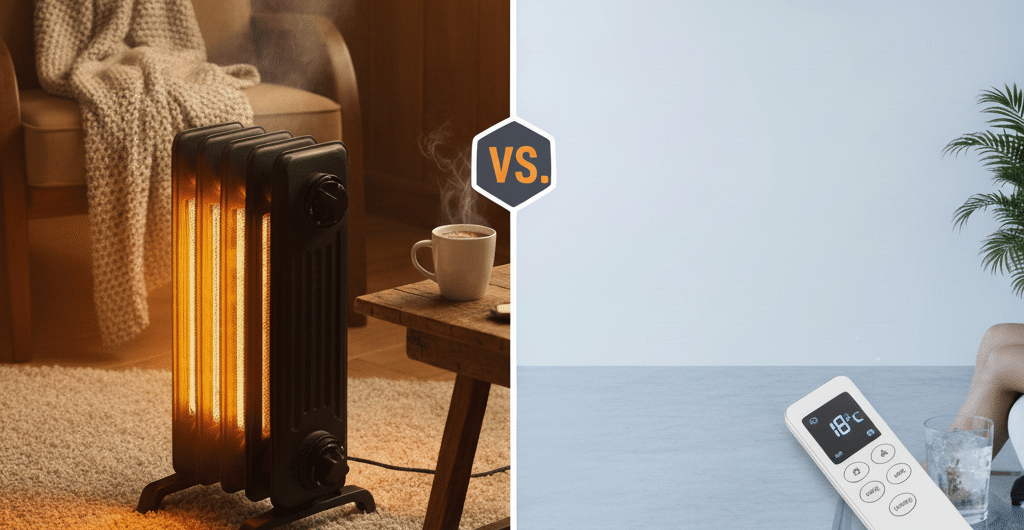
As winter approaches and temperatures drop, many households are faced with the decision of how to effectively heat their living spaces. The two primary options are dedicated room heaters and hot and cold air conditioners. While both aim to provide warmth and comfort, they operate differently and cater to distinct needs. Understanding the performance, advantages, and limitations of each option can help homeowners make informed choices based on their specific circumstances.
Understanding Room Heaters
Room heaters are designed specifically to generate heat, utilizing various mechanisms such as convection, radiant heating, or oil-filled systems. Their main function is to warm the air or objects in enclosed spaces quickly, making them ideal for immediate comfort. One of the key benefits of room heaters is their portability; many models can be easily moved from room to room, allowing for targeted heating without the need to warm an entire home.
However, this focused heating approach comes with limitations. Room heaters are typically intended for short-term use or smaller areas. To heat larger rooms or open spaces effectively, higher-capacity models are necessary, which can lead to increased electricity consumption. Over time, this can result in higher energy bills. Safety is another important consideration, as modern heaters, while equipped with features like tip-over protection, still require careful placement to avoid hazards. Additionally, some models can be noisy, particularly fan-based heaters, which may disrupt quiet activities or sleep.
Pros and Cons of Room Heaters
The most significant advantage of room heaters is their ability to provide immediate warmth in specific areas. They do not require installation, making them a convenient choice for renters or those seeking temporary solutions. The initial cost of purchasing a room heater is generally lower than that of a hot and cold air conditioner, making them accessible to a broader audience. Furthermore, users can activate them only when needed, which can lead to energy savings by avoiding unnecessary heating of unused spaces.
On the downside, room heaters struggle to maintain consistent temperatures over extended periods. They often cycle on and off, resulting in fluctuating warmth levels. In poorly insulated rooms, heat can escape quickly, forcing the heater to work harder and consume more power, ultimately reducing efficiency.
Heating with Hot and Cold Air Conditioners
Hot and cold air conditioners utilize heat pump technology to manage indoor temperatures. Instead of generating heat directly, these systems transfer heat from the outside air into the room, allowing for efficient heating even in colder weather. They also function as cooling systems during the summer months. A major advantage of hot and cold air conditioners is their ability to maintain a consistent temperature once set, creating a stable indoor environment without the sharp fluctuations that can occur with room heaters.
These systems excel in larger spaces that require prolonged heating. They distribute warm air evenly, minimizing cold spots and enhancing overall comfort. Additionally, since the same unit provides both heating and cooling, it simplifies climate control throughout the year. However, installation is more complex, requiring wall mounting, electrical adjustments, and outdoor unit placement, which can increase initial costs and limit flexibility for temporary setups.
Evaluating Hot and Cold Air Conditioners
The primary benefit of hot and cold air conditioners lies in their efficiency for long-term use. Heat pump technology typically consumes less electricity than traditional resistance-based heaters when operated continuously, making them suitable for households that need heating for several hours each day.
Nevertheless, these systems have their drawbacks. The initial investment is higher, both for the unit itself and for installation. Additionally, their performance can be affected by outdoor temperatures. In extremely cold conditions, heating efficiency may decline, forcing the system to work harder to maintain warmth. This can lead to increased energy consumption and potential discomfort during the coldest months.
Observer Voice is the one stop site for National, International news, Sports, Editor’s Choice, Art/culture contents, Quotes and much more. We also cover historical contents. Historical contents includes World History, Indian History, and what happened today. The website also covers Entertainment across the India and World.
Follow Us on Twitter, Instagram, Facebook, & LinkedIn

