

Navigating China Shock 2.0: How India Serves as a Counterbalance for the US Economy

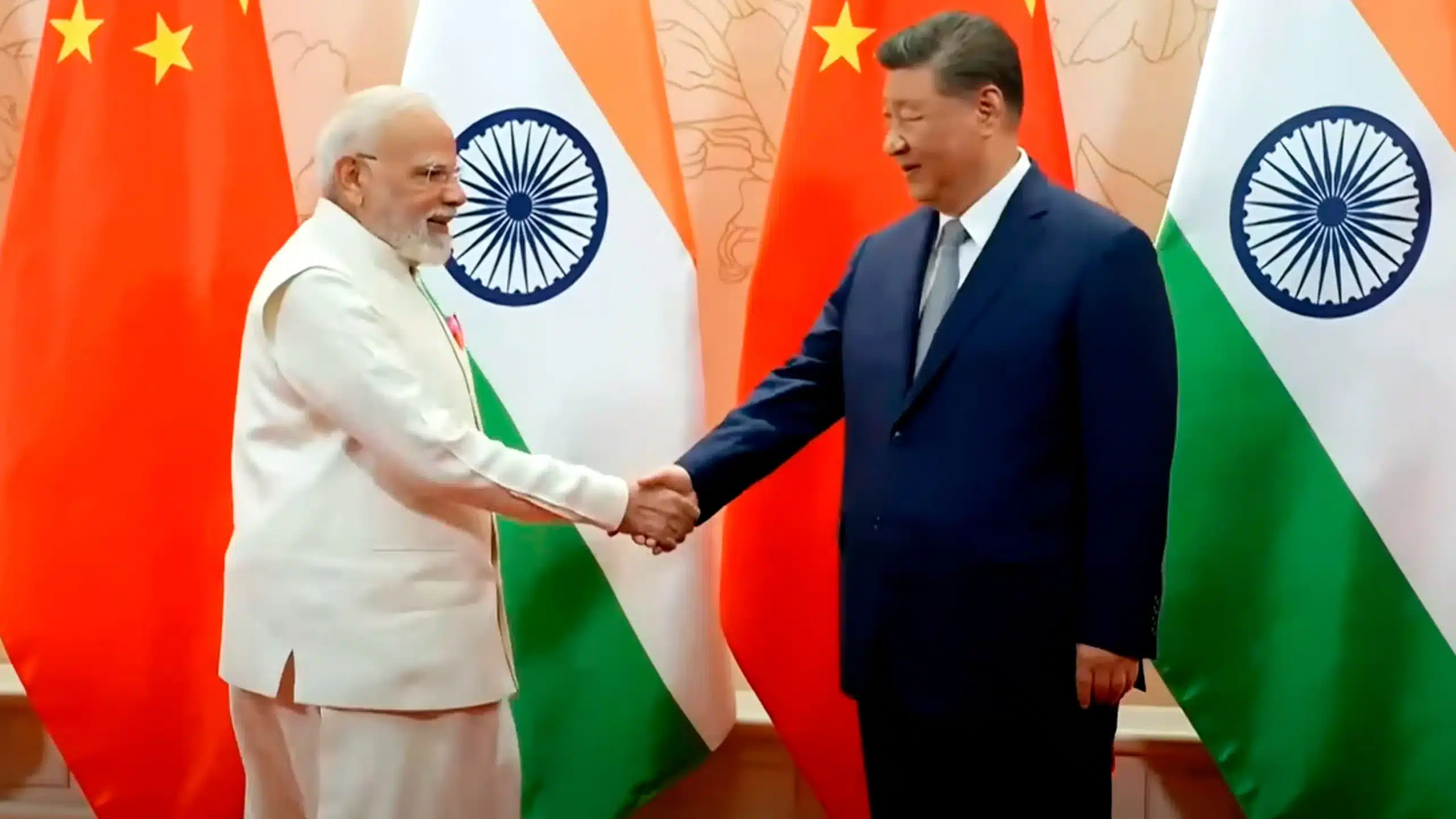
In the early 2000s, American manufacturing faced a significant decline as factories shuttered and jobs disappeared, particularly in regions like North Carolina. This economic downturn was largely attributed to the influx of Chinese imports following China’s entry into the World Trade Organization in 2001, a phenomenon now referred to as the “China Shock.” Fast forward to today, and the world is witnessing a new wave of economic disruption, dubbed “China Shock 2.0,” driven by China’s dominance in advanced manufacturing sectors such as electric vehicles and semiconductors. This shift poses serious implications for global trade and economic stability.
The Evolution of Economic Disruption
The initial China Shock, which unfolded between 1990 and 2007, had profound effects on American labor markets. Economists David Autor, David Dorn, and Gordon Hanson highlighted in their pivotal 2013 study that rising Chinese imports led to a significant decline in U.S. manufacturing jobs. Their research revealed that about 25% of the job losses during this period could be traced back to increased import competition. Furthermore, the recovery for affected communities was alarmingly slow, with wages and employment rates remaining depressed for a decade. Today, Autor warns that the stakes are even higher. The emergence of advanced technologies in manufacturing, coupled with China’s aggressive industrial policies, threatens to reshape the global economic landscape once again.
China’s current manufacturing prowess is staggering. In 2024, it accounted for approximately 27.7% of global manufacturing output, producing goods worth $4.66 trillion. This dominance extends to critical sectors, where China leads in solar panel production, electric vehicle batteries, and rare earth element refining. The competition has shifted from traditional industries to high-tech sectors, raising concerns about the U.S.’s ability to maintain its manufacturing edge.
The Arms Race in Industrial Policy
The disparity in government support for manufacturing between China and other nations is striking. China invests an estimated $450-500 billion annually in industrial subsidies, dwarfing the U.S. CHIPS Act’s $52 billion allocation over five years. The European Union and other countries have also committed significantly less, with their combined efforts totaling around $100 billion annually—only one-fifth of China’s investment. This imbalance raises alarms about the U.S.’s ability to compete effectively in the global market.
The U.S.-China Economic and Security Review Commission’s 2025 report warns that the second wave of the China Shock complicates efforts to de-risk supply chains. China’s ability to produce higher-value goods at scale, bolstered by years of technology acquisition and state support, poses a formidable challenge to other nations. As China continues to expand its market share, the implications for global trade dynamics become increasingly concerning.
China’s Trade Surplus and Economic Resilience
In 2024, China achieved a historic trade surplus of $992 billion, surpassing the previous record set in 2022. This surplus has been fueled by a combination of weak domestic demand and high household savings rates, resulting in a trade balance that constitutes 2% to 4% of China’s GDP. The International Monetary Fund (IMF) noted that while China’s export volumes surged by approximately 40% from 2019 to 2024, import volumes saw only a marginal increase. This trend underscores China’s growing dominance in global trade, raising questions about the sustainability of this economic model.
The role of state support in China’s industrial strategy remains a contentious issue. Various organizations have attempted to quantify the extent of these subsidies, with estimates indicating that Chinese firms receive significantly higher subsidy rates compared to their global counterparts. The Organisation for Economic Co-operation and Development (OECD) suggests that these subsidies could amount to around 4% of China’s GDP annually, further solidifying its competitive advantage.
India’s Opportunity Amidst Global Challenges
For India, the current economic landscape presents both challenges and opportunities. With a workforce of 67 million in manufacturing and a growing population, India has the potential to emerge as a significant counterbalance to China’s manufacturing dominance. Former Niti Aayog CEO Amitabh Kant emphasized the need for India to bolster its manufacturing sector to enhance employment and economic strength.
India’s Production Linked Incentive schemes have shown promise, particularly in electronics manufacturing, which reached $42 billion in exports in 2024. However, the scale of growth remains insufficient to match China’s rapid advancements. India’s demographic advantage, coupled with its capabilities in pharmaceuticals, IT services, and automotive manufacturing, positions it favorably in the global market.
Observer Voice is the one stop site for National, International news, Sports, Editor’s Choice, Art/culture contents, Quotes and much more. We also cover historical contents. Historical contents includes World History, Indian History, and what happened today. The website also covers Entertainment across the India and World.
Follow Us on Twitter, Instagram, Facebook, & LinkedIn

