

Teens Urge Authorities to Tackle Harmful Online Content Directly

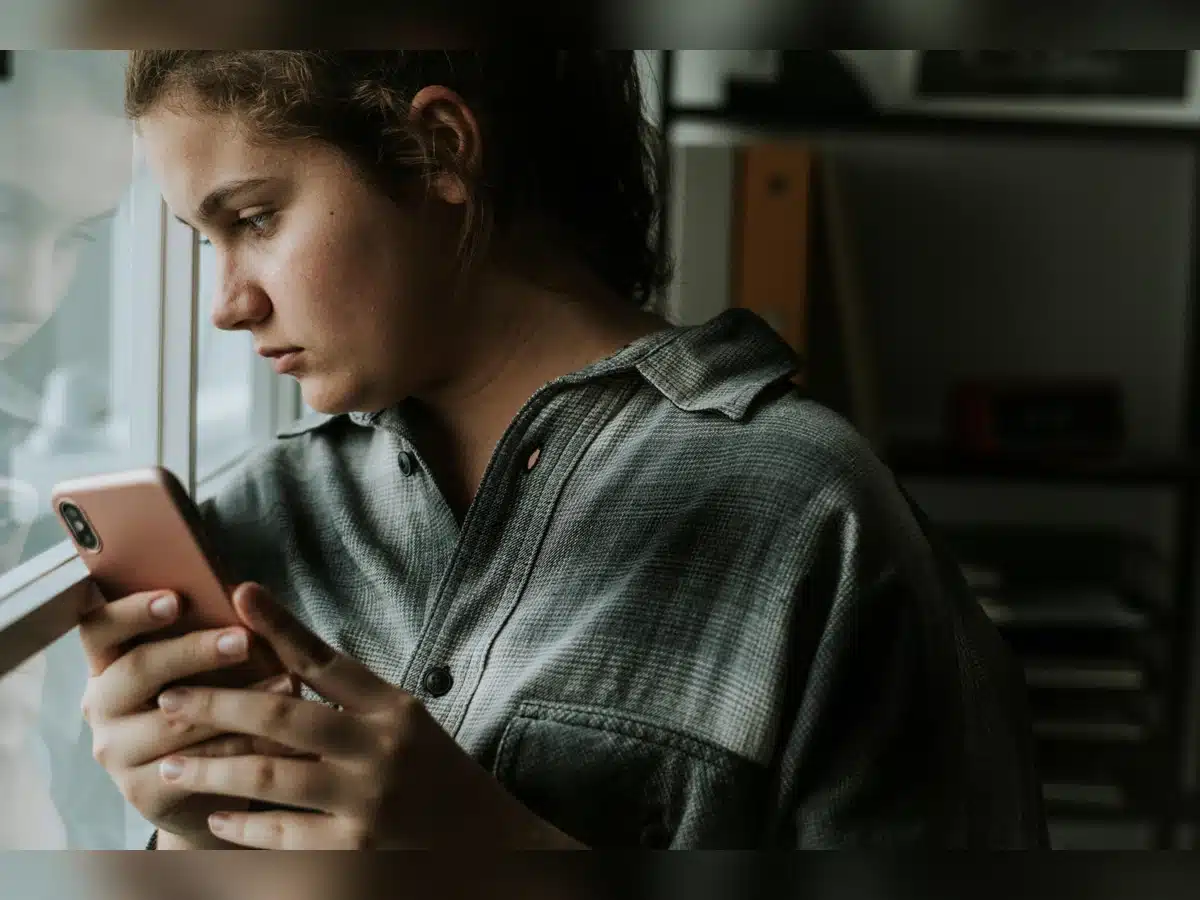
Social media companies and the Australian government are facing a significant challenge regarding a new law that prohibits individuals under the age of 16 from holding accounts on platforms like Meta, TikTok, and YouTube. This legislation, set to take effect on December 10, aims to protect young users from harmful content. However, two 15-year-olds, supported by a rights group, are contesting the law in the nation’s highest court, arguing that it infringes on their right to free communication. They believe that instead of imposing age restrictions, resources should be directed toward eliminating online predators and harmful content.
Legal Challenge Against Age Restrictions
The legal challenge is spearheaded by Noah Jones and Macy Newland, who assert that the new law unjustly limits their ability to engage with the online world. Noah expressed his concerns during an interview with BBC Radio 4, stating that while there are indeed dangers online, banning users under 16 is not the solution. He emphasized that social media companies should allocate their resources to combatting online threats rather than simply avoiding government fines. Macy echoed his sentiments, acknowledging the issues associated with social media but also highlighting its positive aspects, such as fostering education and communication.
Both teenagers argue that the blanket ban on under-16s would negatively impact their relationships and access to vital information, particularly regarding political matters. Macy pointed out that democracy and civic engagement should not be restricted to those over 16, as the law suggests. Their perspective reflects a growing concern among young users about the implications of such regulations on their rights and freedoms.
Government’s Stance on the Law
The Australian government, represented by Communications Minister Anika Wells, remains steadfast in its support for the new law. In a recent address to parliament, Wells stated that the government would not be deterred by legal challenges or pressure from large tech companies. She emphasized the government’s commitment to protecting children online, asserting that they would stand firm on behalf of Australian parents. This strong stance indicates the government’s belief in the necessity of the law to safeguard young users from potential online dangers.
Despite the government’s confidence, the law has faced criticism from various quarters. While polls suggest that a majority of Australian adults support the ban, some mental health advocates warn that it could isolate children from their peers. Critics argue that such restrictions might inadvertently push young users toward less regulated areas of the internet, where they could encounter even greater risks.
Calls for Alternative Solutions
In light of the ongoing debate, Noah and Macy advocate for alternative solutions that focus on education and safety rather than outright bans. They propose enhanced safety measures, such as age verification systems, and better resources to educate young users about online risks. Their approach emphasizes the importance of equipping young people with the knowledge and tools needed to navigate social media responsibly.
Macy highlighted the need for a balanced perspective on social media, recognizing both its potential harms and benefits. She believes that fostering a culture of awareness and responsibility among young users could lead to a safer online environment without resorting to restrictive measures. This viewpoint resonates with many who argue for a more nuanced approach to online safety, one that empowers users rather than limits their access.
Public Opinion and Future Implications
As the legal challenge unfolds, public opinion remains divided. While many adults support the government’s initiative to protect children, there is a growing concern about the implications of such a ban on young people’s social interactions and access to information. The Digital Freedom Project, which is backing the teenagers’ case, highlights the need for a more comprehensive discussion about online safety that includes the voices of young users.
The outcome of this legal battle could set a significant precedent for how governments regulate social media access for minors. As the court case progresses, it will be crucial to consider the perspectives of both the government and young users, ensuring that any measures taken prioritize safety without compromising the rights of individuals to communicate freely online.
Observer Voice is the one stop site for National, International news, Sports, Editor’s Choice, Art/culture contents, Quotes and much more. We also cover historical contents. Historical contents includes World History, Indian History, and what happened today. The website also covers Entertainment across the India and World.
Follow Us on Twitter, Instagram, Facebook, & LinkedIn

