

Trump Sanctions Begin: India’s Response to Russian Crude Oil Purchases

US President Donald Trump has enacted sanctions against two major Russian oil companies, Rosneft and Lukoil, effective November 21, 2025. This move aims to pressure India to halt its crude oil imports from Russia, which have surged since the onset of the Ukraine conflict. Alongside these sanctions, Trump has imposed a 25% tariff on Indian exports linked to these oil imports, complicating ongoing trade negotiations between the two nations. As Russian crude shipments to India decline, the global oil market braces for potential disruptions.
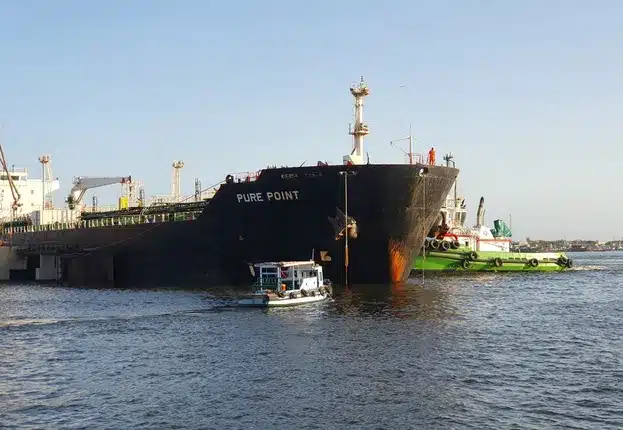
The sanctions targeting Rosneft and Lukoil are expected to significantly alter the landscape of oil imports for India. Reports indicate that around 48 million barrels of Russian oil could be stranded at sea, forcing vessels to seek alternative delivery locations. Experts believe that these sanctions will compel India to diversify its crude oil sources, as Rosneft and Lukoil have supplied approximately 34% of India’s crude oil this year, with these companies accounting for about 60% of that volume. Following the sanctions, Indian refiners are anticipated to cease direct procurement from these entities, leading to a notable decrease in Russian oil deliveries, particularly in December and January. Kpler, a global data analytics provider, predicts that Indian refiners, with the exception of Nayara, will stop sourcing crude oil from the sanctioned Russian firms. Although shipments have already begun to decline since October 21, the full impact of the sanctions remains to be seen, as Russia has previously demonstrated its ability to adapt through the use of intermediaries and shadow fleets. The evolving dynamics of oil trading are likely to see Indian refiners adopting more conservative strategies, utilizing non-sanctioned traders and mixed oil sources to mitigate exposure to U.S. regulations.
Current State of Indian Imports from Russia
India’s crude oil imports from Russia have surged since the onset of the Ukraine war, with Russian oil now constituting nearly 40% of India’s total oil imports. In the lead-up to the November 21 sanctions deadline, imports from Russia are expected to remain robust, with estimates around 1.8 to 1.9 million barrels per day. However, following the sanctions, imports from Rosneft and Lukoil are likely to face increased scrutiny and higher sanctions exposure, leading to a significant drop in volumes.
Kpler’s analysis suggests that no Indian refiners, except for Nayara’s already-sanctioned facility, will risk dealing with the designated entities. The need for refiners to reconfigure contracts and payment channels will further complicate the transition away from Russian crude. While the immediate future of Russian oil imports appears uncertain, the long-term implications will depend on how strictly the West enforces sanctions and whether additional measures are introduced.
Exploring Alternatives to Russian Oil
In light of the sanctions on Rosneft and Lukoil, India is exploring various alternatives to meet its crude oil needs. Indian refiners are likely to diversify their sources, turning to suppliers from the Middle East, Latin America, West Africa, and North America. Despite the potential for increased freight costs on long-haul routes, the overall import basket is expected to expand.
Moreover, India can still legally import Russian crude from non-sanctioned entities, as the current sanctions specifically target Rosneft and Lukoil. This means that crude supplied by other Russian producers, such as Surgutneftegaz and Gazprom Neft, can still be procured, provided that no sanctioned entities are involved in the transaction. However, operational risks will increase for all suppliers, as the potential for expanded sanctions looms. The dominant position of Rosneft and Lukoil in Russia’s oil export infrastructure may also pose challenges in replacing their volumes immediately.
Future of Russian Crude Imports
Despite the sanctions, there is an indication that Russian crude may continue to flow to India through less transparent channels. Kpler has noted an increase in undisclosed cargoes leaving Russian ports, suggesting that while declared volumes may decrease, the overall flow of Russian oil is unlikely to cease entirely. The ongoing demand for discounted Russian crude remains strong, as India prioritizes affordability and energy security.
The long-term outlook for Russian oil imports will hinge on the enforcement of sanctions and the potential introduction of new measures. While a complete halt to Russian imports seems improbable, the landscape of oil trading is entering a phase of heightened uncertainty. As refiners navigate these changes, they will likely adopt new trading practices and sourcing strategies to maintain supply while complying with evolving regulations.
Observer Voice is the one stop site for National, International news, Sports, Editor’s Choice, Art/culture contents, Quotes and much more. We also cover historical contents. Historical contents includes World History, Indian History, and what happened today. The website also covers Entertainment across the India and World.

