

Children Account for 43% of Pollution-Related Health Insurance Claims

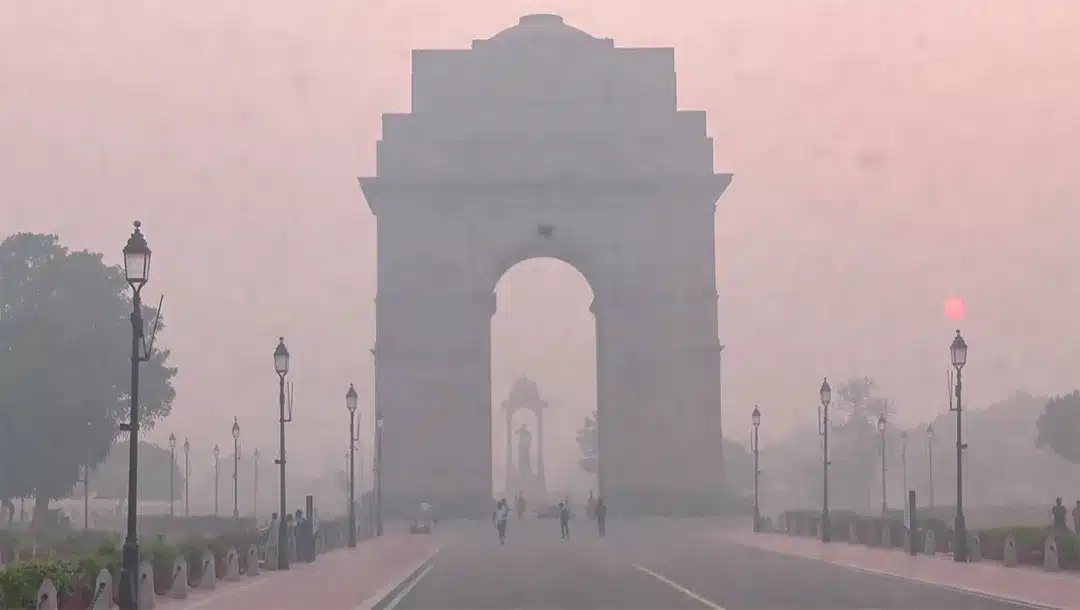
Children are facing the brunt of India’s escalating air pollution crisis, with a recent report revealing that nearly half of all pollution-related health insurance claims come from children under ten years old. The study, conducted by Policybazaar, highlights that this age group is disproportionately affected, filing 43% of claims linked to pollution. As air quality deteriorates, experts warn that what was once viewed as an environmental issue has now transformed into a significant public health emergency.
The report indicates that children aged 0 to 10 are five times more likely to be affected by pollution-related health issues compared to other age groups. Adults aged 31 to 40 account for 14% of such claims, while those over 60 represent only 7%. This stark contrast underscores the vulnerability of younger populations, particularly those who spend more time outdoors. The findings reveal that pollution-related illnesses now constitute 8% of total hospitalization claims, primarily due to respiratory and cardiovascular complications.
Delhi leads the nation in pollution-linked insurance claims, followed closely by Bengaluru and Hyderabad. Alarmingly, even Tier-2 cities like Jaipur, Lucknow, and Indore are witnessing a rise in such claims, indicating that air quality concerns are extending beyond major metropolitan areas. The report also notes a significant 11% increase in treatment costs, with the average claim amounting to ₹55,000 and hospitalization expenses reaching ₹19,000 per day.
Seasonal Trends and Rising Pollution Levels
The report highlights a seasonal pattern in pollution-related claims, which surged by 14% following Diwali. This spike coincides with a marked increase in the Air Quality Index (AQI) levels, driven by factors such as stubble burning, fireworks, and stagnant winter air. As Delhi’s air quality reached alarming levels, with the AQI soaring to 428—the worst in nearly 11 months—authorities implemented Stage III restrictions under the Graded Response Action Plan (GRAP). These measures included halting construction activities and restricting the movement of certain petrol and diesel vehicles.
Experts attribute the worsening air quality to calm winds and dropping temperatures, which have trapped pollutants near the ground, resulting in thick smog that has reduced visibility to as low as 600 meters in areas like Safdarjung. In response to the deteriorating conditions, the Delhi Directorate of Education has mandated that schools conduct classes for students up to Class V in a hybrid format, while the Commission for Air Quality Management has recommended staggered office timings to alleviate congestion.
Broader Health Implications
The report reveals that pollution-related health issues extend beyond respiratory problems, encompassing conditions such as asthma, chronic obstructive pulmonary disease (COPD), hypertension, pregnancy complications, and various skin and eye allergies. The proportion of claims related to these ailments has steadily increased from 6.4% in 2022 to 9% in 2025, signaling a growing health crisis.
As India prepares for another winter marked by smog, experts caution that the nation is grappling with not only an environmental challenge but also a severe health emergency. The data clearly indicates that children are bearing the brunt of this crisis, raising urgent concerns about the long-term implications for their health and well-being.
Observer Voice is the one stop site for National, International news, Sports, Editor’s Choice, Art/culture contents, Quotes and much more. We also cover historical contents. Historical contents includes World History, Indian History, and what happened today. The website also covers Entertainment across the India and World.

