

India’s Rapid Data Centre Expansion Faces Critical Water Scarcity Issues

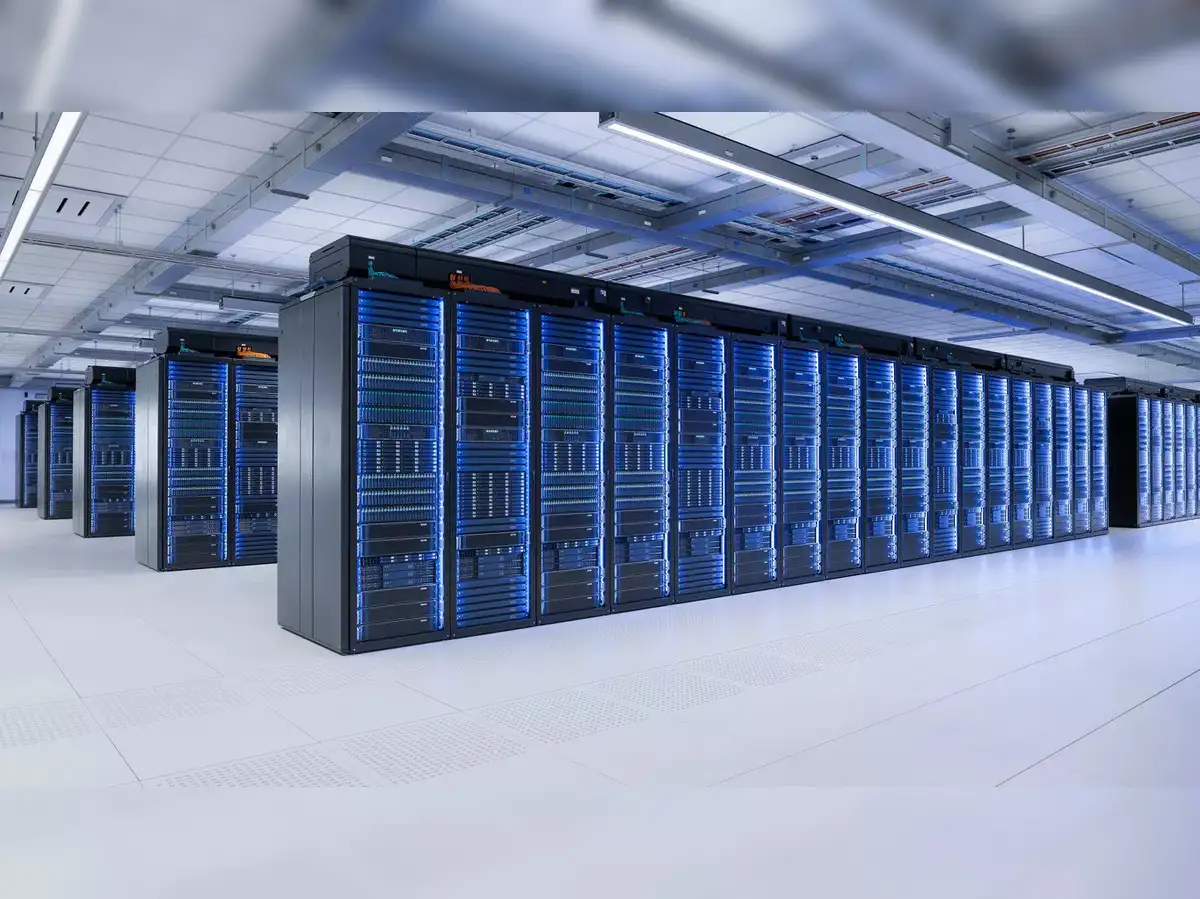
The rapid expansion of artificial intelligence is driving a significant surge in data centre development across India, the third-largest economy in Asia. With a projected 77% increase in data centre capacity by 2027, major tech companies are investing heavily in this sector. Notably, Google recently announced a $15 billion investment in a new AI data centre in Andhra Pradesh, marking its largest commitment in India to date. However, this growth raises concerns about the environmental impact, particularly regarding water and energy consumption.
Investment Surge in Data Centres
India’s data centre market is witnessing unprecedented growth, fueled by substantial investments from both global and local companies. Google’s recent $15 billion investment in Andhra Pradesh highlights this trend, as it aims to bolster its AI capabilities. Other major players, including Amazon Web Services and Meta, are also contributing billions to the sector. Even luxury real estate developers are entering the fray, recognizing the lucrative potential of data centre construction. According to global real estate advisory JLL, India’s data centre capacity is expected to reach 1.8GW by 2027, with an estimated $25-30 billion earmarked for expansion by 2030. This rapid growth is essential for meeting the increasing demand for digital services, as India is projected to become the largest consumer of data globally by 2028.
Challenges of Water and Energy Consumption
Despite the promising outlook, the expansion of data centres poses significant challenges, particularly concerning water and energy use. India, which has only 4% of the world’s water resources despite housing 18% of its population, faces a critical water crisis. The World Bank has highlighted that India’s data centre water consumption could more than double by 2030, exacerbating existing water stress in urban areas. Most data centres are located in cities like Mumbai and Bengaluru, where water demand is already high. Advocacy groups have raised alarms about the potential diversion of public resources for these facilities, especially in regions already facing acute water shortages.
Energy consumption is another pressing concern. The International Energy Agency predicts that data centres will account for 1-2% of India’s total electricity demand, which could lead to increased reliance on fossil fuels. While some data centres are partnering with renewable energy providers, there is currently no regulation mandating the use of clean energy. Experts emphasize the need for a balanced approach that fosters technological growth while safeguarding environmental resources.
Policy Implications and Future Directions
As India accelerates its digital transformation, policymakers must navigate the complexities of sustainable development. The current regulatory framework lacks a strong focus on water usage in data centre operations, which poses risks for long-term viability. Experts suggest that innovative solutions, such as utilizing treated wastewater for cooling systems, could alleviate some of the pressure on local water supplies. Additionally, adopting zero-water cooling technologies could further mitigate environmental impacts.
The government is urged to establish clearer guidelines that prioritize sustainable practices in data centre development. As the demand for data continues to rise, ensuring that infrastructure growth does not come at the expense of essential resources will be crucial. The balance between fostering economic growth and protecting the environment will define the future of India’s data centre industry.
Observer Voice is the one stop site for National, International news, Sports, Editor’s Choice, Art/culture contents, Quotes and much more. We also cover historical contents. Historical contents includes World History, Indian History, and what happened today. The website also covers Entertainment across the India and World.

