

Impact of Donald Trump’s Tariffs on Indian Restaurants in New York: Understanding the Challenges

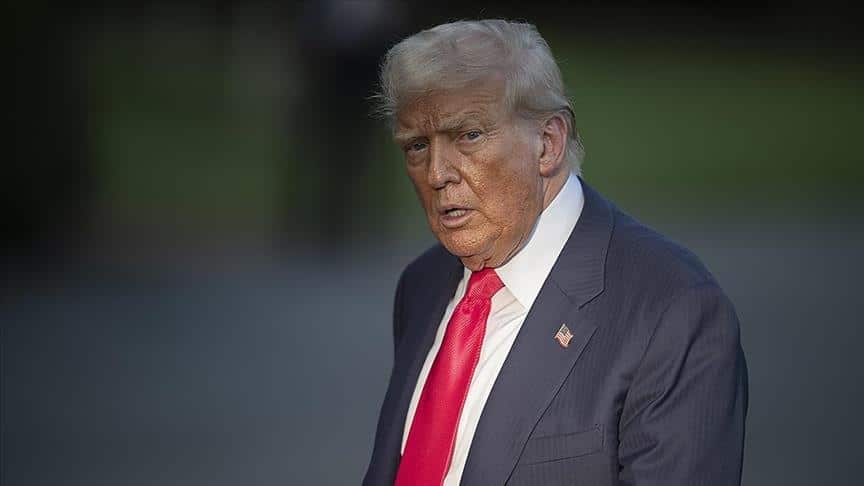
Indian restaurants in New York City are experiencing significant challenges as they navigate the repercussions of increased import costs due to recent tariff hikes imposed by the U.S. government. Following President Donald Trump’s decision to double tariffs on most Indian exports to 50%, many establishments are grappling with soaring prices for essential ingredients. This situation is particularly pressing for restaurants that have recently gained popularity among Wall Street executives, as they strive to maintain their customer base amid rising costs.
Impact of Tariffs on Ingredient Prices
The tariffs, which took effect on August 27, have led to a sharp increase in the prices of key ingredients for Indian cuisine. Chef Salil Mehta, who operates Kebab aur Sharab and other venues under the Fungi Hospitality Group, reported that the cost of a 40-pound bag of basmati rice surged from $30 to $45. Similarly, the price of chili powder rose from $7 to $10.50. Mehta noted that while customers may be willing to pay premium prices for other cuisines, Indian food is often perceived as needing to be more affordable. As a result, he has raised entree prices by about $5, but he acknowledges that profit margins remain tighter than before.
Chef Albin Vincent, owner of Lungi, is facing a similar predicament. He indicated that his ingredient costs have increased by approximately 25%, prompting him to reconsider pricing for popular dishes like dosas and biryanis, which currently remain under $28. Vincent expressed concern that raising prices could alienate customers who are already sensitive to cost increases.
Challenges for New and Established Restaurants
The tariff situation has not only affected established restaurants but also new entrants in the market. Maneesh Goyal, owner of Passerine, reported a steep rise in the cost of imported daal and ghee, with the price of a case of ghee climbing from $150 to $220—a staggering 46% increase. Goyal mentioned that as a new restaurant, they lack the flexibility to raise prices without risking customer loss.
While some restaurant owners, like Pavan Pardasani of JKS Restaurants, have not yet felt the impact in their new U.S. outlets, others are struggling. Chef Mohammad Tarique Khan of Hyderabadi Zaiqa shared that the cost of rice has increased significantly, with a 25-pound bag now costing $69, yet he has refrained from raising menu prices to accommodate his local clientele, which includes many students.
Broader Effects on the Food Supply Chain
The challenges extend beyond restaurants to include snack manufacturers and food suppliers. Kartik Das, founder of Doosra, reported facing supply delays and inventory shortages. Previously reliant on Indian imports for ingredients like boondi and amchur, he is now seeking U.S. suppliers due to the uncertainty surrounding tariff rates. Similarly, Keya Wingfield, who operates Keya’s Snacks in Virginia, described the tariffs on imported spices as “astronomical.” She recounted a recent experience where a 200-pound air shipment incurred a $1,700 freight tariff, which has significantly inflated her operational costs.
As the situation evolves, many in the industry are left to navigate these financial pressures. Chef Salil Mehta summarized the sentiment succinctly, stating, “Margins are getting slimmer. The market will adjust eventually, but it’s going to be survival of the fittest.” The ongoing tariff situation continues to pose a significant challenge for Indian restaurants and food suppliers in New York City.
Observer Voice is the one stop site for National, International news, Sports, Editor’s Choice, Art/culture contents, Quotes and much more. We also cover historical contents. Historical contents includes World History, Indian History, and what happened today. The website also covers Entertainment across the India and World.

