

India’s Struggle: The Hidden Cost of Air Pollution on Sunshine and Health

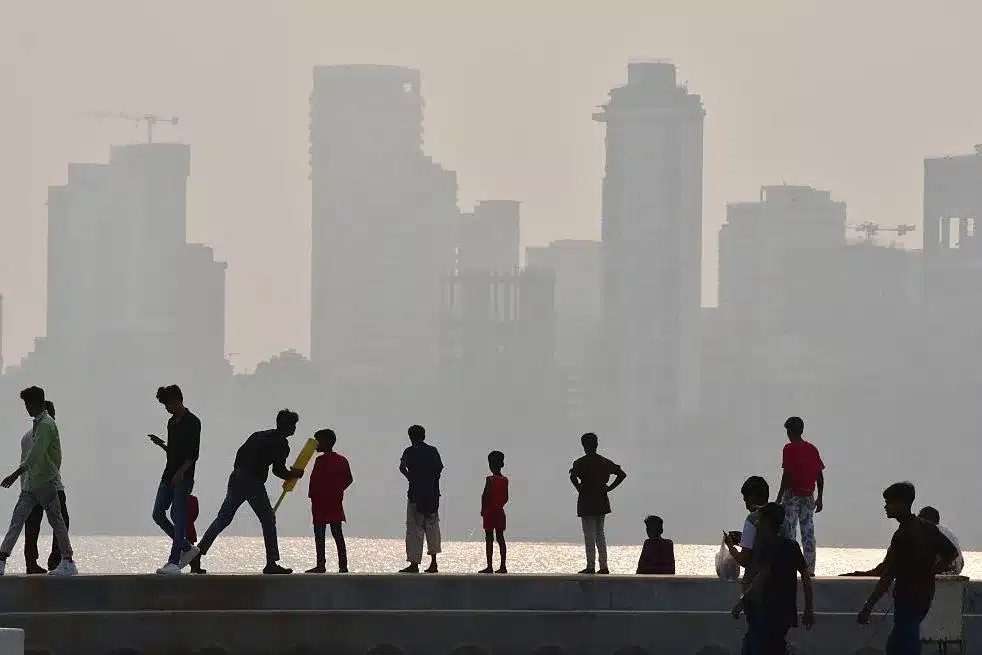
India is grappling with a significant decline in sunlight, according to a recent study conducted by a team of six Indian scientists. Over the past three decades, the country has experienced a steady reduction in sunshine hours, primarily due to factors such as clouds, aerosols, and local weather patterns. The research, published in the journal Scientific Reports, highlights that while most regions in India are affected, the northeast has seen only a slight seasonal improvement. This decline in sunlight is intricately linked to India’s ongoing air pollution crisis, which ranks the country among the top ten most polluted globally.
Declining Sunshine Hours Across India
The study analyzed data from 20 weather stations between 1988 and 2018, revealing a consistent decrease in sunshine hours across the nation. The most significant declines were noted in northern inland areas, particularly in cities like Amritsar and Kolkata, as well as along the Himalayan belt and the western coast, including Mumbai. While all nine geographical regions of India showed an overall annual decline, the rate varied significantly. Monthly assessments indicated that sunshine hours increased from October to May but sharply decreased from June to July in six of the nine regions. This seasonal fluctuation in sunlight is compounded by the country’s severe air pollution, which has been escalating since the 1990s due to rapid urbanization, industrial growth, and changes in land use.
The Impact of Air Pollution on Sunshine
During winter months, high levels of air pollution from smog, temperature inversions, and crop burning in the Indo-Gangetic plains contribute to the formation of light-scattering aerosols, which further diminish sunshine hours. These aerosols, which originate from various sources including dust and vehicle emissions, linger in the atmosphere long enough to impact sunlight, climate, and public health. The monsoon season, particularly from June to July, also sees a significant reduction in sunlight due to cloud cover, despite lower aerosol levels compared to winter. Researchers emphasize that the increased sunshine hours from October to May do not necessarily indicate cleaner air; rather, they reflect a higher number of cloud-free days.
Consequences for Solar Energy and Agriculture
The implications of declining sunlight are profound for India’s solar energy ambitions. Currently, solar energy constitutes 47% of the country’s renewable energy capacity, with a government goal of reaching 500GW of renewables by 2030. However, the reduction in sunlight could hinder these plans, as air pollution has been shown to decrease solar panel efficiency by 12-41%, resulting in an estimated loss of $245-835 million in power generation. Studies suggest that cleaner air could potentially increase India’s annual solar energy production by 6-28 terawatt hours, enough to power millions of homes for a year. Additionally, the agricultural sector is not immune to the effects of pollution, with crop yields, particularly for rice and wheat, suffering losses of 36-50% in the most polluted regions.
Global Context and Future Outlook
India is not alone in facing the challenges of reduced sunlight due to air pollution; similar trends have been observed globally. Research indicates that Europe experienced a decline in sunshine hours from 1970 to 2009, attributed to industrial emissions and cloud formation. However, stricter clean-air regulations in the 1990s led to a rebound in sunshine across the continent. China also saw a significant reduction in sunlight from the 1960s to the 2000s due to increased aerosol emissions from rapid industrialization. Despite these challenges, scientists note a gradual increase in sunlight reaching the Earth’s surface since the 1980s, a phenomenon known as global brightening. This trend, driven by decreasing aerosol levels and shifts in cloud patterns, offers a glimmer of hope. However, heavily polluted countries like India continue to face the risk of diminished sunlight, jeopardizing their energy and agricultural futures.
Observer Voice is the one stop site for National, International news, Sports, Editor’s Choice, Art/culture contents, Quotes and much more. We also cover historical contents. Historical contents includes World History, Indian History, and what happened today. The website also covers Entertainment across the India and World.
Follow Us on Twitter, Instagram, Facebook, & LinkedIn

