

Why the Way Concrete Is Mixed Matters More Than You Think

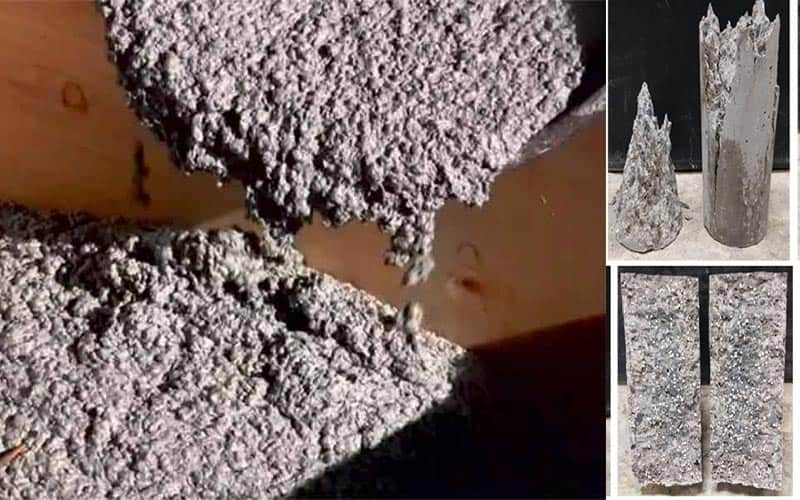
Concrete is everywhere. It is under your feet, in the walls of buildings, and beneath the roads you travel on every day. But not all concrete is the same, and the way it is mixed before it reaches a building site can make a huge difference to how well a structure holds up over time.
What Is Concrete, Exactly?
At its most basic, concrete is a mixture of cement, water, sand, and small stones called aggregate. When these ingredients are combined in the right amounts and left to set, they form one of the strongest and most versatile building materials on Earth.
The key phrase there is “right amounts.” Change the ratio of ingredients even slightly and you change what the concrete can do. A mix designed for a garden path, for example, is very different from one used to build a bridge foundation. Using the wrong type for the job can cause cracking, crumbling, or even structural failure over time.
Volumetric Mixing: A Newer Way of Doing Things
For most of the 20th century, concrete was mixed at a factory or depot and then driven to a site in a rotating drum lorry. This method works, but it has a significant drawback: the concrete begins to set from the moment it is mixed. If a lorry gets stuck in traffic or a job takes longer than expected, the concrete can become unusable before it even arrives.
Volumetric mixing solves this problem by carrying the dry ingredients and water separately on the same vehicle. The concrete is only mixed at the point of delivery, meaning it is always fresh when it arrives. The operator can also adjust the mix on site, so if a project needs a slightly stronger or weaker grade, it can be changed without waste.
This approach also means that only the exact amount needed is produced. Traditional pre-mixed deliveries often result in leftover concrete that has to be disposed of, which costs money and creates unnecessary waste.
Concrete Grades: Why They Matter
Concrete is graded by its compressive strength, which is a measure of how much pressure it can withstand before it cracks. In the UK, grades are given as C-numbers or GEN-numbers.
GEN 0 and GEN 1 are the weakest grades, used for things like filling trenches or laying hard-standing areas. GEN 3 and C20 are suitable for most domestic foundations and floor slabs. C25 and C30 are used in more demanding applications, such as commercial flooring and reinforced structures. C40 and above is reserved for heavy-duty industrial use, including piling and pre-cast beams.
Choosing the wrong grade is a common mistake among people doing their first building project. Too weak a mix and the structure may crack under load. Too strong a mix and money is wasted on performance that simply is not needed.
When you order concrete mix delivery, getting the grade right from the start is one of the most important steps in any construction job, large or small.
How Much Do You Actually Need?
Calculating the right volume of concrete is straightforward in theory. You multiply the length, width, and depth of the area you need to fill, which gives you a volume in cubic metres. In practice, though, factors like uneven ground, formwork that is not perfectly square, and absorption into the soil below can all affect how much you need.
Most experts recommend adding around 10% extra to your calculated figure as a buffer. Ordering too little is far more disruptive than ordering slightly too much, especially when a pour has to be completed in one continuous session to avoid weak joints in the finished slab.
Why Local Supply Makes a Difference
Fresh concrete is time-sensitive. The closer the supplier is to the site, the less time the material spends in transit and the better the quality of the finished product. For construction projects in rural or semi-rural areas, this can be a real challenge, as large national suppliers may not always serve smaller towns and villages.
Regional suppliers who understand local geography and road conditions can often offer faster, more flexible service. For projects across areas like East Anglia, where distances between towns can be significant, reliable concrete mix delivery from a nearby depot can save both time and money.
The Bigger Picture
Concrete production is responsible for a significant share of global carbon dioxide emissions, largely because of the energy needed to produce cement. Reducing waste through precise volumetric delivery is one practical way that the construction industry is working to lower its environmental impact without compromising on quality.
As more builders and developers become aware of these issues, the demand for suppliers who can offer exact quantities, correct grades, and minimal wastage is likely to keep growing.
Observer Voice is the one stop site for National, International news, Sports, Editor’s Choice, Art/culture contents, Quotes and much more. We also cover historical contents. Historical contents includes World History, Indian History, and what happened today. The website also covers Entertainment across the India and World.
Follow Us on Twitter, Instagram, Facebook, & LinkedIn

