

Why Crude Oil Prices Aren’t Surpassing $200: Iran and Gulf States Navigate Hormuz Blockade for Oil Transport

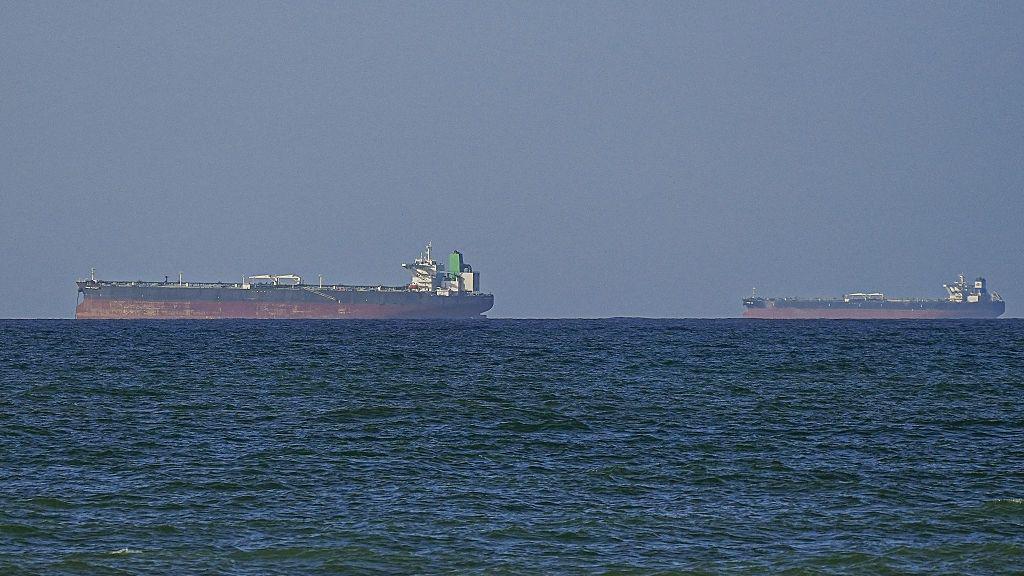
Oil prices have surged following Iran’s closure of the Strait of Hormuz and the subsequent U.S. naval blockade of Iranian ports. Despite these disruptions, crude oil prices have not reached the feared $200-a-barrel mark. Maritime intelligence firm TankerTrackers attributes this stabilization to the emergence of alternative shipping networks that continue to facilitate oil and cargo movement.
Dark Ship-to-Ship Transfers
TankerTrackers reported a significant increase in covert “dark” ship-to-ship transfers across the Middle East over the weekend. These operations involve vessels turning off their tracking systems to transfer cargo at sea, a method often linked to Iranian sanctions evasion. Notably, the recent transfers involve crude oil from Arab Gulf producers rather than Iran itself. TankerTrackers stated, “This weekend saw a lot of dark ship-to-ship transfers of oil in the Middle East. It’s not Iranian oil. Instead, this is oil coming from Iran’s Arab neighbors.” This activity has contributed to the stabilization of global oil supplies.
Alternative Trade Routes
The disruption began in March when Iran closed the Strait of Hormuz following U.S.-Israeli strikes and attacks on its regional allies. The situation escalated in April with the U.S. imposing a naval blockade on Iranian ports, prompting traders and regional exporters to seek new routes. Alongside oil transfers, Iran has increasingly utilized indirect trade corridors to maintain the flow of goods. Iraq’s Umm Qasr port has become a crucial alternative hub, with cargoes from the United Arab Emirates being shipped to Iraq on non-Iranian vessels before entering Iran by road or water.
Clandestine Shipments
Experts estimate that millions of barrels of oil continue to transit through the Strait of Hormuz via clandestine routes. These “ghost shipments” involve tankers disabling their tracking transponders to evade detection. Investment bank Piper Sandler reported that around 900,000 barrels per day were moved through such covert operations in May, with an additional 2.1 million barrels transported on vessels believed to have paid tolls to Iranian-linked entities. JPMorgan estimates that clandestine shipments reached approximately 2.1 million barrels per day during late May, indicating that significant volumes of crude and petroleum products are still navigating the Strait despite the blockade.
Market Implications
While the hidden flows have mitigated the immediate impact of the disruptions, some experts caution that the market may be underestimating the long-term effects. Commercial inventories are declining, and emergency reserves are being depleted. Piper Sandler forecasts that Brent crude will average $130 a barrel in the coming months, suggesting that the current stability may be temporary.
Observer Voice is the one stop site for National, International news, Sports, Editor’s Choice, Art/culture contents, Quotes and much more. We also cover historical contents. Historical contents includes World History, Indian History, and what happened today. The website also covers Entertainment across the India and World.
Follow Us on Twitter, Instagram, Facebook, & LinkedIn

