

India Set to Introduce Plastic Currency Notes: Understanding the Significance of This Move

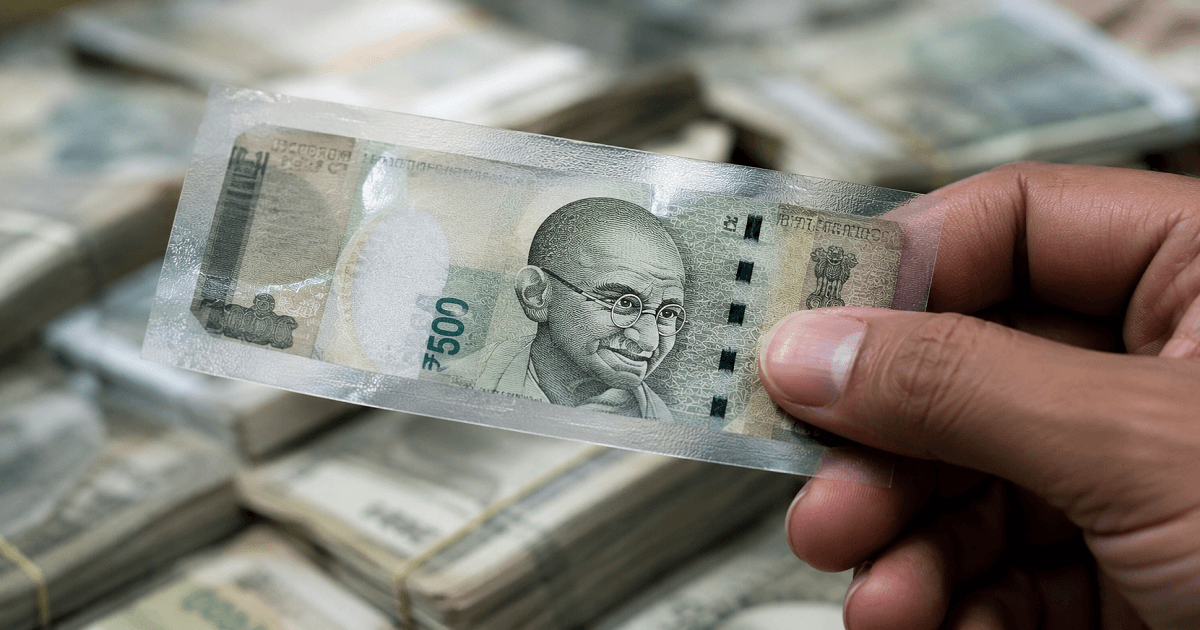
India is set to introduce plastic or polymer currency notes, marking a significant shift from traditional paper notes. The Reserve Bank of India (RBI) has received approval to print up to 2 billion polymer notes, comprising one billion each of ₹10 and ₹20 denominations. This initiative revives a project that was previously considered but ultimately shelved. The new notes will undergo field trials, while paper currency will continue to coexist as legal tender.
RBI has initiated the process by inviting global suppliers to provide polymer substrate sheets embedded with security features. The tender includes strict security requirements, such as government clearance and restrictions on operations linked to China and Pakistan. The RBI has emphasized that polymer notes have a longer lifespan compared to paper notes, which is crucial given the significant volume of soiled notes discarded in recent years.
Benefits of Polymer Notes
The introduction of polymer notes is expected to enhance security and reduce counterfeiting. Experts note that polymer banknotes are more durable and have a lower lifetime cost compared to paper notes. DK Srivastava, Chief Policy Advisor at EY India, highlighted that India’s humid climate contributes to the rapid soiling of paper currency. In the fiscal year 2025, India disposed of 24 billion soiled notes, nearly double the previous year’s figure.
Sujan Hajra, Chief Economist at Anand Rathi Group, pointed out that while the initial production cost of polymer notes may be higher, their longevity and reduced need for replacement can lead to overall cost savings. The RBI’s focus on introducing polymer notes in lower denominations, which experience higher circulation, is seen as a strategic move to maximize benefits.
Global Experiences with Polymer Notes
Australia was the first country to adopt polymer notes in 1988, and several nations, including Canada and the UK, have followed suit. Studies indicate that polymer notes can last significantly longer than paper notes, with estimates suggesting a lifespan increase of 2.5 times. In the UK, the introduction of polymer notes led to a substantial decrease in counterfeiting, with counterfeit £20 notes dropping from 197 per million to 68 after the rollout.
The Bank of England has reported that the carbon footprint of polymer notes is lower than that of paper notes, making them a more environmentally friendly option. Lessons from other countries emphasize the importance of a gradual rollout and the need for robust procurement processes to ensure quality.
Transition Challenges and Considerations
Experts caution that the transition to polymer notes must be gradual to avoid disruption. DK Srivastava noted the necessity of upgrading cash handling infrastructure, including ATMs and vending machines, to accommodate the new currency. Financial literacy will also play a crucial role in the successful adoption of polymer notes, as there may be confusion among the public during the transition period.
Sujan Hajra highlighted three factors that argue for a long transition: the scale of currency in circulation, the need for infrastructure recalibration, and the concentration of high-grade polymer substrate production among a few global manufacturers. While polymer notes are designed to be more secure, experts warn that counterfeiting remains a persistent challenge.
Observer Voice is the one stop site for National, International news, Sports, Editor’s Choice, Art/culture contents, Quotes and much more. We also cover historical contents. Historical contents includes World History, Indian History, and what happened today. The website also covers Entertainment across the India and World.

