

Challenges Ahead for Trump: Potential Failure of Sanctions Bill on Tariffs for Russian Oil Buyers in House Vote

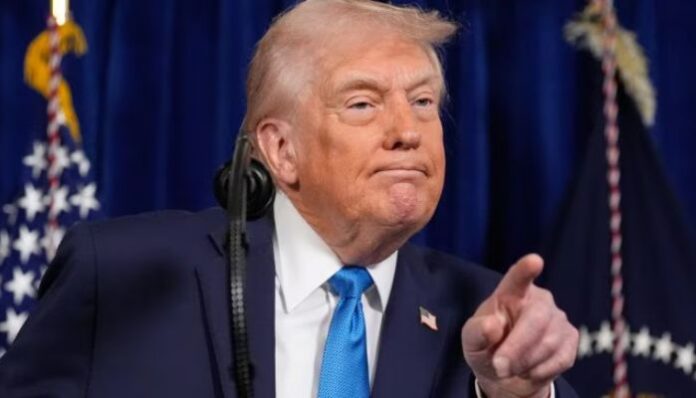
US President Donald Trump faces significant challenges in advancing a new bill aimed at imposing fresh sanctions on Russia and its trading partners. The proposed legislation seeks to sanction Russian officials and authorize tariffs of up to 100% on the five largest importers of Russian crude oil and natural gas, as well as on countries that facilitate Russia’s efforts to evade US sanctions amid its ongoing war in Ukraine.
The bill, championed by the late Senator Lindsey Graham, is encountering resistance in Congress. Both Democrats and some Republicans have expressed concerns over provisions that would grant Trump extensive new tariff powers.
Concerns Over Expanded Tariff Powers
Lawmakers from both parties, along with industry trade groups, are wary of a section in the legislation that would enable Trump to impose significant tariffs on nations purchasing large volumes of Russian oil and gas or those aiding Russia in evading sanctions. While the bill does not specify these countries, potential targets may include China, India, and certain European nations.
Graham had advocated for this measure for over a year and recently secured Trump’s support as the president’s stance on Ukraine became more favorable. The tariff provisions gained urgency after the US Supreme Court invalidated Trump’s previous “reciprocal” tariffs, prompting the administration to seek alternative legal avenues for imposing trade measures.
Legislative Hurdles Ahead
The bill has received strong bipartisan support in procedural votes in the Senate, with lawmakers honoring Graham’s legacy. Congressional aides indicate that the full Senate may approve the bill before the upcoming recess. However, the House of Representatives, currently in recess until August 31, presents a more challenging environment for the legislation.
Opposition has emerged from senior Democrats, including Senator Ron Wyden and Representative Richard Neal, who argue that the bill could grant Trump excessive tariff powers, potentially leading to increased inflation. They stated that while stronger actions against Russian energy purchasers are necessary, the current draft could lead to chaos and higher tariffs.
Implications for Future Sanctions
Experts in sanctions and trade warn that the legislation could set a new precedent by allowing future presidents to impose secondary tariffs targeting entire countries, rather than just individuals or entities. Although the bill includes a five-year expiration for these powers, experts note that governments rarely relinquish authority once granted.
Supporters argue that the sunset provision sufficiently limits the tariff authority while enabling the US to curb Russia’s energy revenues. However, critics, including former government officials, caution that such broad powers could disrupt entire bilateral trade relationships.
Observer Voice is the one stop site for National, International news, Sports, Editor’s Choice, Art/culture contents, Quotes and much more. We also cover historical contents. Historical contents includes World History, Indian History, and what happened today. The website also covers Entertainment across the India and World.

