

US Retail Sales Increase by 0.6% in February Amid Concerns Over Iran War Impacting Consumer Spending

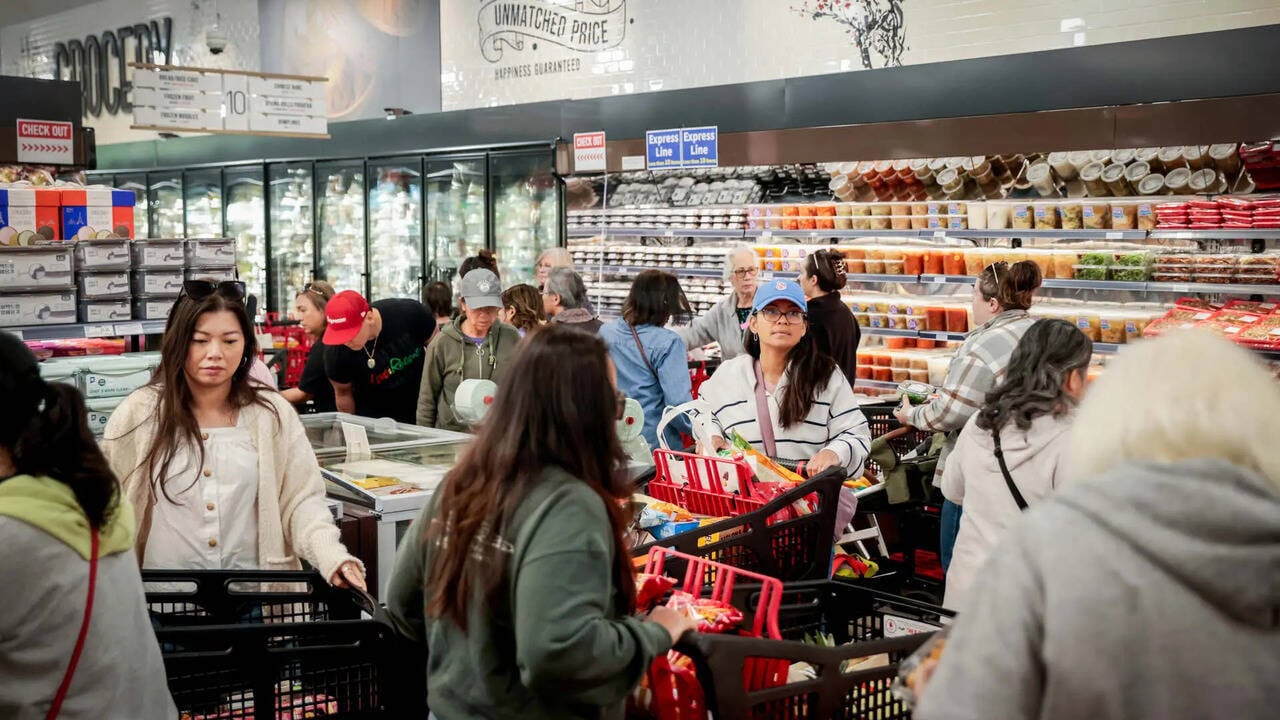
US retail sales experienced a notable increase of 0.6 percent in February, rebounding from a slight decline in January. This rise comes amid cautious consumer behavior and the looming threat of rising fuel prices due to the ongoing conflict in Iran. While the data from the Commerce Department indicates a positive shift in retail activity, concerns remain about how escalating energy costs may impact consumer spending in the months ahead.
February Retail Sales Overview
The latest figures from the Commerce Department reveal that retail sales bounced back in February, recovering from a 0.1 percent drop in January. This increase surpassed economists’ expectations, suggesting a resilient consumer base despite the challenges posed by rising energy prices. Notably, sales in various categories showed mixed results. Clothing and accessories stores saw a robust 2 percent increase, while electronics and appliance retailers experienced a modest 0.5 percent rise. Additionally, online retail sales grew by 0.7 percent, indicating a shift in consumer purchasing habits. However, the data does not encompass services such as travel and hotels, with restaurant spending being the only service category included, which rose by 0.4 percent.
Impact of Rising Fuel Prices
The ongoing conflict in Iran, which began on February 28, has significantly disrupted global oil supplies, particularly affecting the Strait of Hormuz, a crucial passage for oil transport. As a result, gasoline prices surged past USD 4 per gallon for the first time since 2022, reaching a national average of USD 4.06. This increase is approximately USD 1 higher than pre-conflict levels. Diesel prices have risen even more sharply, contributing to heightened transportation costs for businesses and exacerbating inflationary pressures. Economists warn that these rising fuel costs could overshadow the anticipated boost in consumer spending from higher tax refunds, which are expected to diminish by late April.
Economic Concerns and Predictions
Economists are increasingly concerned about the potential impact of rising fuel prices on consumer spending, particularly for lower-income households. Samuel Tombs, chief economist at Pantheon Economics, noted that the increase in gas prices disproportionately affects these households, while the benefits from tax refunds are more evenly distributed. He estimated that higher fuel prices could reduce real household incomes by approximately USD 15 billion per month. Patrick De Haan, an analyst at GasBuddy, highlighted that gas prices are nearing 3 percent of median household income, a threshold that could lead consumers to cut back on discretionary spending. He indicated that if this figure rises to around 4 to 5 percent, significant reductions in discretionary purchases are likely.
Retailers’ Responses to Economic Shifts
Retailers are beginning to express concerns about the potential effects of rising energy costs on consumer behavior. Daniel Erver, CEO of Hennes & Mauritz, stated that these costs are expected to have a significant impact on how consumers shop. Meanwhile, Darren Rebelez, CEO of Casey’s General Store, suggested that a drastic reduction in spending is unlikely unless gasoline prices approach USD 5 per gallon. As the situation evolves, both consumers and retailers are bracing for the implications of fluctuating fuel prices on the broader economy.
Observer Voice is the one stop site for National, International news, Sports, Editor’s Choice, Art/culture contents, Quotes and much more. We also cover historical contents. Historical contents includes World History, Indian History, and what happened today. The website also covers Entertainment across the India and World.
Follow Us on Twitter, Instagram, Facebook, & LinkedIn

