

US Relaxes Venezuela Oil Sanctions in Response to Iran Conflict

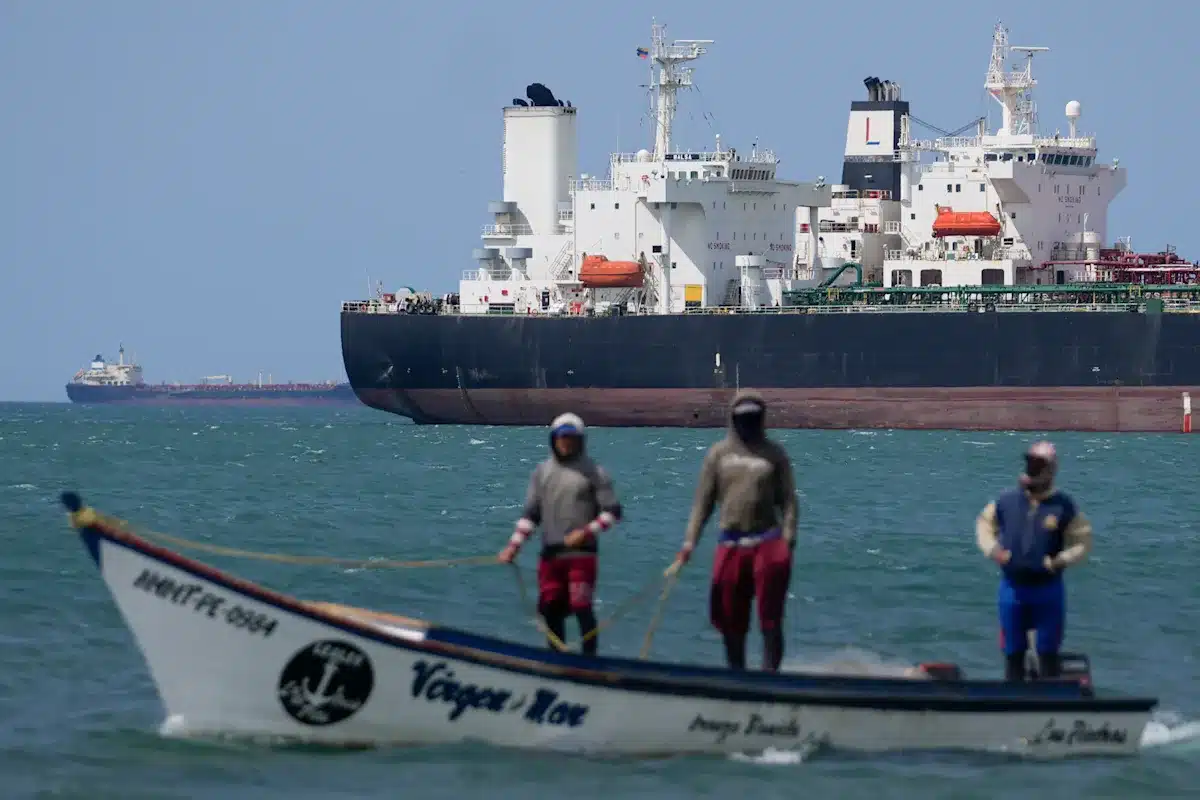
The United States has taken a significant step by easing sanctions on Venezuela’s state-owned oil sector, allowing American companies to engage in limited business with Petróleos de Venezuela S.A. (PDVSA). This policy shift comes as the Trump administration seeks to address rising global oil prices amid ongoing military operations against Iran. The U.S. Treasury Department has issued a license that permits PDVSA to sell Venezuelan crude to U.S. companies and in international markets, marking a notable change after years of restrictions.
New License for Oil Trade
The U.S. Treasury’s recent license allows PDVSA to sell Venezuelan crude directly to American companies and in global markets. This move is seen as a response to the increasing pressure on the administration to manage rising oil prices. The license is designed to stimulate new investment in Venezuela’s energy sector while also increasing the availability of crude oil worldwide. However, it does not completely lift sanctions; companies can only purchase Venezuelan crude if they were operational before January 29, 2025. Financial transactions must be routed through U.S.-controlled accounts, ensuring that while oil trade can resume, financial flows remain under American oversight.
Impact of the Jones Act Waiver
In a related development, the White House announced a temporary waiver of the Jones Act for 60 days. This law, established in the 1920s, mandates that goods shipped between U.S. ports be transported on U.S.-flagged vessels. Critics have often pointed out that this regulation contributes to higher fuel costs. The waiver aims to alleviate short-term disruptions in the oil market caused by the ongoing conflict with Iran. White House press secretary Karoline Leavitt emphasized that this measure would facilitate the flow of essential resources, including oil, natural gas, fertilizer, and coal, to U.S. ports.
Economic Context in Venezuela
Venezuela, which holds the world’s largest proven oil reserves, has seen its economy severely impacted by years of corruption, policy mismanagement, and U.S. sanctions. Oil production has plummeted from approximately 3.5 million barrels per day in 1999 to less than 400,000 barrels per day in 2020. The economic situation remains dire, with inflation soaring to 475%, making basic necessities unaffordable for many households. Public-sector workers earn an average of $160 per month, while private-sector wages average around $237, according to the Venezuelan central bank. The easing of sanctions is expected to provide a much-needed boost to the oil-dependent economy, but concerns persist regarding the potential benefits to political leaders aligned with Nicolás Maduro.
Future Considerations
While the new measures may open trade channels for Venezuela’s oil, they come with strict limitations. Transactions involving countries like Russia, Iran, North Korea, Cuba, and certain Chinese entities are prohibited, as are dealings related to Venezuelan sovereign debt or bonds. Payments in gold or cryptocurrency, including the petro token introduced by Caracas in 2018, are also not allowed. Analysts believe that these restrictions will reassure companies hesitant to invest in Venezuela, but critics warn that the policy could inadvertently support the Maduro regime amid ongoing human rights concerns. The Trump administration’s phased plan aims to stabilize Venezuela, but the effectiveness of these measures remains to be seen.
Observer Voice is the one stop site for National, International news, Sports, Editor’s Choice, Art/culture contents, Quotes and much more. We also cover historical contents. Historical contents includes World History, Indian History, and what happened today. The website also covers Entertainment across the India and World.
Follow Us on Twitter, Instagram, Facebook, & LinkedIn

