

US-China Trade War: Analyzing Trump’s Tariff Strategy and Beijing’s Response

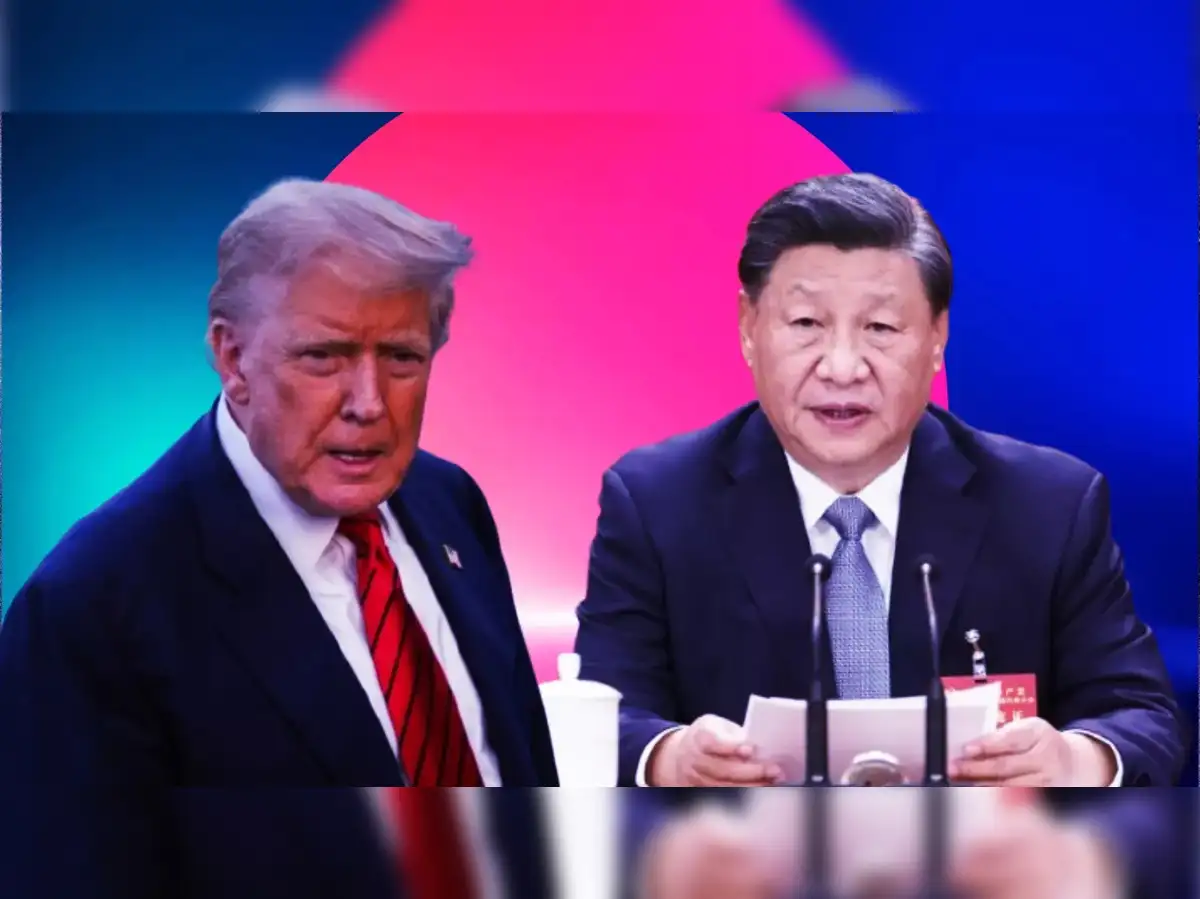
The trade tensions between the United States and China have reignited, revealing the persistent divide and mistrust between the two economic powerhouses. Following a brief period of relative calm, the conflict escalated over China’s recent export controls on rare earth metals, crucial for various high-tech industries. Both nations have exchanged accusations of provocation and unfair trade practices, signaling a potential return to a more hostile economic environment.
China’s Export Controls Spark Tensions
The latest round of trade hostilities began when China implemented stringent new export controls on rare earth metals, which are vital for the production of semiconductors, electric vehicles, and defense technologies. The Chinese government characterized these measures as necessary for national security. However, many observers interpreted them as a retaliatory response to the United States’ increasing restrictions on Chinese technology firms. Under the new regulations, any company, whether domestic or foreign, must obtain approval from Beijing before exporting products that contain more than 0.1% rare earth content by value. Additionally, China expanded its list of restricted materials and prohibited the export of rare earths for military applications. As the world’s leading supplier of rare earths, controlling approximately 90% of the market, China also introduced additional port fees for U.S. vessels starting October 14 and initiated an antitrust investigation into the American chipmaker Qualcomm, indicating a broader strategy of retaliation.
U.S. Response: Tariffs and Market Reactions
The U.S. response to China’s actions was swift and severe. President Donald Trump expressed that he was “blindsided” by the announcement, especially given the recent positive tone in U.S.-China relations. In retaliation, Trump declared a 100% tariff on a range of Chinese goods, effective November 1, which would increase the overall tariff rate on Chinese imports to approximately 130%. The U.S. administration justified this move as a necessary reaction to China’s “extraordinarily aggressive” export restrictions on rare earth minerals. Trump’s announcement sent shockwaves through the financial markets, resulting in Wall Street’s worst single-day performance in six months, as investors reacted to the renewed uncertainty surrounding U.S.-China trade relations.
China’s Counterattack and Diplomatic Standoff
In response to the U.S. tariffs, China’s Ministry of Commerce quickly condemned Washington’s actions, accusing it of employing “double standards” and misusing national security as a pretext for unilateral export restrictions. The ministry highlighted that the U.S. export control list encompasses over 3,000 items, compared to around 900 on China’s list. It warned that threatening high tariffs is not an effective strategy for engaging with China. The ministry reiterated that while China does not desire a trade war, it is prepared to defend its interests if provoked further. This exchange of accusations underscores the escalating tensions and the difficulty both nations face in navigating their complex economic relationship.
The Broader Implications for Global Trade
Experts suggest that China is leveraging its dominance in rare earths to gain concessions not only in trade but also in critical areas such as Taiwan, advanced semiconductor technology, and artificial intelligence development. The recent tensions have raised concerns about the potential for a full-blown trade war, which could disrupt global supply chains and undermine investor confidence. As both nations prepare for their next scheduled meeting in South Korea, the future of their economic relationship remains uncertain. Trump has hinted that the summit may be canceled due to the renewed hostilities. The ongoing conflict highlights the intricate balance of power and the stakes involved in U.S.-China relations, with both sides standing firm on their positions.
Observer Voice is the one stop site for National, International news, Sports, Editor’s Choice, Art/culture contents, Quotes and much more. We also cover historical contents. Historical contents includes World History, Indian History, and what happened today. The website also covers Entertainment across the India and World.
Follow Us on Twitter, Instagram, Facebook, & LinkedIn

