

US-China Soybean Trade Set to Restart

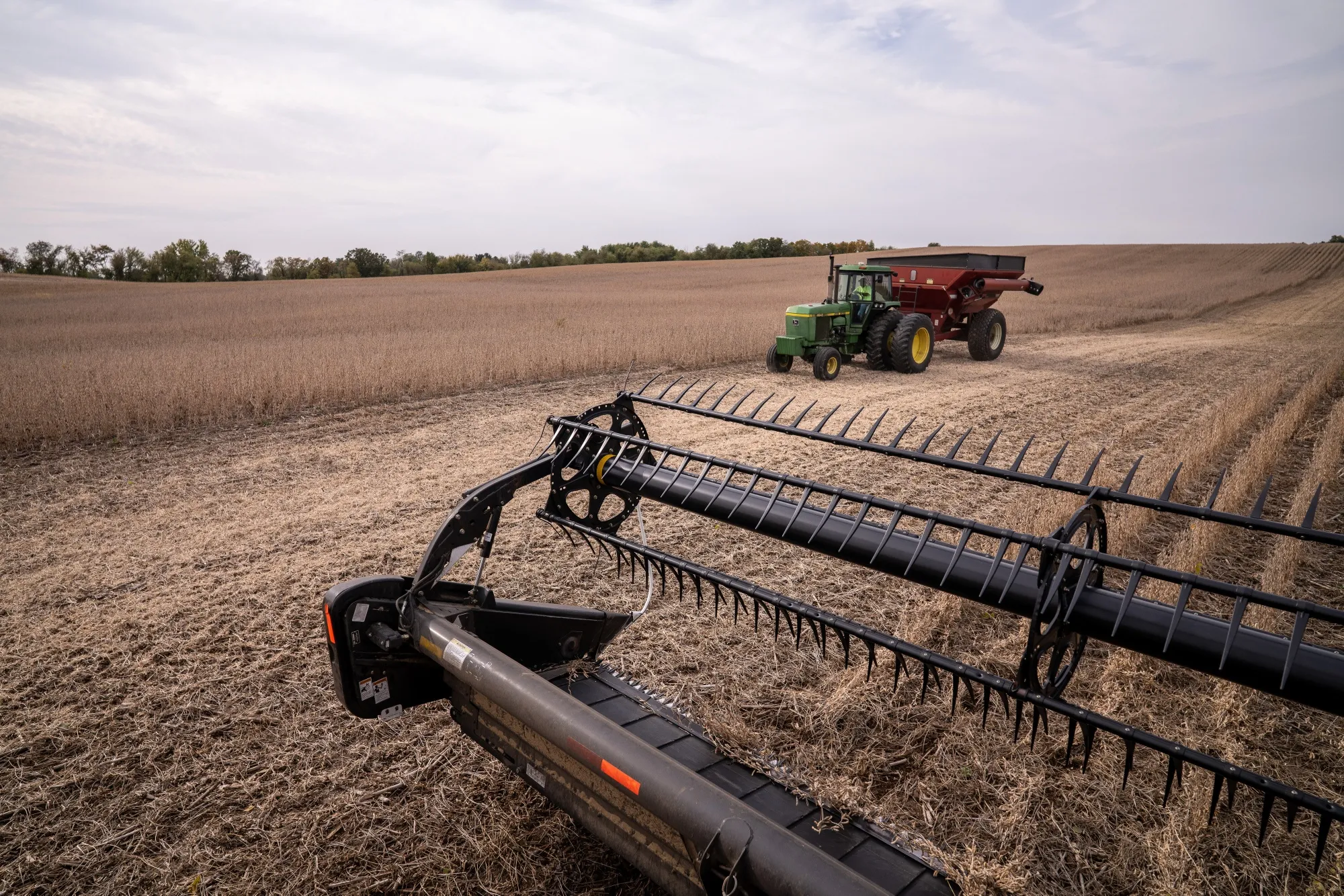
Soybean trade between the United States and China is set to resume after a prolonged halt due to tariff disputes. China has agreed to purchase 12 million metric tonnes of American soybeans by January, a significant reduction from the 22.5 million tonnes bought in the previous season. This agreement, confirmed by U.S. Treasury Secretary Scott Bessent, follows discussions between President Donald Trump and Chinese President Xi Jinping and marks a hopeful return to normalcy for U.S. farmers who have faced substantial losses during the trade tensions.
Resumption of Trade and Future Commitments
The recent agreement between the U.S. and China signifies a pivotal moment in their trade relationship. China has committed to buying 12 million metric tonnes of soybeans from the U.S. during the current season, which runs until January. This figure, while a positive step, remains significantly lower than the previous year’s purchases. In addition to the immediate agreement, China has pledged to purchase 25 million tonnes annually over the next three years as part of a broader trade deal. This commitment was reached following high-level talks between the two nations, indicating a potential thaw in relations that have been strained by tariffs and trade barriers.
U.S. Treasury Secretary Scott Bessent highlighted the importance of this agreement, stating that it would provide much-needed relief to American farmers who have been adversely affected by the trade war. The deal is expected to be formally signed soon, following negotiations that took place in Malaysia. The resumption of soybean purchases from China is crucial for U.S. farmers, who have seen their sales plummet due to the ongoing trade tensions.
Impact on U.S. Farmers and Market Reactions
The renewed trade agreement has been met with optimism among American farmers, who have suffered significant financial losses due to the previous halt in soybean exports. The American Soybean Association expressed that this agreement is a meaningful step towards reestablishing a stable trading relationship that benefits farm families. U.S. farmers are nearing the completion of what is anticipated to be one of the largest soybean harvests on record. However, they continue to face challenges, including rising costs for essential farming inputs like fertilizer and labor.
Market reactions to the announcement have been positive, with soybean prices on the Chicago Board of Trade rising to a 15-month high. The most-active soybean contract saw a 1.2% increase, reflecting renewed optimism about Chinese demand. Additionally, export prices for U.S. soybeans have surged, driven by expectations of increased purchases from China. This resurgence in demand is crucial for U.S. farmers, who are eager to regain their footing in the global market.
China’s Diversification of Soybean Sources
While the agreement marks a return to previous trading levels, analysts caution that it does not necessarily indicate an expansion of trade. China, the world’s largest soybean importer, has diversified its sources in recent years, shifting towards South American suppliers due to high tariffs on U.S. soybeans. In 2024, only 20% of China’s soybean imports are expected to come from the U.S., a significant drop from 41% in 2016. This shift highlights the challenges that U.S. farmers face in regaining their market share.
Experts suggest that the success of the recent agreement will depend on whether tariffs on U.S. soybeans are reduced or eliminated. If the current 20% tariff remains in place, it may deter Chinese buyers from purchasing American soybeans. The future of U.S.-China soybean trade will hinge on ongoing negotiations and the willingness of both nations to foster a more cooperative trading environment.
Looking Ahead: The Future of U.S.-China Trade Relations
As the U.S. and China navigate their trade relationship, the recent soybean agreement represents a critical step towards rebuilding trust and stability. The commitment from China to purchase a significant amount of soybeans over the next few years signals a potential shift in the dynamics of agricultural trade. However, the path forward remains uncertain, with factors such as tariffs and global market conditions playing a crucial role.
Farmers and industry leaders are hopeful that this agreement will pave the way for a more predictable trading environment. The American Farm Bureau Federation emphasized the importance of expanding markets and restoring purchases by China to provide certainty for struggling farmers. As negotiations continue, the agricultural sector will be closely monitoring developments to ensure that U.S. farmers can thrive in an increasingly competitive global market.
Observer Voice is the one stop site for National, International news, Sports, Editor’s Choice, Art/culture contents, Quotes and much more. We also cover historical contents. Historical contents includes World History, Indian History, and what happened today. The website also covers Entertainment across the India and World.
Follow Us on Twitter, Instagram, Facebook, & LinkedIn

