

US-China Relations: Beijing’s Soybean Stockpiles Rise Following Trump-Xi Meeting, But Challenges Remain for Washington

Bangladesh companies have recently finalized a significant deal to purchase $1 billion worth of soybeans from the United States. This agreement comes amidst a backdrop of fluctuating global soybean markets, where China’s extensive soybean stocks and cheaper South American alternatives have impacted demand for U.S. exports. Despite commitments made during high-level trade discussions between U.S. and Chinese leaders, the actual purchasing activity from China remains subdued, raising questions about the future of U.S. soybean exports.
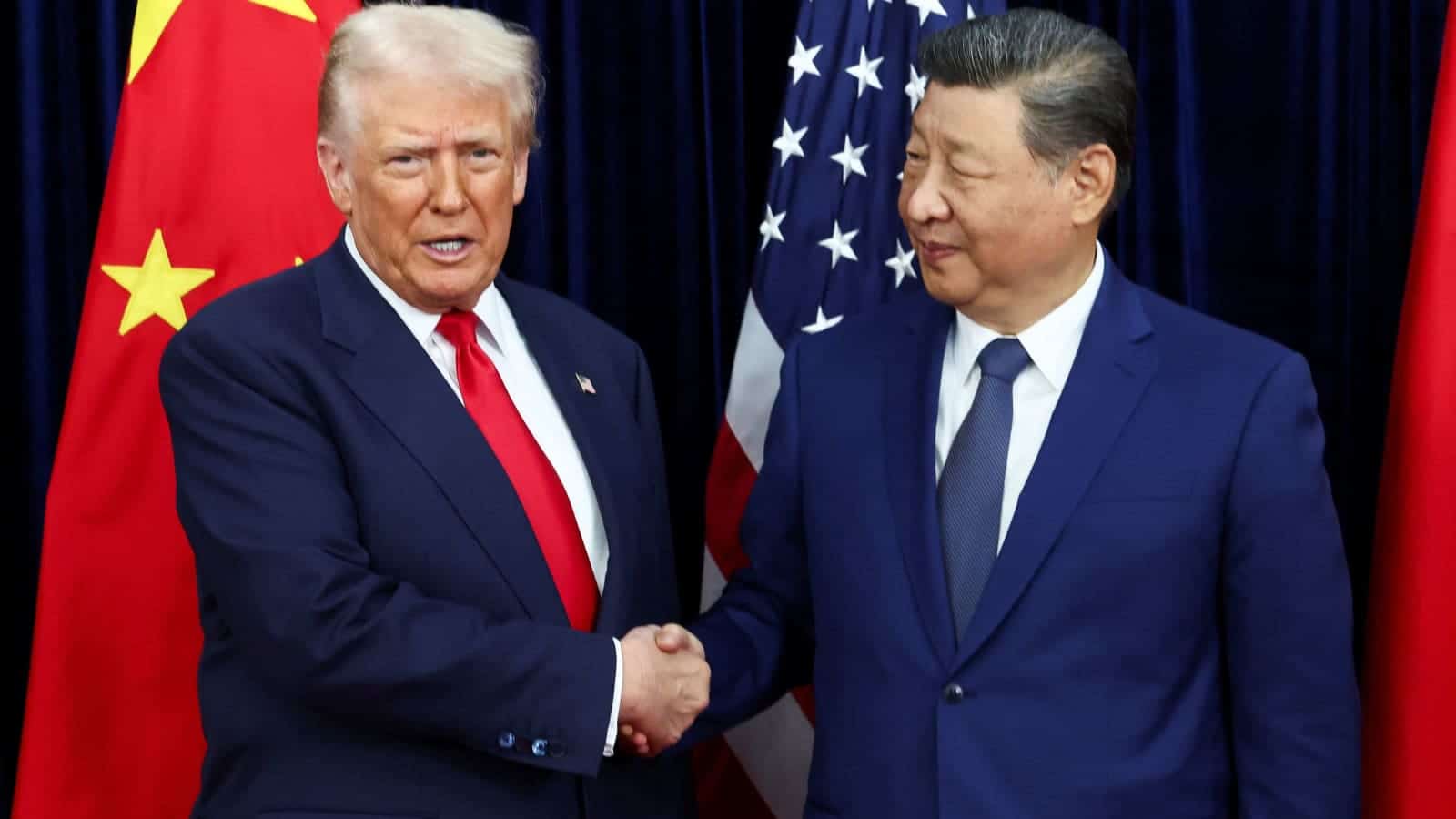
In a recent meeting between U.S. President Donald Trump and Chinese President Xi Jinping, U.S. officials announced that China had agreed to purchase 12 million tonnes of soybeans by the end of the year, with an annual commitment of 25 million tonnes for the next three years. However, these figures have not been publicly confirmed by Beijing. Market participants note that state-owned trader COFCO has only secured a limited number of shipments for December and January, indicating a cautious approach to fulfilling these commitments. Johnny Xiang, founder of AgRadar Consulting, suggests that state firms may be waiting for improved profit margins before making larger purchases, as current margins remain negative due to cheaper Brazilian soybeans.
Record Soybean Stocks in China
China’s soybean inventory has reached unprecedented levels, largely due to an early-year rush to secure supplies from South America amid trade tensions. As of November 7, port stocks stood at a record 10.3 million tonnes, a significant increase from the previous year. Additionally, crushers, which process soybeans into oil and meal, are holding 7.5 million tonnes, the highest level since 2017. This oversupply has led to a decline in prices, with soymeal prices dropping over 20% since April. Currently, soymeal is priced around 3,000 yuan ($421) per tonne in major coastal regions. The negative profit margins for crushers, which have persisted since mid-year, indicate a challenging market environment, with analysts predicting little improvement in the near future.
Slow Purchasing Activity from State Importers
Despite expectations that China’s state-owned importers, such as COFCO and Sinograin, would quickly increase their soybean purchases following the trade talks, this has not materialized. U.S. officials are keen on ensuring that China adheres to its purchasing commitments, with one official stating that the administration expects compliance from trading partners. Current estimates suggest that China’s state stockpiles range between 40 million and 45 million tonnes, which is approximately double last year’s U.S. imports and sufficient to meet five months of early-year consumption. Meanwhile, private importers are leaning towards Brazilian soybeans, which are more competitively priced than U.S. shipments. January cargoes from Brazil are quoted at around $480 per tonne, compared to $540-$550 for U.S. soybeans. As the market stands, there is little indication that state buyers are prepared to fulfill the ambitious purchasing targets set during the trade discussions.
Observer Voice is the one stop site for National, International news, Sports, Editor’s Choice, Art/culture contents, Quotes and much more. We also cover historical contents. Historical contents includes World History, Indian History, and what happened today. The website also covers Entertainment across the India and World.

