

Understanding RBI’s Draft Mis-Selling Rules: Implications for Your Financial Investments

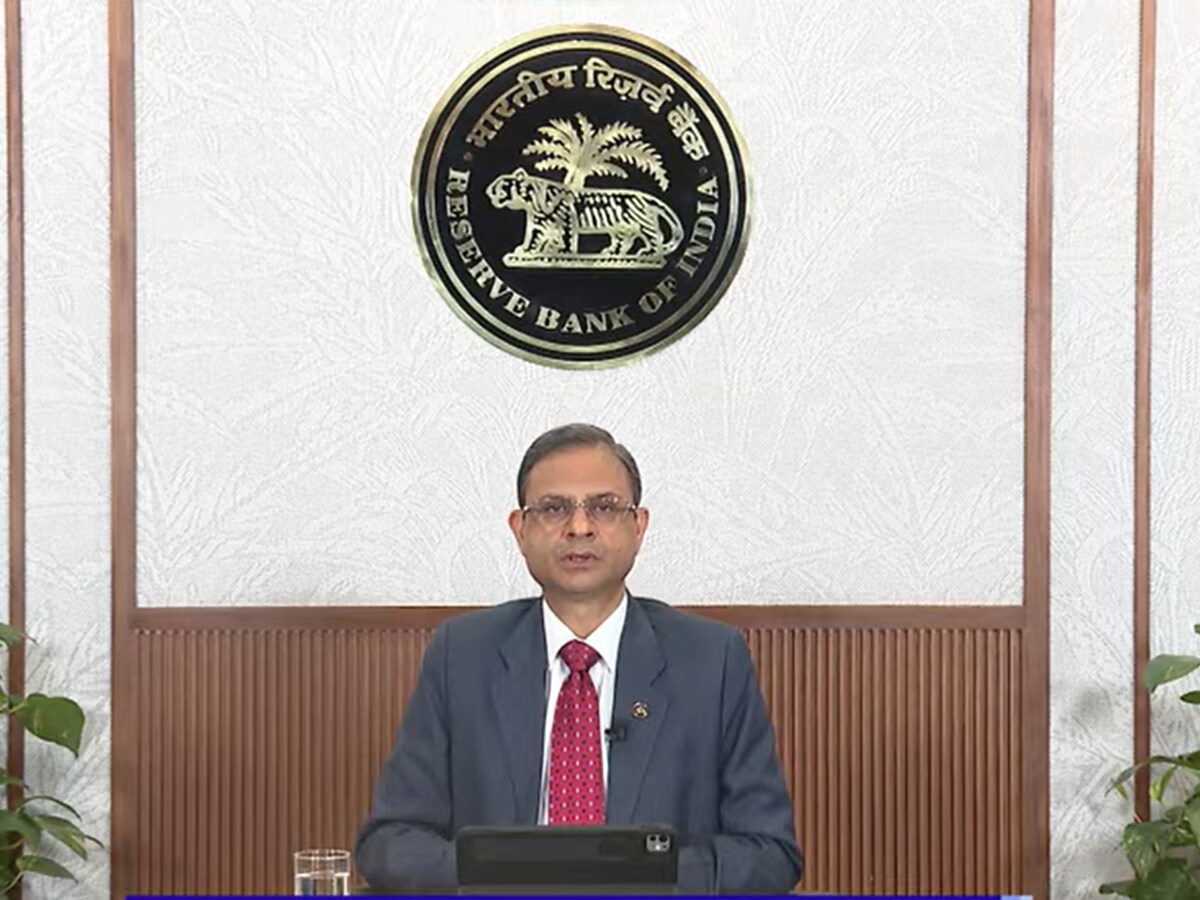
The Reserve Bank of India (RBI) has unveiled a draft proposal aimed at transforming the way banks and financial institutions market and sell financial products, including insurance, loans, and mutual funds. Issued on February 11, 2026, the “All India Financial Institutions — Responsible Business Conduct Amendment Directions, 2026” seeks to tackle the pervasive issue of mis-selling in retail finance. This initiative, which is open for public comments and set to take effect on July 1, 2026, if finalized, could significantly impact customer interactions with financial institutions.
Understanding Mis-Selling and Its Redefinition
The RBI’s draft introduces a comprehensive definition of mis-selling for the first time. According to Clause 3A, a financial institution is deemed to have mis-sold a product if it sells something unsuitable for a customer’s profile, provides misleading information, completes a sale without explicit consent, or bundles additional products with a requested service. Notably, the proposal emphasizes that customer consent will not protect institutions if the product is inappropriate based on the customer’s age, income, financial literacy, or risk tolerance. This shift in responsibility from customer consent to the suitability of products sold marks a significant change in the regulatory landscape.
Changes to Sales Interactions and Customer Engagement
The draft places a strong emphasis on suitability assessments before any product sale. Clause 32ZF mandates that institutions evaluate whether a product aligns with the customer’s financial profile before marketing it. This requirement could lead to more structured conversations between customers and financial representatives, making profiling an integral part of the sales process. Additionally, Clause 32ZL outlines new rules for sales outreach, including restrictions on contact hours for agents and the necessity for clear explanations of terms and conditions prior to completing a sale. Misleading or coercive practices are explicitly prohibited, and agents must disclose any differences in fees when purchasing through them versus directly from the institution.
While these changes aim to enhance transparency and customer protection, experts caution that immediate improvements may not be evident. Financial planner Rohit Shah noted that the transition from regulation to practice often takes time. However, Shruti Ladwa from EY India highlighted that these changes could foster more advisory-based conversations, ultimately building trust between customers and financial institutions.
Explicit Consent Rules and Customer Responsibilities
The draft also introduces stringent requirements for obtaining customer consent. Under Clauses 32ZD and 32ZE, consent must be obtained separately for each product, and institutions cannot bundle approvals into a single checkbox. Customers must navigate terms and conditions before granting consent, and promotional communications can only be sent with explicit permission. This shift aims to empower customers and reduce unsolicited outreach, enhancing their control over financial interactions.
Experts believe that these changes will encourage customers to take a more active role in their financial decisions. Financial Services Risk Advisory Leader Vivek Iyer emphasized that the opt-in requirement addresses a long-standing gap in customer awareness. He noted that clearer communication strategies could lead to better-informed customers, ultimately benefiting the financial services ecosystem.
Potential Impact on Financial Institutions and Insurance Distribution
The proposed framework may also affect the revenue models of banks and financial institutions, particularly regarding the distribution of third-party products. The draft includes provisions for mandatory suitability assessments, a prohibition on aggressive sales incentives, and restrictions on bundling products. While these changes could initially pressure fee income, experts believe that a shift towards understanding customer needs may lead to better long-term outcomes.
In the realm of bancassurance, the draft’s provisions could reshape how insurance products are marketed through banks. Customers will no longer be compelled to purchase third-party products alongside other services, and institutions cannot misrepresent third-party products as their own. Although these changes may create short-term challenges, industry leaders believe that adapting to a more transparent and customer-centric approach will ultimately strengthen the market.
As the RBI’s draft remains open for consultation, stakeholders are encouraged to provide feedback. If implemented, these regulations could signify a pivotal shift in how financial products are presented and sold, prioritizing customer protection and ethical conduct in the financial services sector.
Observer Voice is the one stop site for National, International news, Sports, Editor’s Choice, Art/culture contents, Quotes and much more. We also cover historical contents. Historical contents includes World History, Indian History, and what happened today. The website also covers Entertainment across the India and World.
Follow Us on Twitter, Instagram, Facebook, & LinkedIn

