

Tongue Cancer: Symptoms, Causes, and the HPV Connection

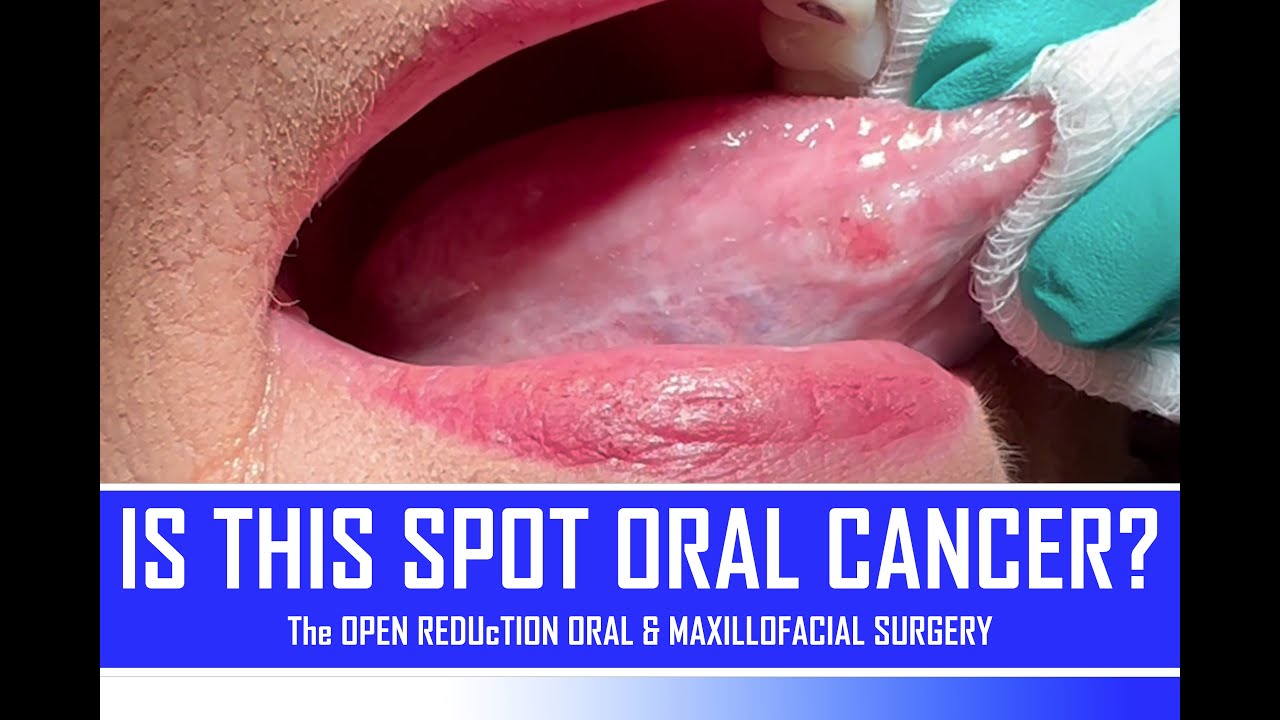
When 48-year-old Sarah, a never-smoker, discovered a persistent ulcer on the left side of her tongue that wouldn’t heal after four weeks, she initially dismissed it as a canker sore from accidentally biting her tongue. But when the sore began bleeding easily and pain radiated to her ear, biopsy revealed oral tongue squamous cell carcinoma. “I thought tongue cancer only happened to smokers,” Sarah recalled. “My oncologist explained that while tobacco remains the main cause for oral tongue cancer, HPV is now driving an epidemic of base-of-tongue cancers in non-smokers.” Tongue cancer is relatively rare, representing nearly 1 percent of newly diagnosed cancer cases in the United States. However, it’s one of the more frequently diagnosed forms of head and neck cancer. In 2023, about 18,040 people in the United States are expected to be diagnosed with tongue cancer, and 2,940 people are expected to die from it. Most tongue cancer develops from the flat squamous cells that line the surface of the tongue. In 2026, it is estimated that there will be 20,420 new cases of tongue cancer and an estimated 3,560 people will die of this disease. Tongue cancer is more common in men than women. Tobacco use, heavy alcohol use, and infection with human papillomavirus (HPV), especially HPV 16, are associated with this cancer City of HopeSEER Cancer Statistics. Understanding tongue cancer requires recognizing that “tongue cancer” actually encompasses two distinct diseases with different causes, risk factors, and prognoses—oral tongue cancer versus base-of-tongue cancer.
Two Types of Tongue Cancer: Location Changes Everything
The tongue divides anatomically into two regions with profoundly different cancer characteristics. The oral cavity includes the front two-thirds of the tongue. The oropharynx includes the palatine and lingual tonsils, the back one-third base of the tongue, the soft palate, and the posterior pharyngeal wall. Cancer that begins in the front two-thirds of the tongue, or the part you can “stick out”, is a type of oral cavity cancer. When the cancer begins in the back of the tongue, it is considered a type of oropharyngeal or throat cancer CDCSEER Cancer Statistics. Oral tongue cancer (anterior two-thirds—the mobile portion you can stick out) typically affects the edges or undersurface. These cancers are usually visible during routine dental exams or self-examination. Patients often notice them early as persistent sores, white/red patches, or unexplained pain. Oral tongue tumors are often noticed by patients or by their dentists or primary care physicians. Therefore, patients with oral tongue tumors may receive treatment in earlier stages than those with base-of-tongue cancers City of Hope. The early detection advantage translates to better survival rates. Base-of-tongue cancer (posterior one-third—attached to mouth floor, not visible in mirror) develops in oropharynx. These tumors remain hidden until advanced stages, often discovered only when neck lymph nodes enlarge or symptoms like persistent sore throat, ear pain, or difficulty swallowing emerge. Three- and 5-year overall survival of the two groups were 65.0%, 51.0% for oral tongue cancer and 40.0%, 28.0% for base of tongue cancer, respectively. For the two groups, 3- and 5-year disease-specific survival were 61.0%, 46.0% for oral tongue cancer and 38.0%, 26.0% for base of tongue cancer, respectively. The oral tongue cancer patients had a better prognosis than base of tongue cancer patients PubMed Central. The survival disparity reflects both delayed diagnosis and richer lymphatic drainage in base of tongue, facilitating early spread to neck lymph nodes.
The Classic Causes: Tobacco and Alcohol
For oral tongue cancer specifically, tobacco and alcohol remain primary culprits. Tobacco—whether smoked (cigarettes, cigars, pipes) or smokeless (chewing tobacco, snuff)—delivers carcinogens directly to tongue tissue. Smokeless tobacco users face particularly high oral tongue cancer risk because tobacco sits against oral mucosa for prolonged periods, creating chronic irritation and DNA damage. Heavy alcohol consumption amplifies tobacco’s carcinogenic effects through multiple mechanisms: acting as solvent increasing carcinogen penetration, producing toxic acetaldehyde during metabolism, and impairing DNA repair systems. The tobacco-alcohol combination multiplies risk synergistically—not just additively. Chronic irritation from rough teeth, ill-fitting dentures, or repeated tongue biting may contribute to transformation of damaged cells into cancer. People with long-term inflammatory tongue conditions may have a higher risk of developing tongue cancer. These conditions may include tongue inflammation (glossitis), thinning (atrophy), enlargement (hypertrophy), or chronic burning pain (glossodynia) American Cancer Society. Poor oral hygiene and persistent inflammation create environments conducive to malignant transformation.
The HPV Revolution: Base-of-Tongue Cancer Epidemic
The most dramatic shift in tongue cancer epidemiology involves human papillomavirus—specifically HPV-16. HPV can infect the mouth and throat. It usually takes years after being infected with HPV for cancers to develop in the oropharynx (back of the throat, including the base of the tongue and tonsils). This is called oropharyngeal cancer. HPV is thought to cause 60% to 70% of oropharyngeal cancers in the United States. HPV type 16 (HPV16) is the type most often linked to cancer of the oropharynx, especially those in the tonsil and base of tongue. HPV DNA (a sign of HPV infection) is found in about 2 out of 3 oropharyngeal cancers and in a much smaller portion of oral cavity cancers CDCAmerican Cancer Society. HPV-related base-of-tongue cancers predominantly affect younger patients (40s-50s) with no tobacco or alcohol history—often professionals with multiple lifetime sexual partners. Oral HPV transmission occurs through oral-genital or oral-anal sexual contact. Most people clear oral HPV infections spontaneously within 1-2 years. Persistent infection—failure to clear virus—leads years or decades later to cancer development. The number of oropharyngeal cancers linked to HPV has risen greatly over the past few decades. These cancers are becoming more common in younger people who have a history of multiple sex partners (including oral sex) and no history of alcohol abuse or tobacco use. Oropharyngeal cancers linked to HPV infection tend to have better outcomes (prognoses) than tumors not caused by HPV American Cancer Society. The better prognosis reflects HPV-positive cancers’ superior response to chemotherapy and radiation—often cured despite advanced presentation.
Recognizing the Warning Signs
A common first sign of tongue cancer is an ulcer, sore or bump on the tongue that doesn’t heal or fade away, and it may bleed easily. Tongue cancer may be painful or feel as if the person’s tongue is burning City of Hope. Early oral tongue cancer symptoms include: persistent sore or ulcer not healing after 2-3 weeks; white patches (leukoplakia) or red patches (erythroplakia)—red patches particularly concerning; lump or thickening on tongue edge or undersurface; unexplained bleeding from tongue; pain radiating to ear (referred otalgia); difficulty moving tongue or altered sensation; and changes in speech or swallowing. Base-of-tongue cancer symptoms appear later and include: persistent sore throat lasting weeks; sensation of lump in throat; difficulty or pain swallowing (odynophagia/dysphagia); ear pain without ear infection; hoarseness or voice changes; neck mass (enlarged lymph node often first sign); unexplained weight loss; and coughing up blood. Symptoms of oropharyngeal cancer may include a long-lasting sore throat, earaches, hoarseness, swollen lymph nodes, pain when swallowing, and unexplained weight loss. Some people have no symptoms CDC. The asymptomatic nature of early base-of-tongue cancer explains why many cases present at advanced stages.
Survival Rates: The Stage Difference
Survival dramatically depends on stage at diagnosis. For tongue cancer, 28.3% are diagnosed at the local stage. The 5-year relative survival for localized tongue cancer is 88.2%. For localized tongue cancer, the 5-year survival rate can be as high as 84%, while for distant metastatic cancer, it drops to around 40%. These statistics highlight the critical importance of early diagnosis for improving patient outcomes SEER Cancer StatisticsMassive Bio. Breaking down by spread: Localized (confined to tongue, no lymph node spread): 84-88% five-year survival—excellent prognosis with surgery alone often curative. For oral cavity cancers (which includes the front of the tongue) and pharynx cancers combined, the five-year relative survival rate is 86.6 percent for localized, 69.1 percent for regional and 39.3 percent for distant, with a combined rate of 68.5 percent for all stages City of Hope. Regional (spread to nearby lymph nodes): 69% five-year survival—requires combined surgery, radiation, and often chemotherapy. Lymph node involvement significantly worsens prognosis. Node positivity is a factor that mainly affects the survival rate and recurrence. It was observed that node-negative patients had a 79% 5-year survival rate while the node-positive ones had 59% RGCIRC. Distant (spread to lungs, liver, bones): 39-40% five-year survival—requires systemic chemotherapy, targeted therapy, or immunotherapy with palliative intent. Of the 295 patients enrolled in this study, the mean follow-up period was 64.5 months. The 5-year recurrence-free survival rate was 84.8% and the disease-specific survival rate was 91.2% PubMed Central. Early-stage oral tongue cancer treated surgically achieves excellent outcomes, but recurrence—particularly regional lymph node relapse—remains significant concern even in early cases.
Treatment Approaches
Treatment depends on location, stage, and HPV status. Surgery remains primary treatment for oral tongue cancer: partial glossectomy (removing tumor with margin of normal tissue), neck dissection if lymph nodes involved, reconstruction for large defects using tissue flaps from forearm, thigh, or chest. Surgical advances using transoral robotic surgery (TORS) allow removal of base-of-tongue tumors through mouth without jaw-splitting incisions. Radiation therapy: definitive radiation for small tumors, adjuvant radiation after surgery for high-risk features (close margins, lymph node involvement, perineural invasion), and intensity-modulated radiation therapy (IMRT) minimizes damage to salivary glands and swallowing structures. Chemotherapy: concurrent with radiation for advanced cases, platinum-based regimens (cisplatin, carboplatin) standard, and combination improves outcomes but increases side effects. Targeted therapy and immunotherapy: cetuximab (EGFR inhibitor) alternative to cisplatin in selected cases, and immune checkpoint inhibitors (pembrolizumab, nivolumab) for recurrent/metastatic disease. Significantly, squamous cell cancers of the back of the tongue and tonsils that test positive for HPV have better outcomes than those that aren’t HPV-related. In light of this, people with these tumors may benefit from a more targeted or reduced amount of radiation than other patients with oropharyngeal cancers, which may spare them some side effects City of Hope. De-escalation trials explore whether HPV-positive patients can achieve cure with less intensive treatment, reducing long-term complications.
Prevention Strategies
Prevention addresses the three major risk factors. Tobacco cessation: all tobacco forms—cigarettes, cigars, pipes, chewing tobacco, snuff—increase risk significantly. Quitting reduces risk over time, approaching baseline after 10-20 years. Don’t smoke or chew tobacco. Smokeless tobacco is linked with causing mouth cancer. It is not a safe alternative to cigarettes City of HopeCancer Research UK.. Alcohol moderation: limiting intake to one drink daily (women) or two drinks daily (men) reduces risk. Heavy drinkers who quit tobacco should continue alcohol moderation. HPV vaccination: Get vaccinated against HPV. The CDC recommends everyone aged 11 to 26 be vaccinated against HPV. Vaccination after exposure to HPV isn’t as protective, but it may guard against new infections. People who are 27 to 45 years old and haven’t been vaccinated should ask a doctor if it would be beneficial to get the shot City of Hope. Gardasil 9 protects against HPV-16/18 causing majority of base-of-tongue cancers. Vaccination most effective before sexual activity but provides benefits at any age. Regular dental checkups: dentists screen for oral lesions during routine exams. High-risk individuals (tobacco users, heavy drinkers, history of oral lesions) should request thorough oral cancer screening. Good oral hygiene: maintaining healthy mouth environment may reduce chronic inflammation and infection.
Frequently Asked Questions
Q1: If I have a sore on my tongue, how long should I wait before seeing a doctor?
Any tongue sore, ulcer, or white/red patch persisting beyond 2-3 weeks warrants professional evaluation. Most mouth sores (canker sores, traumatic ulcers from biting) heal within 10-14 days. Persistence beyond three weeks—especially if painless, indurated (firm/hard), or bleeding easily—raises cancer concern. Don’t wait for symptoms to worsen. Early oral tongue cancers are often painless initially. Dentists or primary care physicians can perform initial assessment; suspicious lesions require biopsy by oral surgeon or ENT specialist.
Q2: I’m HPV-positive. Does that mean I’ll definitely get base-of-tongue cancer?
No. Most people acquire oral HPV at some point; only tiny fraction develop cancer. About 10% of men and 3.6% of women have detectable oral HPV. Most clear infection spontaneously within 1-2 years through immune response. Persistent infection—inability to clear virus over years—leads to cancer development in small percentage. The latency period spans years to decades between initial infection and cancer development. HPV vaccination doesn’t treat existing infections but prevents new ones. If you’ve had oral HPV exposure, vaccination still protects against other high-risk types you haven’t encountered.
Q3: Are there screening tests for tongue cancer like there are for colon or breast cancer?
No standardized screening tests exist for average-risk individuals. Unlike colonoscopy or mammography detecting cancers before symptoms appear, tongue cancer screening relies on visual examination. Dentists perform oral cancer screening during routine checkups—examining tongue, floor of mouth, palate, throat. High-risk individuals (tobacco users, heavy drinkers, previous oral lesions, HPV-positive) should request thorough examination at each dental visit. Some centers use adjunctive screening tools (VELscope, toluidine blue staining) highlighting abnormal tissue, though evidence supporting these remains limited. Base-of-tongue examination requires specialized equipment (laryngoscopy) not routinely performed. The best “screening” is awareness of warning signs and prompt evaluation of persistent symptoms.
Q4: My father had tongue cancer. Does that increase my risk?
Family history of head-neck cancers suggests possible genetic susceptibility, though specific inherited genes remain incompletely characterized. Your risk increase from family history alone is modest. The more important question: what caused your father’s cancer? If tobacco and alcohol, your risk depends primarily on your own tobacco-alcohol use, not inherited genetics. If HPV-related base-of-tongue cancer in non-smoker, shared behavioral risk factors (sexual practices) matter more than genetics. Some genetic syndromes (Fanconi anemia, dyskeratosis congenita) dramatically increase head-neck cancer risk, but these are rare. Discuss family history with physician; most benefit comes from avoiding modifiable risk factors—tobacco, alcohol—and HPV vaccination.
Q5: If I’m diagnosed with tongue cancer, will I be able to speak and eat normally after treatment?
Functional outcomes depend on tumor location, size, and treatment required. Small oral tongue cancers removed surgically often preserve excellent function—patients retain normal or near-normal speech and swallowing. Larger oral tongue tumors requiring extensive resection may need reconstructive surgery (free flap) and speech/swallow therapy afterward. Most patients adapt well, though speech clarity may diminish slightly and certain food textures become challenging. Base-of-tongue cancers treated with radiation-chemotherapy cause different issues: radiation damages salivary glands (chronic dry mouth), throat muscles (difficulty swallowing, aspiration risk), and taste buds (altered taste lasting months to years). Concurrent chemotherapy amplifies these effects. Transoral robotic surgery for base-of-tongue tumors often preserves better function than radiation. Multidisciplinary rehabilitation—speech pathology, swallowing therapy, nutrition support—maximizes functional recovery. Most patients eventually eat regular diet and communicate effectively, though adjustments may be needed.
Disclaimer
This article adapts publicly available information from reputable cancer research organizations and medical databases. This content is for informational and educational purposes only and does not constitute medical advice. ObserverVoice.com is a news and information platform — not a healthcare provider. Decisions about tongue cancer screening, prevention, diagnosis, and treatment should be made in consultation with qualified physicians, dentists, oral surgeons, and oncologists who can evaluate your individual symptoms, risk factors, and health status. If you have persistent oral symptoms or concerns about tongue cancer, please consult with your healthcare team promptly.
References
- Cancer Treatment Centers of America. Tongue Cancer: Symptoms, Causes & Survival Rate. https://www.cancercenter.com/cancer-types/oral-cancer/types/tongue-cancer
- American Cancer Society. Oral Cavity and Oropharyngeal Cancer Causes, Risk Factors, and Prevention. https://www.cancer.org/cancer/types/oral-cavity-and-oropharyngeal-cancer/causes-risks-prevention.html
- CDC. HPV and Oropharyngeal Cancer. https://www.cdc.gov/cancer/hpv/oropharyngeal-cancer.html
- NCI SEER. Cancer of the Tongue – Cancer Stat Facts. https://seer.cancer.gov/statfacts/html/tongue.html
- PMC. Oral tongue cancer patients show a better overall survival than base of tongue cancer patients. https://pmc.ncbi.nlm.nih.gov/articles/PMC11824477/
Observer Voice is the one stop site for National, International news, Sports, Editor’s Choice, Art/culture contents, Quotes and much more. We also cover historical contents. Historical contents includes World History, Indian History, and what happened today. The website also covers Entertainment across the India and World.
Follow Us on Twitter, Instagram, Facebook, & LinkedIn

