WHO
-
Editor's Choice

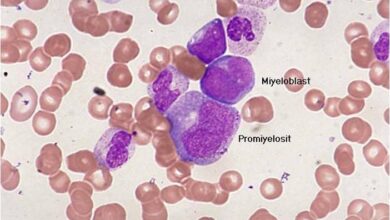
Acute Myeloid Leukemia (AML): Symptoms, Diagnosis, and Treatment Advances
Acute myeloid leukemia, commonly called AML, is a fast-moving cancer affecting the blood and bone marrow. This cancer disrupts the…
Read More » -
Editor's Choice
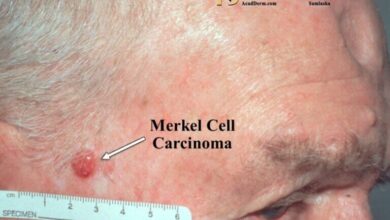
Merkel Cell Carcinoma: The Rare and Aggressive Skin Cancer You Should Know
Merkel cell carcinoma, abbreviated as MCC, is one of the rarest yet most aggressive forms of skin cancer. It develops…
Read More » -
Editor's Choice
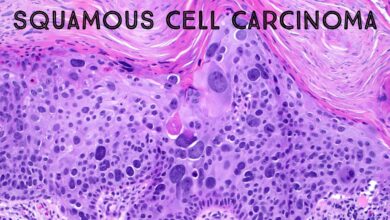
Squamous Cell Carcinoma of the Skin: When a Wound Won’t Heal
Squamous cell carcinoma, commonly called SCC, ranks as the second most common skin cancer worldwide. It develops from squamous cells,…
Read More » -
Editor's Choice
Basal Cell Carcinoma: The Most Common Cancer Nobody Talks About
Basal cell carcinoma, commonly called BCC, holds the distinction of being the world’s most frequently diagnosed cancer. Despite this remarkable…
Read More » -
Editor's Choice
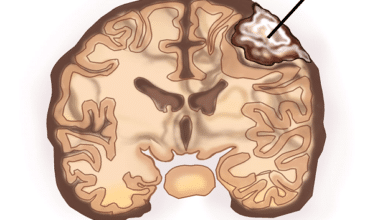
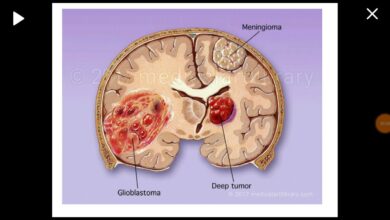
Meningioma: The Brain Tumor That Is Often Found by Accident
Meningioma is a tumor that develops from the meninges, the protective membranes surrounding the brain and spinal cord. It ranks…
Read More » -
Editor's Choice
Glioblastoma Multiforme: What We Know About the Most Aggressive Brain Cancer
Glioblastoma multiforme, commonly abbreviated as GBM, represents the most aggressive primary brain tumor known. Doctors classify it as a grade…
Read More » -
Editor's Choice
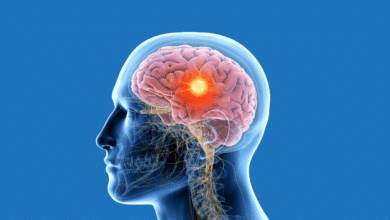
Brain Tumors: Types, Grading, and What a Diagnosis Actually Means
A brain tumor diagnosis can feel immediately overwhelming and deeply frightening. However, this term actually encompasses a remarkably broad range…
Read More » -
Editor's Choice
Thyroid Cancer: Why It’s One of the Most Survivable Cancers (and What to Know)
Thyroid cancer develops within the thyroid gland, a small butterfly-shaped structure in the neck. This gland produces hormones regulating metabolism,…
Read More » -
Editor's Choice
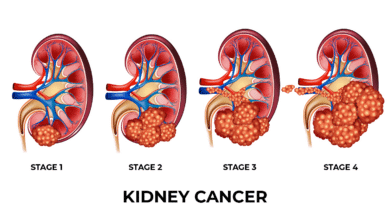
Kidney Cancer (Renal Cell Carcinoma): Symptoms, Types, and Treatment Options
Kidney cancer develops when cells within the kidney begin growing abnormally and uncontrollably. Your kidneys filter waste products from blood…
Read More » -
Editor's Choice
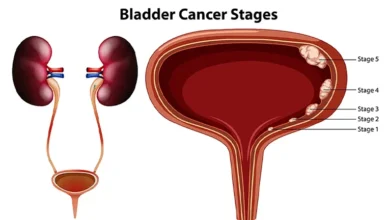
Bladder Cancer: Early Signs, Risk Factors, and What Smoking Has to Do With It
Bladder cancer develops when cells lining the inside of the bladder start growing abnormally. The bladder, a hollow organ in…
Read More » -
Editor's Choice
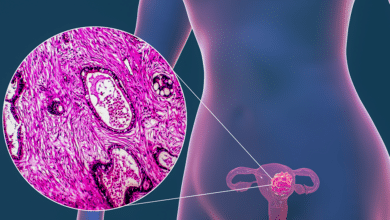
Uterine (Endometrial) Cancer: Risk Factors, Symptoms, and Early Detection
Uterine cancer, also called endometrial cancer, develops within the lining of the uterus. This lining, called the endometrium, sheds monthly…
Read More » -
Editor's Choice
Ovarian Cancer: The ‘Silent Killer’ — Symptoms That Are Often Dismissed
Ovarian cancer has long carried a troubling reputation for developing quietly and without obvious warning. The symptoms it produces often…
Read More » -
Editor's Choice
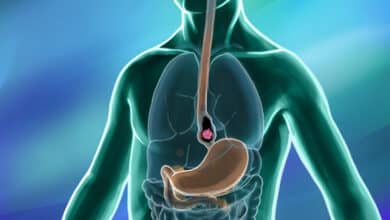
Esophageal Cancer: Why Barrett’s Esophagus Is a Risk Factor You Shouldn’t Ignore
Esophageal cancer develops within the esophagus, the muscular tube connecting your throat to your stomach. This tube plays an essential…
Read More » -
Editor's Choice
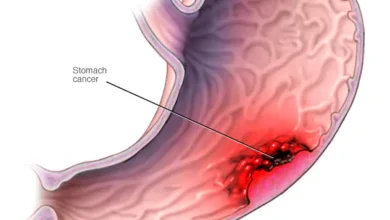
Stomach (Gastric) Cancer: The Silent Disease and Its Early Warning Signs
Stomach cancer, medically called gastric cancer, rarely announces itself during its earliest stages. Most people experiencing early symptoms attribute them…
Read More » -
Editor's Choice
Liver Cancer (Hepatocellular Carcinoma): Causes, Risk Factors, and Survival Rates
Hepatocellular carcinoma represents the most common type of primary liver cancer. This cancer begins directly within liver cells, called hepatocytes,…
Read More »