

Niva Bupa CEO Emphasizes Increased Investment for Retail Health Growth

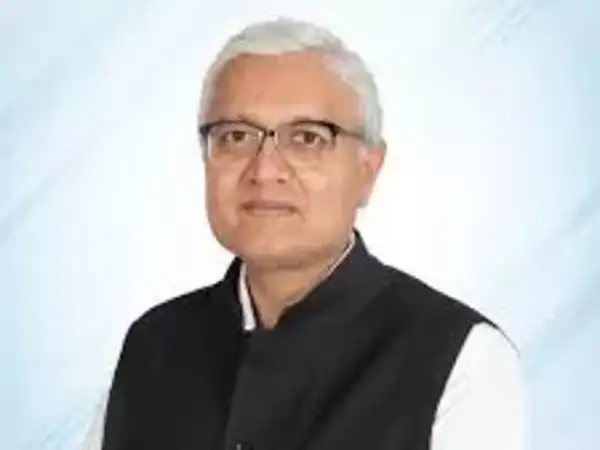
The CEO of Niva Bupa Health Insurance, Krishnan Ramachandran, has highlighted the challenges facing retail health insurance in India, attributing the low penetration rates to the cross-subsidization of loss-making corporate group policies. He emphasized the need for increased investment in retail health insurance to enhance its market share and improve customer acquisition. Ramachandran noted that while high acquisition costs are often cited as a barrier, they are essential for expanding coverage in a market that remains significantly underserved. He also pointed to recent growth in health insurance sales following a reduction in GST rates as a positive development for the industry.
Challenges in Retail Health Insurance
Ramachandran expressed concerns about the current state of retail health insurance in India, stating that the cross-subsidization of corporate group policies is a significant issue. He explained that these group policies often operate at high loss ratios, which negatively impacts the overall health insurance market. According to him, the focus should shift towards retail health insurance, which has the potential to provide better coverage for individuals. He pointed out that sustained investment in distribution and customer acquisition is crucial for increasing the number of insured lives in a market that is still largely underpenetrated.
He further elaborated that customers who remain with an insurer beyond the initial years tend to receive substantial value, with claims payouts exceeding Rs 80 for every Rs 100 of premium collected after the early policy years. This highlights the importance of long-term customer retention and the need for insurers to invest in building relationships with their clients.
Impact of GST on Health Insurance
The recent reduction in GST rates has had a noticeable impact on Niva Bupa’s health insurance sales. Ramachandran reported a significant acceleration in sales following the tax cut, with a 29% volume growth and a 15% increase in value during the third quarter. This growth trend continued into January, indicating a positive outlook for the company. Lower medicine costs, resulting from GST-linked price reductions, have also helped health insurers mitigate the impact of taxes on input services.
However, Ramachandran noted that the burden of GST on commissions is fully passed on to agents, which poses additional challenges for the industry. He emphasized the need for insurers to absorb the costs associated with GST on other services while benefiting from savings on claims due to reduced medicine prices. This dual impact of GST on the health insurance sector underscores the complexities insurers face in navigating regulatory changes.
Long-Term Solutions for Health Insurance Coverage
Ramachandran argued that the long-term solution to improving health insurance penetration lies in expanding retail health insurance coverage. He described health insurance as an essential good, highlighting its role as a significant factor contributing to poverty in India. He advocated for broader mandates for individuals who can afford coverage, along with subsidies for those who cannot. This approach aims to create a more inclusive health insurance landscape that addresses the needs of all segments of the population.
He also pointed out that the high claims ratio associated with group insurance policies places an additional burden on retail policyholders. Public data indicates that the loss ratio for corporate covers exceeds 100%, meaning that retail policyholders and taxpayers are effectively subsidizing corporate insurance. This situation presents a significant policy issue that needs to be addressed to ensure a fairer distribution of costs within the health insurance system.
Future Outlook for Niva Bupa
Looking ahead, Ramachandran expressed optimism about Niva Bupa’s future, expecting margin improvements supported by disciplined underwriting and claims management. He acknowledged the importance of continued investment in technology and AI across the value chain to enhance operational efficiency. However, he also recognized the challenge of balancing immediate costs with the long-term goal of increasing insurance penetration in a market where millions remain uninsured.
Niva Bupa has invested approximately Rs 2,800 crore to build scale in a retail-led market, emphasizing the need for physical and advisory reach to effectively serve customers. Ramachandran drew parallels with banks that open branches to acquire and support clients, underscoring the necessity of a robust distribution network in the health insurance sector. As the industry evolves, the focus will remain on improving coverage and accessibility for all individuals in India.
Observer Voice is the one stop site for National, International news, Sports, Editor’s Choice, Art/culture contents, Quotes and much more. We also cover historical contents. Historical contents includes World History, Indian History, and what happened today. The website also covers Entertainment across the India and World.
Follow Us on Twitter, Instagram, Facebook, & LinkedIn

