

Middle East Tensions Impact Pakistan’s Economy: Rising Fuel Costs and Increasing Household Expenses

The ongoing crisis in the Middle East is reverberating across global markets, with significant implications for Pakistan’s already fragile economy. As tensions escalate between Iran, Israel, and the United States, the country faces a potential economic downturn marked by rising inflation, energy insecurity, and social instability. With the cost of essential goods and services climbing, the situation is becoming increasingly dire for everyday citizens.
The Energy Shock
International oil prices have surged dramatically due to Iran’s tightening control over the strategically vital Strait of Hormuz, causing ripples in global fuel markets. This corridor is crucial for the transportation of a significant portion of the world’s oil supply, and even minor disruptions can lead to substantial supply chain issues. For Pakistan, the effects have been immediate and severe. The cost of liquefied natural gas (LNG), essential for power generation and industrial use, has skyrocketed. Shipments that previously cost around $25 million are now exceeding $100 million due to supply shortages and market uncertainty. Qatar, a key LNG supplier to Pakistan, has declared force majeure following production disruptions, further complicating the situation. Other global suppliers, including Shell, have also suspended contracts linked to Qatari supplies, exacerbating the crisis.
Rising Fuel Costs and Inflation Risks
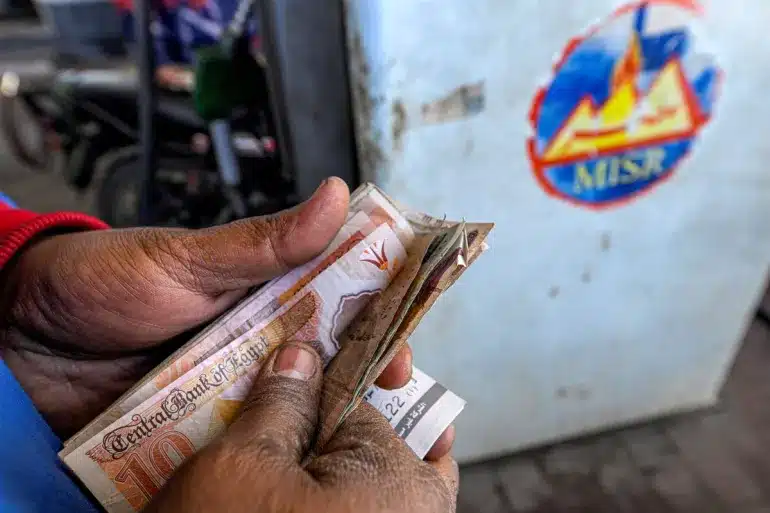
The global energy crisis is spilling over into household expenses, prompting the Pakistani government to approve a significant increase in fuel levies. Earlier this week, the government raised the levy on high-octane fuel by PKR 200 per litre, bringing it to PKR 300. This follows a previous hike in March, where petrol and diesel prices were increased by PKR 55 per litre. Currently, petrol costs PKR 321.17 per litre, while diesel is priced at PKR 335.86. Given that fuel is integral to transportation, logistics, and manufacturing, these increases are expected to drive inflation even higher. Experts warn that Pakistan’s heavy reliance on regional trade and oil imports makes it particularly vulnerable to prolonged disruptions. If negotiations between Iran and the United States fail, the economic instability could worsen significantly.
Strain on the Aviation Sector
The aviation industry is also feeling the impact of rising fuel costs. Prices for Jet A-1 fuel have surged by approximately PKR 154 per litre, while aviation gasoline has increased by nearly PKR 80 per litre. Airlines are struggling to cope with these escalating costs and have passed much of the burden onto passengers, resulting in significant fare increases during the Eid ul-Fitr holiday. Domestic airfares have risen by 15% to 20%, with some passengers facing hikes of up to 30%. Ticket prices for domestic routes have jumped by PKR 10,000 to PKR 15,000, while international fares have surged between PKR 30,000 and PKR 150,000, depending on the route and demand. If the current situation persists, further increases in airfares may be unavoidable.
Pressure on Government Finances and Reserves
The ongoing crisis is revealing deeper economic vulnerabilities, including limited reserves and high government spending. Experts emphasize the need for stricter fiscal management, warning that prolonged conflict could lead to severe consequences for Pakistan’s economy. Prime Minister Shehbaz Sharif has convened meetings to assess fuel reserves and supply, assuring that there are currently adequate stocks of petroleum products. However, officials caution that the unstable regional situation could disrupt supplies, prompting the government to consider austerity measures. The crisis has led to the implementation of strict fuel-saving measures, including a 50% reduction in fuel allowances for official vehicles and a four-day work week for public sector employees, except those in essential services. Citizens are being urged to conserve fuel to mitigate the risk of supply disruptions in the coming days.
Observer Voice is the one stop site for National, International news, Sports, Editor’s Choice, Art/culture contents, Quotes and much more. We also cover historical contents. Historical contents includes World History, Indian History, and what happened today. The website also covers Entertainment across the India and World.
Follow Us on Twitter, Instagram, Facebook, & LinkedIn

